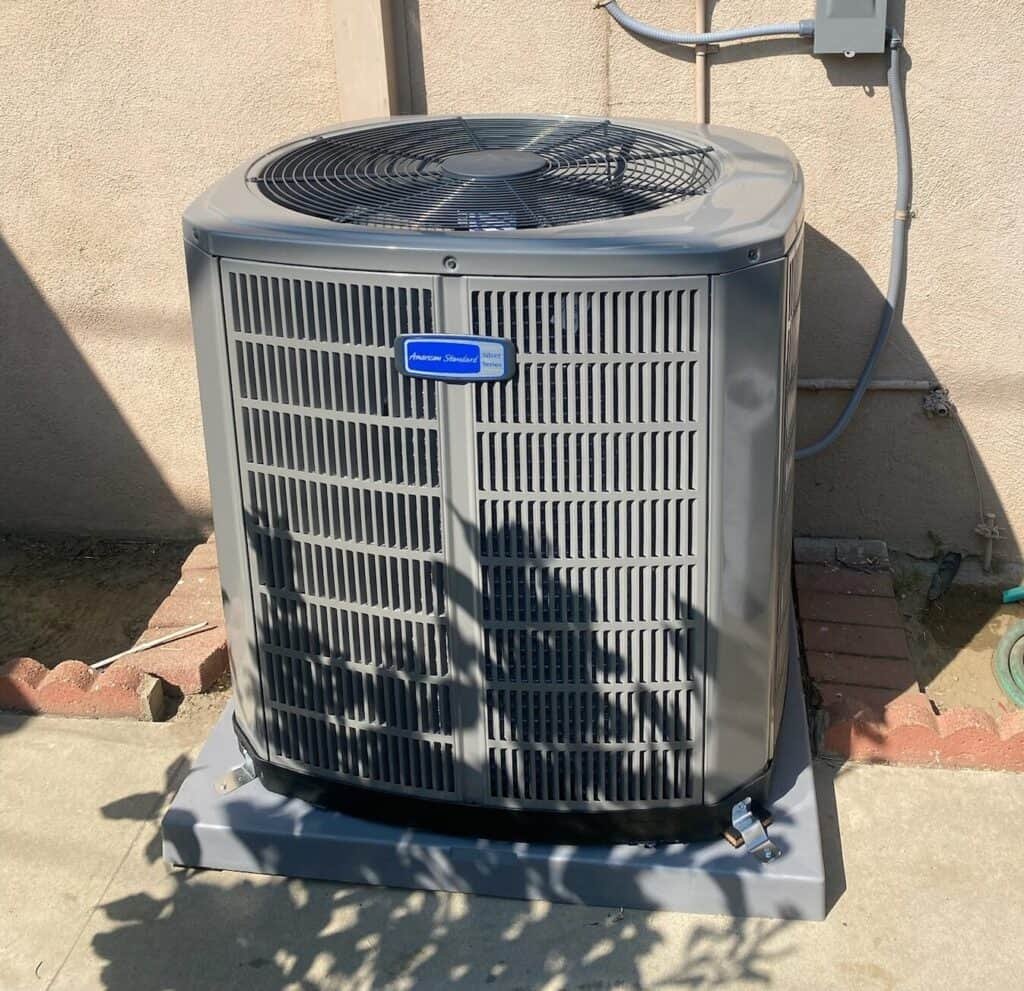
Key Takeaways
- Heat pumps moves heat rather than generate it, so they cut energy use.
- One system can handle both heating and cooling of your home.
- Heat pumps work well in Los Angeles and Ventura because of their mild winters.
- Contemporary units remain efficient in cold weather and feature automatic defrost cycles.
- The most popular type of heating system for Southern California homes is the air-source heat pump.
- After a switch to heat pumps, many homeowners see their monthly bills decrease.
- With proper installation and maintenance, many systems last 15 to 20 years
- Incentives and rebates can lower installation costs.
- A heat pump can replace both an AC and a furnace.
A heat pump transfers heat rather than generating it. In this manner, one system can warm your home in the winter and cool your home in the summer. It’s an electrical system powering a mechanism that uses a refrigerant to move heat around and maintain temperatures by controlling how heat is transferred. This method is what makes heat pumps a cost-effective and practical HVAC option for Los Angeles and Ventura County homes.
A heat pump extracts heat from outdoor air and brings it indoors in winter. In summer, it pulls heat from the inside of your home and expels it outside. This is what makes a heat pump a complete comfort system. You get rid of your AC and furnace and replace them with that one do-it-all machine.
Heat pumps are popular among Southern California homeowners because the area has historically long cooling seasons and relatively mild winters. Heat pump technology is well-suited to these conditions. The system alleviates the blast-on, blast-off sensation of older equipment and provides consistent, quiet operation at consistent temperatures.
Heat pumps also save energy. A furnace uses fuel to produce heat. A heat pump moves heat, which requires much less energy than other heating methods. Homeowners turn to heat pumps in the hope of saving money, feeling more comfortable, and simplifying their home’s heating and cooling system.
How Heat Pumps Work Step-By-Step (Explained by Heat Pump Installer)
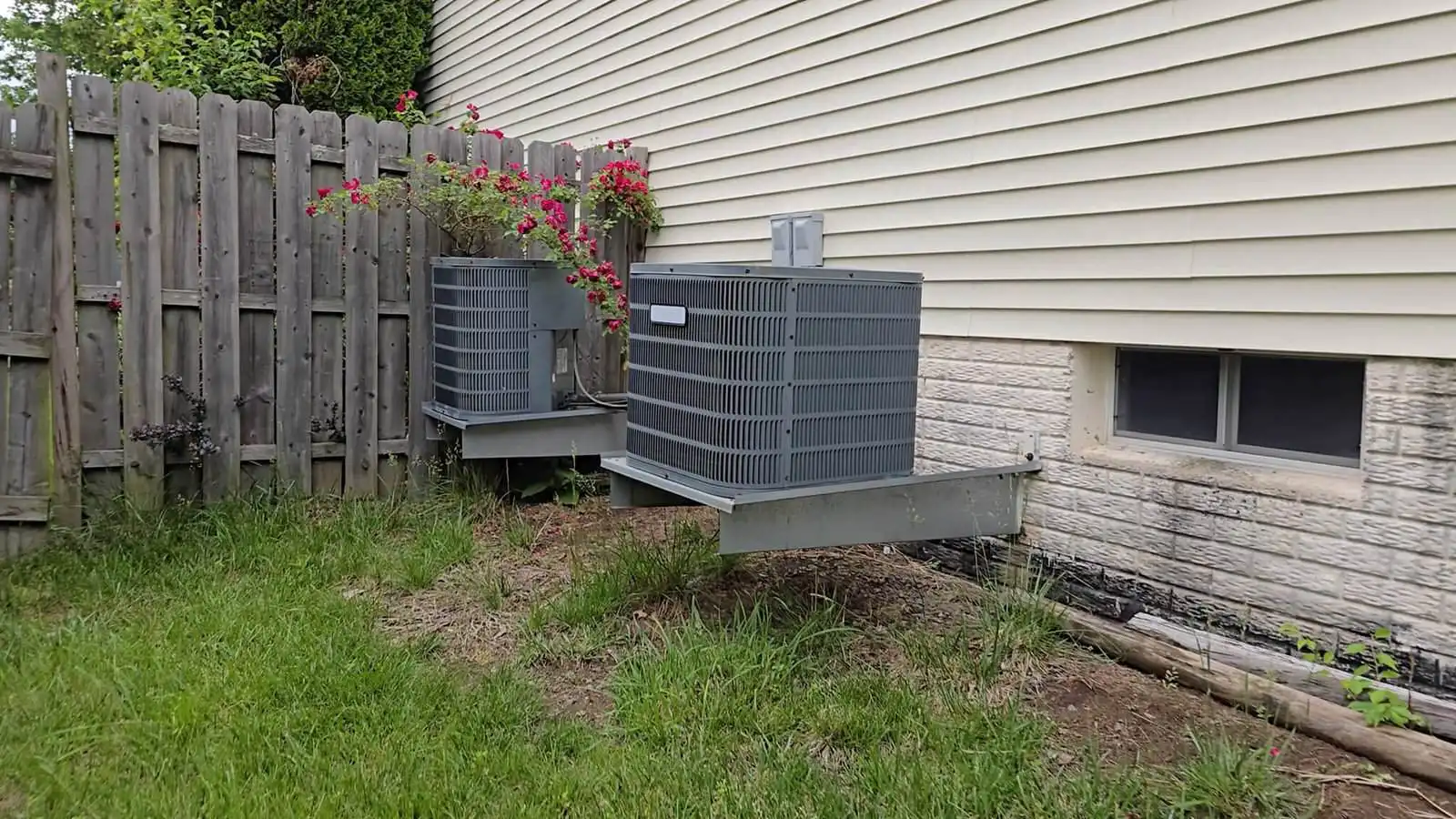
A heat pump consists of an outdoor unit and an indoor unit. These transfer refrigerant through copper lines. In one mode, the refrigerant absorbs heat; in another, it releases heat. This method of heat transfer allows the system to warm things up or cool them down to your comfort level.
Heating Mode Explained Simply
In heating mode, the outdoor unit extracts heat from the air. The air may feel cold to the touch, but it contains a lot of heat energy. The refrigerant absorbs that heat in the outdoor coil. The refrigerant temperature is raised in the compressor. The refrigerant goes to the indoor coil. The indoor coil releases heat, and warm air is blown throughout your home.
Cooling Mode Explained Simply
In cooling, the cycle is reversed. The inside coil is what absorbs heat. Your house’s warm air crosses over the indoor coil. The refrigerant collects heat and carries it outside. The heat is then dumped into the outdoor air at the outdoor coil.
Why Heat Pumps Use Less Energy
Heat pumps rely on electricity to power the compressor and fans. They do not produce heat through the use of electricity. It takes much less energy to move heat than to create it. This is what helps heat pumps outperform many outdated systems.
Variable-speed compressors are also used in heat pumps. These are demand-controlled compressors. This enables the system to avoid significant energy peaks and maintain continued comfort.
The Role of the Reversing Valve
It has a reversing valve that changes the direction of refrigerant flow. This component allows the system to switch from heating to cooling. It is the most vital part of any heat pump.
A heat pump becomes easy to understand once you see it as a system that relocates heat. It’s an easy and effective process, particularly in moderate climates.
“One of the properties we had listed for sale had a heater issue and we needed it repaired ASAP. Reliable Heating and Air came out same day, quoted, found needed parts and fixed the heater same day. Their technicians really know what they are doing and pricing was reasonable too. I would definitely recommend them to all my clients.”
Ronen (Elevate Luxury Living, ⭐️⭐️⭐️⭐️⭐️ Google Review
The Refrigerant Loop
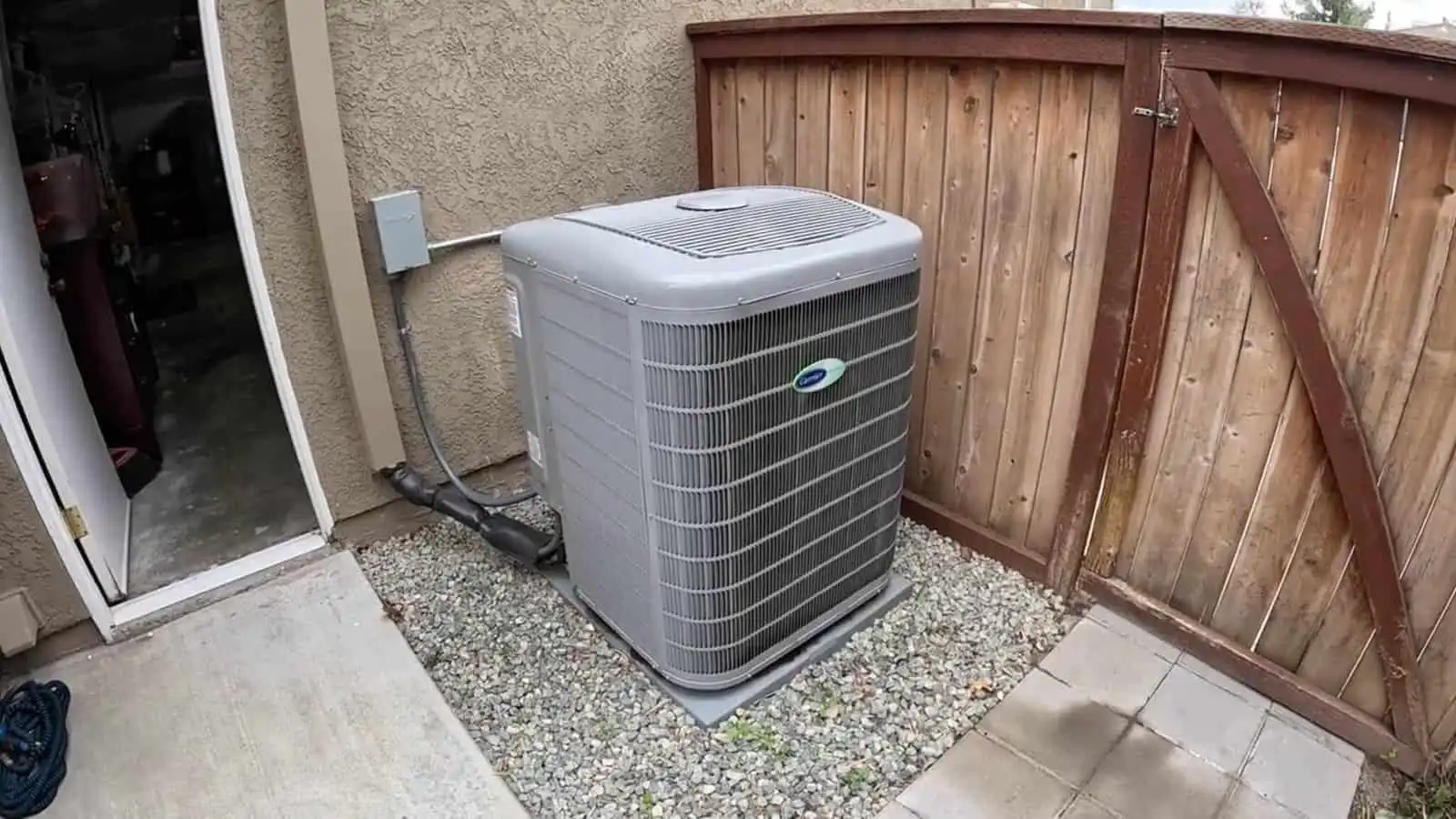
The refrigerant loop is the core of the heat pump. The loop itself is a closed circuit that circulates refrigerant to its destination through the indoor and outdoor units. Heat is absorbed and released by the refrigerant as pressure and temperature change.
The Compressor’s Function
The refrigerant then has its pressure and temperature boosted/increased by the compressor. When we put the refrigerant under high pressure, it’s much more efficient at carrying heat. The compressor powers the entire cycle and regulates the amount of heat that flows through the system.
Indoor and Outdoor Coils
The system consists of two coils used for different purposes, depending on the mode.
- In heat mode, the outdoor coil transfers heat and the indoor coil releases it.
- In cooling mode, the indoor coil extracts heat, while the outdoor coil releases it.
Fans are used to blow air over each coil. This allows the refrigerant to absorb or release heat easily.
The Expansion Valve’s Job
An expansion valve reduces the refrigerant’s pressure. When pressure is reduced, the refrigerant cools and can remove heat effectively. This prepares the refrigerant for the next stage in the cycle.
Refrigerant Instead of Gas
Heat pumps run on electricity. They burn no fuel of any kind. They use refrigerant to move heat. New refrigerants meet requirements and provide better performance.
This basic loop keeps things humming along nicely. It also negates many of the safety issues associated with the combustion of gas.
Why This Matters for Los Angeles & Ventura County
The coastal climate helps heat pumps run more efficiently. The refrigerant readily absorbs heat from the outside air. This adds up to greater comfort and savings on your heating bill year after year.
“Great experience! The team was knowledgeable, efficient, and respectful of my home. They even followed up after the installation to make sure everything was working properly. Truly reliable, just like their name.”
Adem Atbas, ⭐️⭐️⭐️⭐️⭐️ Google Review
Air Source vs Ground Source vs Geothermal
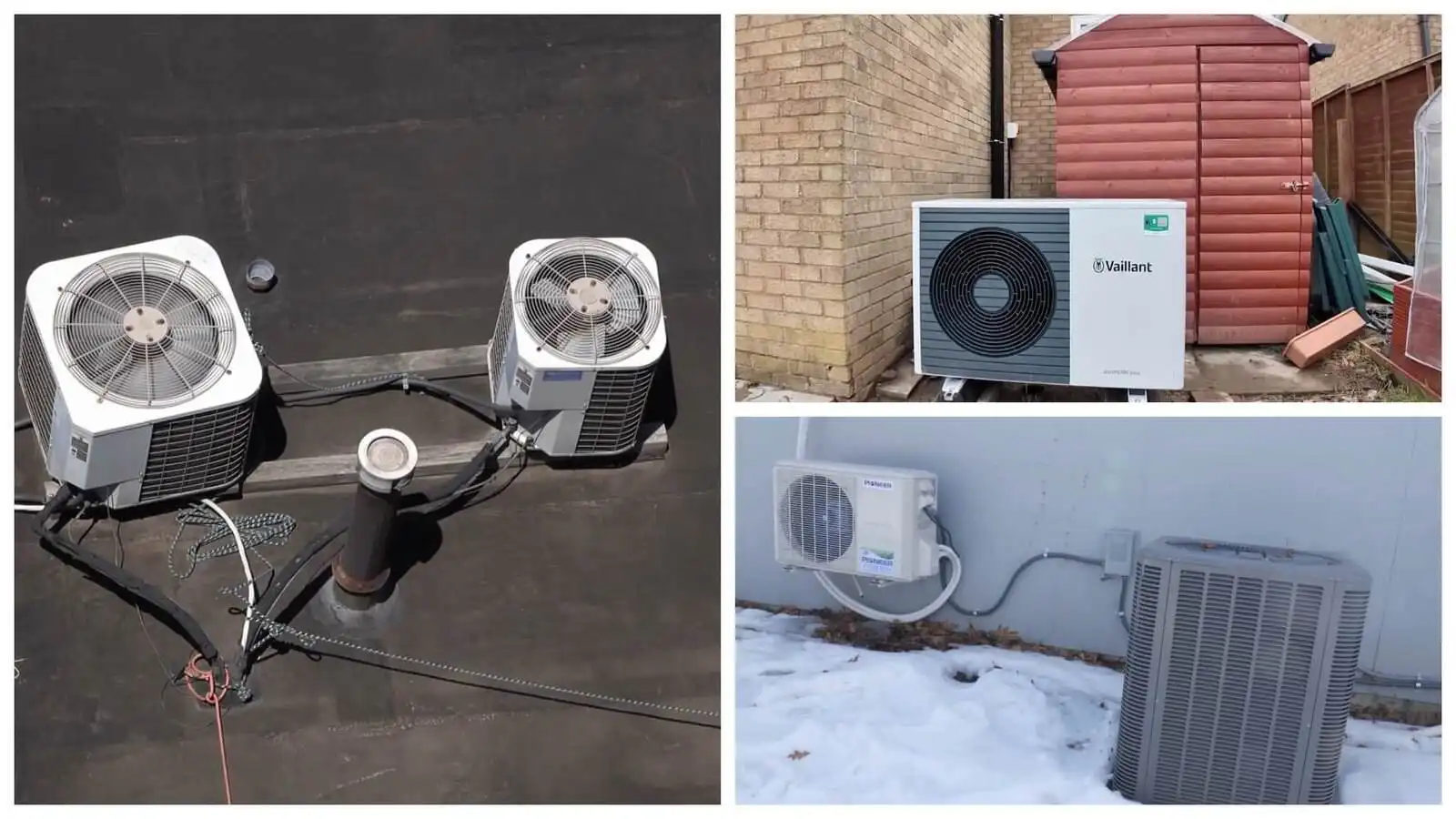
There are generally three types of heat pumps. Each type extracts heat from a different source.
Air Source Heat Pumps
The most prevalent in Southern California is the air-source heat pump. They extract heat from the outdoor air. They are easy to install, cheaper than ground- or geothermal-based systems and perform efficiently in temperate climates. The majority of homes in Los Angeles and Ventura Counties are opting for air-source models.
Ground Source Heat Pumps
Ground-source systems transfer heat through loops below ground. The Earth has a constant temperature year-round. This makes the system efficient. But installation involves digging or drilling. This adds expense and restricts use in neighborhoods with tightly packed development.
Geothermal Heat Pumps
Ground loops are even used in geothermal systems. The loops could be horizontal or vertical. Geothermal will be around forever and has excellent efficiency and lifespan but is expensive to install. Some homes don’t have the land or are unwilling to accommodate drilling.
Climate Suitability
Air-source units are ideal for Southern California, where winters remain mild. Ground and geothermal systems work best in areas with significant temperature swings or where longer-term savings justify the installation costs.
“Great value for the money! Their pricing is fair, and the quality of work is outstanding. Definitely my go-to from now on.”
Yulia Dudenko, ⭐️⭐️⭐️⭐️⭐️ Google Review
Heat Pumps in Winter & Cold Weather
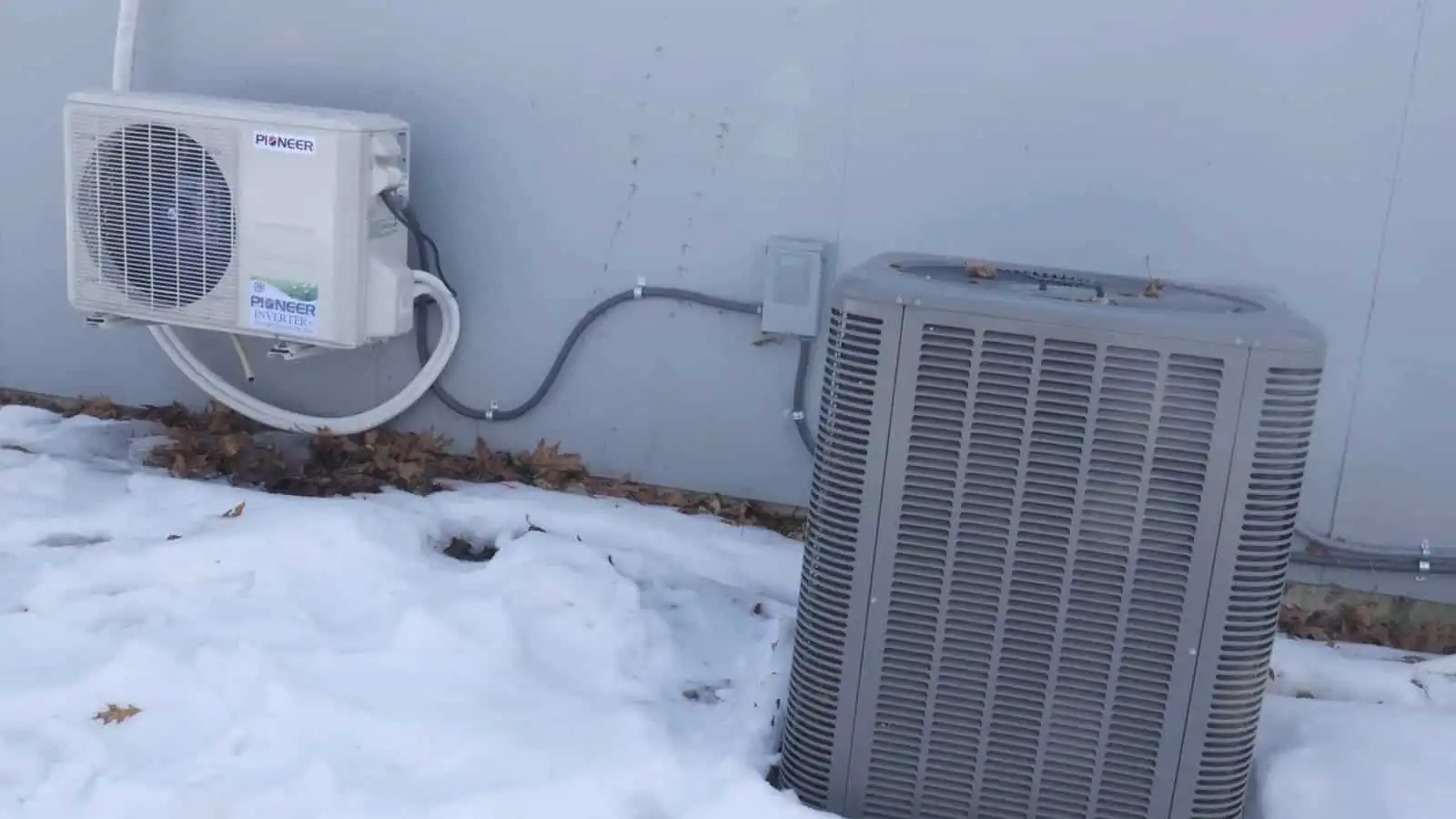
Heat pumps function in winter by drawing heat from outdoor air. Heat energy is present even in cold air. Refrigerant is what can absorb heat and bring it inside.
Temperature Limits and Performance
New heat pumps can now operate at even lower temperatures than before & work effectively well below freezing. In Los Angeles and Ventura Counties, outdoor temperatures remain within the ideal range for heat pumps. Winter conditions rarely affect performance here.
Frost and the Defrost Cycle
Ice can accumulate on the outside coil. When it does, the system will go into what is called a defrost mode. The heat pump temporarily switches flow to melt frost. This protects the coil and maintains heat transfer.
The defrost cycle is normal. It is designed to prevent stress on your system and to ensure continuous airflow.
Misconceptions About Winter Performance
The idea that heat pumps perform poorly in cold weather is a common misconception. That’s for old units. Newer models of heat pumps have better compressors, refrigerants, and defrost mechanisms. A bit more expensive, but these modifications ensure a better job in winter.
Southern California Advantage
In mild winters, Los Angeles and Ventura County homes experience consistent heat pump functioning with little reliance on backup systems.
FAQ: What temperature is too cold for heat pumps?
Modern heat pumps continue working well below freezing. The older idea that heat pumps “stop working” at 30-40°F is outdated and doesn’t apply in Southern California.
“This HVAC company recently helped one of my clients and they did a solid job. They showed up fast, got the work done properly, and made the process simple. I appreciate how they handled it and my client was satisfied with the results. I recommend them for anyone needing HVAC service.”
K, ⭐️⭐️⭐️⭐️⭐️ Google Review
Efficiency, Energy Use & Running Costs
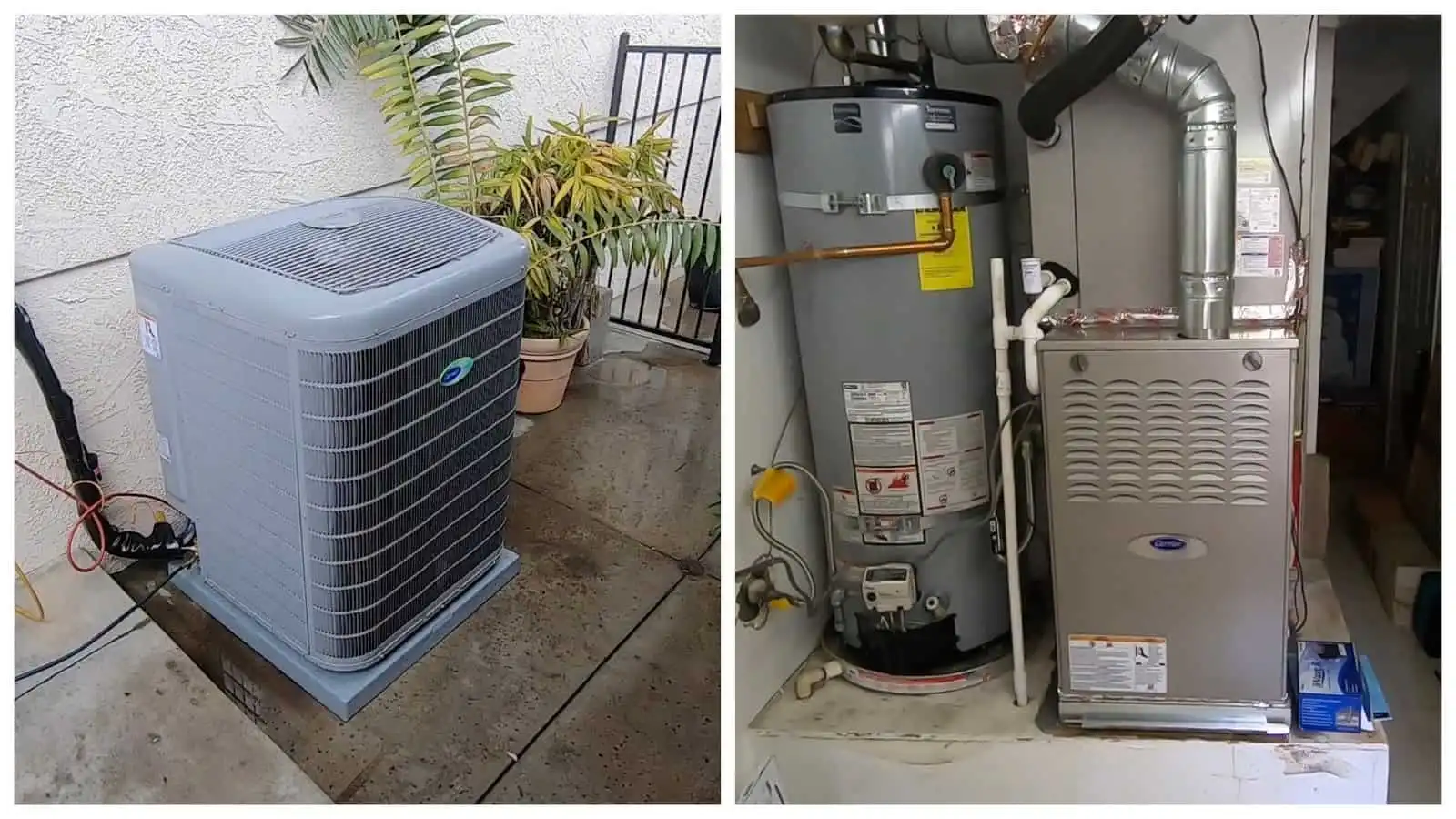
Heat pumps are also known for their efficiency, since they transfer heat rather than generate it. This is a fundamental distinction that saves energy and lowers operating costs. A heat pump can mean a lower monthly bill for many homeowners in Los Angeles and Ventura Counties who switch to one.
How Efficiency Ratings Work
Several measures of efficiency are used for heat pumps. These are SEER, HSPF, and COP. Each rating gauges how effectively the system moves heat under specific conditions.
- SEER rates cooling efficiency.
- HSPF rates heating efficiency.
- COP compares heat output to energy input.
High ratings show strong performance. Contemporary heat pumps can achieve high figures across all of the above categories. These ratings enable homeowners to compare equipment and select systems that fit with their comfort and energy-savings goals.
Real-World Energy Use in Southern California
Homeowners often ask how much electricity heat pumps use or whether they’re expensive to run; in Southern California they consume less energy than older AC units because the climate keeps them operating in their ideal efficiency range.
Energy consumption is affected by a variety of factors. This could be due to factors such as home size, the condition of the ductwork and insulation, and the thermostat’s habits. And in Southern California, heat pumps operate at high efficiency. The weather is favorable for heat pump operation since it falls in the sweet spot of ideal temperatures most of the year.
Older air conditioners and furnaces devour energy when they cycle on and off in short bursts. Heat pumps use smoother operation. The output is adjusted to meet the demand. This minimizes wasted energy and prevents large spikes in the demand for electricity.
Heat Pumps vs Air Conditioners
Home cooling with a heat pump consumes less energy than some older air conditioners. This is because heat pumps commonly include at least some variable speed components. These elements adjust performance rather than running at full speed every time you start the system.
Older air conditioners contain single-speed compressors. When they are turned on, these compressors operate at full load. This process raises energy use. A heat pump’s variable-speed system operates differently, avoiding this pattern and delivering even comfort.
Heat Pumps vs Gas Furnaces
Gas furnaces produce heat by burning fuel. A heat pump is a device that moves heat from one place to another. This significant difference contributes to reduced energy use in climates with mild winters. A compressor heat pump heats without burning fuel, which also saves money.
The heat that a furnace produces is not constant. A heat pump supplies constant warm air. This maintains consistent indoor temperatures and relieves the system’s burden.
Why Monthly Bills Often Drop
Lower utility bills are one of the benefits many homeowners notice after switching to heat pumps. This happens because:
- The system uses less energy in cooling mode
- It does not burn fuel for heating
- It replaces two systems with one
- It runs smoothly with fewer power spikes
Monthly bills depend on lifestyle and thermostat settings. But in most homes, replacing old systems saves money.
Factors That Affect Running Costs
Running costs depend on:
- Home insulation
- Air leaks
- Ductwork condition
- System size
- Outdoor temperatures
- Thermostat habits
The most savings are realized in a well-sealed house with good airflow. But even in older homes, heat pump installations often lead to greater efficiency.
Lifespan, Reliability & Servicing
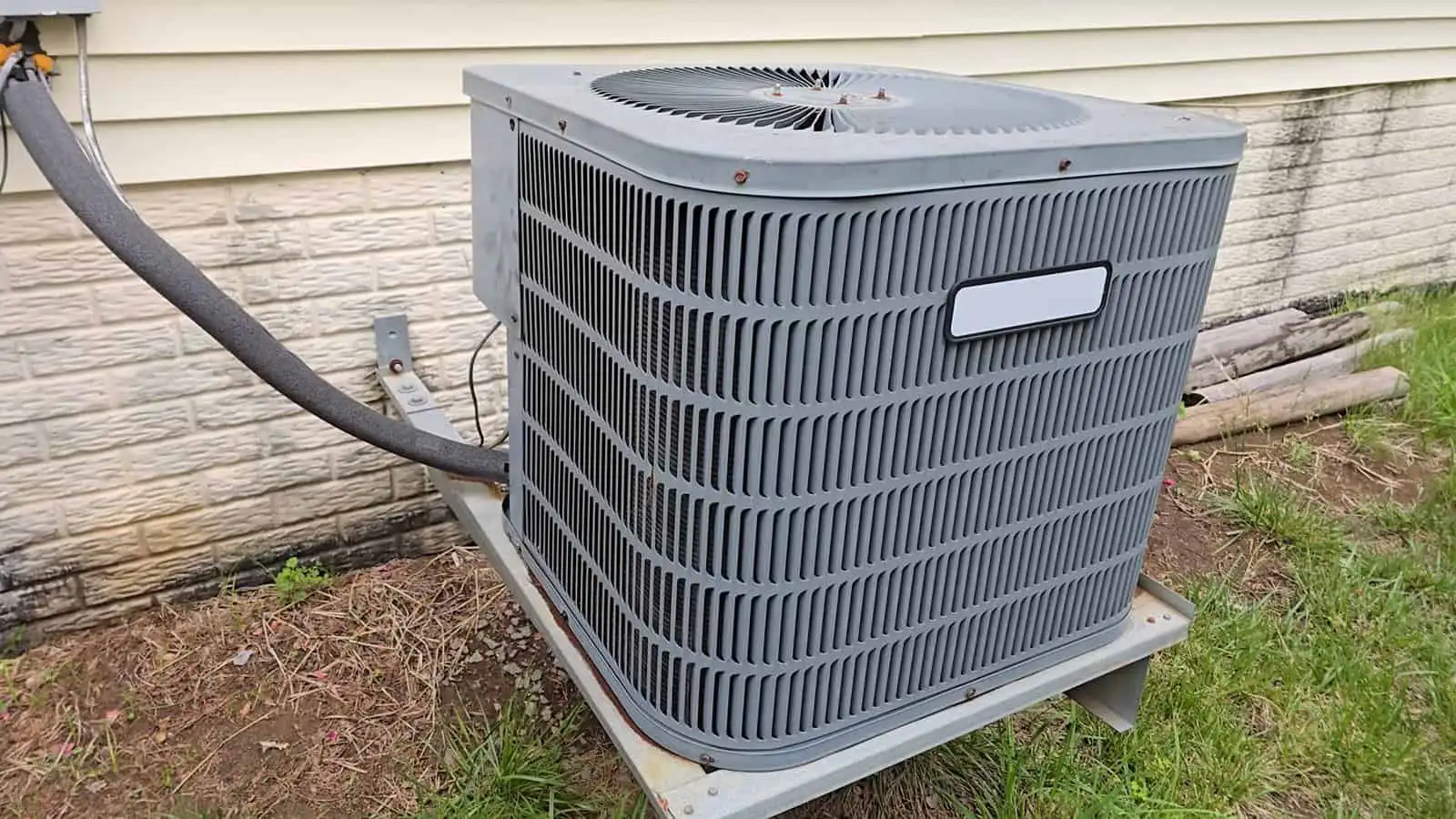
Heat pumps have long lifespans. When correctly installed and serviced periodically, most systems can last 15 to 20 years. These systems are dependable and predictable if properly managed.
Lifespan Expectations
Numerous factors can affect the lifespan of a heat pump. These include:
- Installation quality
- Climate
- Usage levels
- Maintenance frequency
- Brand and components
Los Angeles and Ventura County homes can last longer because the weather does not put as much stress on heating elements.
How Often a Heat Pump Should Be Serviced (The Importance of Annual Servicing)
A regular service schedule is necessary to maintain dependable performance. Service your heat pump system at least once a year. A technician examines refrigerant levels, coils, electrical wiring, filters, and airflow. The system doesn’t break down and continues to work with annual service.
Servicing also extends system life. Problems caught early do not spread through the system. This reduces wear and avoids expensive repairs.
Signs Your Heat Pump Needs Attention
A heat pump may show signs of wear or damage. Common signs include:
- Warm air in cooling mode
- Weak airflow
- Increased noise
- Ice buildup
- Short cycling
- Higher energy bills
- Irregular temperature swings
These are signs that the system needs care. A good technician can determine the issue through testing and observation.
Why Proper Installation Matters
Improper installation is the cause of many heat pump problems. Low refrigerant levels, poor airflow, and mismatched components lead to trouble over the long haul. A properly installed system circumvents this. It becomes more efficient and it lasts longer.
When to Repair vs Replace
Repair makes sense when:
- The system is under 12 years old
- The repair cost is low
- The system runs well otherwise
Replacement makes sense when:
- The system is older than 15 years
- Repairs are frequent
- The system runs well otherwise
- Efficiency has dropped
- Heating or cooling output is weak
A technician can help decide on the best approach.
Reliability in the Southern California Climate
Heat pumps in our climate are smooth operators because they never encounter winter temperatures that are too cold. This eases the system’s load and is safer in the long run. In homes in Los Angeles and Ventura County, there are generally fewer heating issues than you find out east.
Costs: Installation, Monthly Bills & Long-Term Value
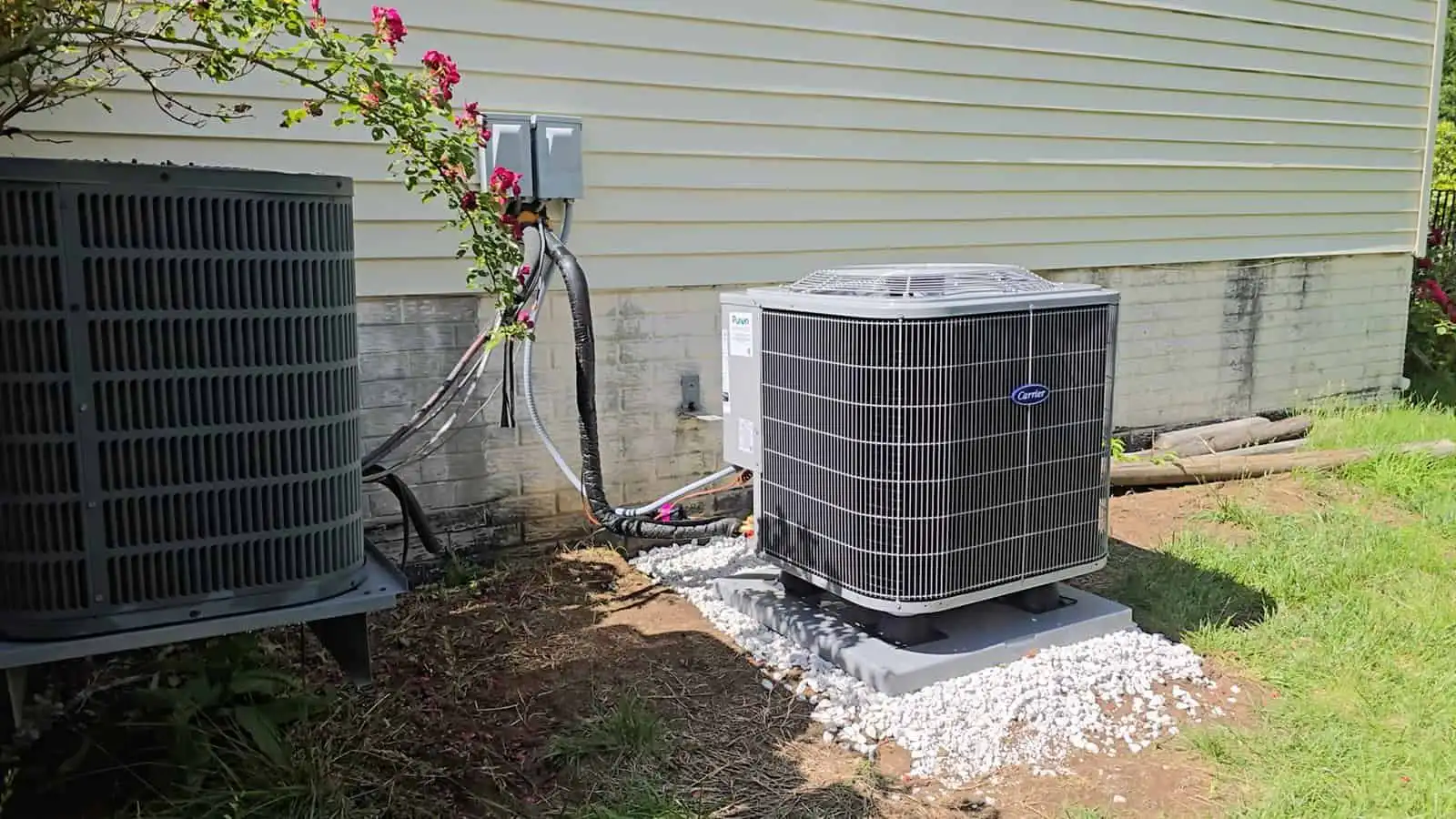
Heat pump costs vary widely. System size, brand, and home needs will determine the cost of installation. Monthly charges are based on actual use. The long-term value lies in reduced energy consumption and fewer system components.
Installation Cost Factors
How much heat pumps cost to install depends on:
- System size
- SEER2 rating
- Ductwork condition
- Efficiency has dropped
- Electrical capacity
- Home layout
- Labor needs
Larger homes need larger systems. Ductwork in older homes might need to be upgraded. Some homes with inadequate electrical panels may need to be upgraded.
Local Price Ranges
Factors affecting the price of heat pump installation in Southern California depend on the type of equipment and the home layout. Air-source heat pumps are less expensive than geothermal or ground-source systems. The air-source models are most commonly chosen for homes, as they naturally complement the climate and budget.
Monthly Operating Costs
Heat pumps lower monthly bills for many people. This occurs because the company replaces both the AC and the furnace with a new system. It similarly doesn’t incur fuel costs and operates more efficiently.
Electricity rates vary. Nevertheless, many Southern California homes consume less energy with a heat pump than with older AC units and furnaces.
Long-Term Value and Savings
Long-term value comes from:
- Lower bills
- Fewer system replacements
- Reduced repair needs
- One system for heating and cooling
- Improved efficiency
And these are growing savings that compound over the years. The system even adds value to your home because buyers prefer efficient, modern HVAC systems.
How Maintenance Affects Costs
Low running costs are maintained through excellent servicing services. An ignored heat pump becomes inefficient. A properly maintained one will run efficiently and won’t break down on you.
When Costs Increase
Costs may rise when:
- Ducts leak air
- Filters clog
- Coils become dirty
- Refrigerant levels fall
- Thermostat settings are extreme
Most issues have simple solutions. Frequent maintenance will keep the system running efficiently.
Incentives, Tax Credits & Rebates
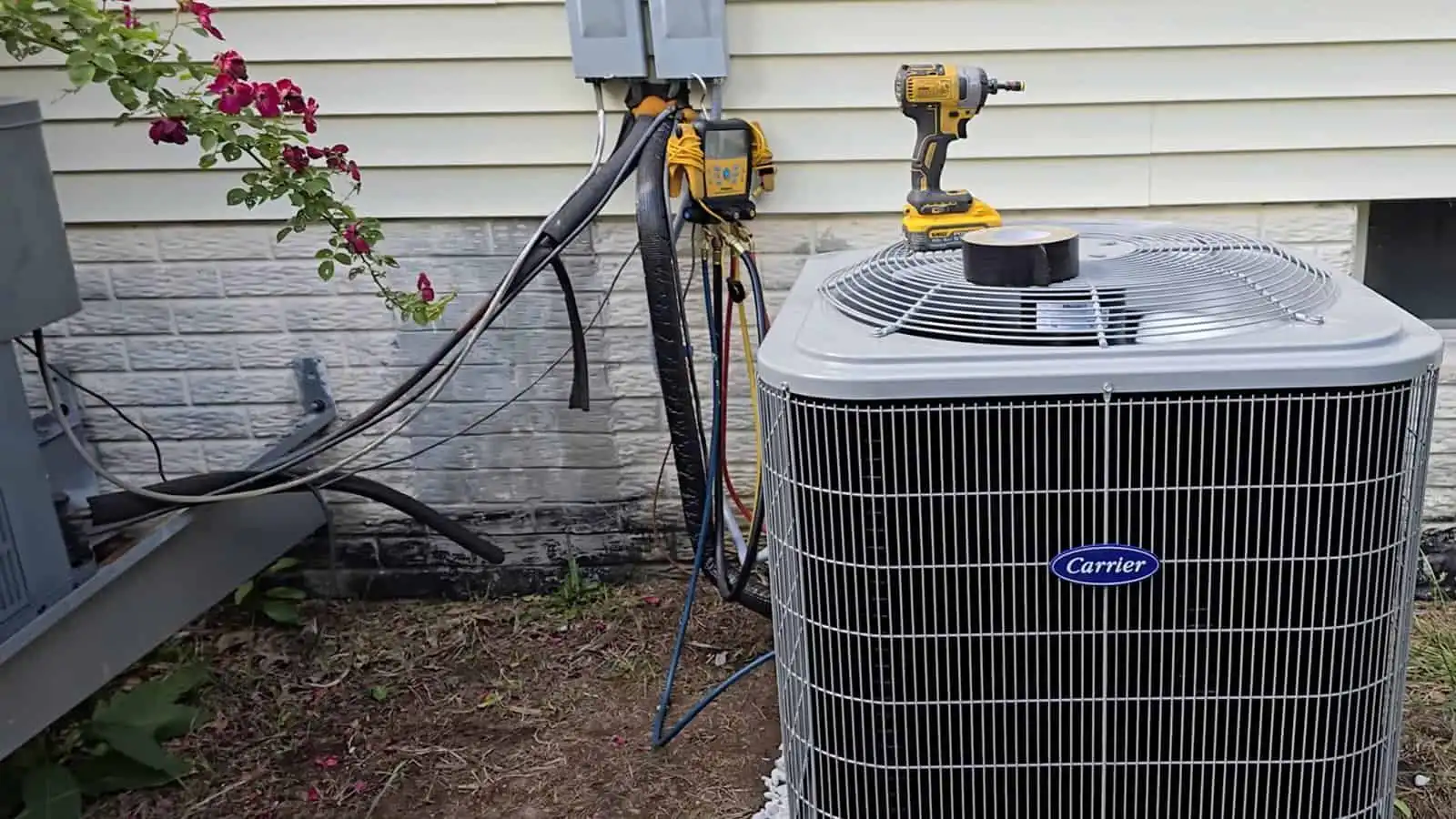
Incentives mitigate the cost of a new heat pump. Federal, state, and local utility programs offer these rebates. They are subject to frequent change, so homeowners should confirm the current guidelines.
Federal Tax Credit
Qualifying heat pump installations are eligible for the federal tax credit. Homeowners are required to install an efficient system. The credit reduces the overall cost of installation.
State-Level Opportunities
California supports energy-efficient upgrades. Heat pumps are subject to rebates and incentive programs. They incentivize such a conversion in homes. In Los Angeles and Ventura County, homeowners most commonly qualify through SoCalGas and SCE programs for high-efficiency electric heat pump upgrades. These programs change often, but many offer rebates for heat pumps that meet specific SEER2/HSPF2 thresholds.
Local Utility Rebates
Some utility companies offer rebates on high-efficiency heat pumps. Programs are specific to individual cities or regions. Homeowners must verify current offerings before trying to qualify.
What Determines Eligibility
Eligibility depends on:
- Efficiency levels
- Equipment type
- Coils become dirty
- Installation quality
- Home location
Consult a professional who can determine if a system meets the requirements of a specific program.
Why Incentives Matter
Incentives lower upfront costs. This is helping homeowners make better long-term decisions. The early savings enable faster payback on the investment and a lower cost of migrating to the efficient technology.
When a Heat Pump Is the Right Choice
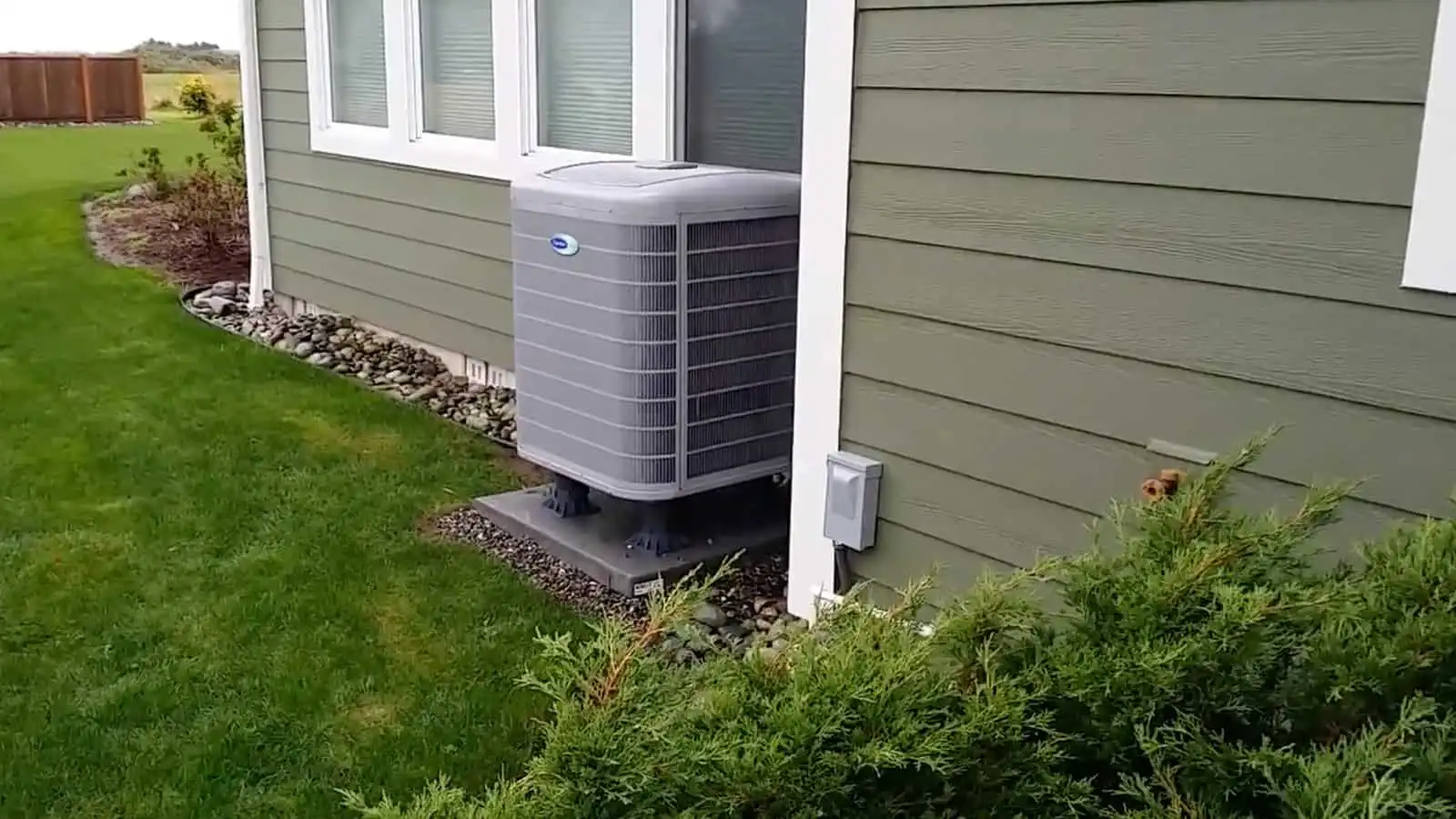
A heat pump works for a lot of homes within Los Angeles and Ventura County. Strong performance, easy operation and quiet sound make the climate system a must-have home accessory. Most homeowners switch because they seek lower energy use, better comfort, and modern features.
A heat pump replaces an air conditioner and a furnace. That way, homeowners have just one system to match their whole-house comfort load. This reduces long-term maintenance and makes upkeep easier.
Homes With High Cooling Demand
Southern California has long summers. Homes in places like Woodland Hills, Thousand Oaks, Agoura Hills and Ventura frequently run their cooling systems for long stretches. A heat pump has the efficiency to handle large cooling loads. The system also delivers consistent temperatures without wild fluctuations.
Homes with multiple indoor heat sources also stand to gain. That includes houses with a lot of windows, high ceilings, or second-story spaces where that significant heat is trapped. A heat pump runs silently and doesn’t stop or sputter back on like the old-school AC units.
Homes With Mild Winter Needs
There are mild winters in Los Angeles and Ventura counties. Heat pumps operate remarkably well in this kind of environment. There is no extreme cold facing the system. The heat pump can thus operate at a (very) high efficiency and deliver steady warmth throughout an entire winter season.
Homes with uneven heating challenges also benefit from even airflow and consistent heat distribution. The system does not rely on high bursts of heat that fade quickly.
Homes With High Energy Bills
AC units and furnaces older than 10 years throw energy out the window. Instead of having an air conditioner and a heater, why not replace both with a heat pump? The new system may reduce total energy consumption. For many households, this generally means lower air-conditioning costs in the summer and lower heating costs in the winter. Electric bills may increase slightly, but overall energy costs fall when the system runs appropriately.
Aging equipment in a house can make upgrading to a heat pump an excellent idea, where the upgrade solves many problems at one time. More homeowners are not buying a new furnace and AC separately but instead installing a modern heat pump system.
Homes That Want Quiet Performance
Heat pumps run quietly, with outdoor units quieter than those of older air conditioners. The indoor unit helps ensure consistent airflow. This system reduces the noise of cycles and the sensation of sudden air blasts.
Homes with a home office and small kids, even light sleepers, enjoy a smooth, silent-running system.
Smart Thermostat Compatibility
Smart thermostats and heat pumps work very well together. This allows homeowners to change settings on their phones and monitor energy usage. Smart controls can make the system better at adjusting to daily routines. They are also more comfortable because the system reacts rapidly to slight temperature variations.
Homes That Want Cleaner Air
Heat pumps enhance indoor air quality and overall home comfort because they don’t burn anything to heat a space. Households with children, animals, or asthmatic residents are more likely to have invested in a heat pump for this reason. The unit operates quietly to avoid distracting your household or disrupting your sleep.
Homes That Want Long-Term Savings
With proper care, heat pumps will last 15 to 20 years. Over time, the system saves money by replacing two systems that use less energy and require fewer major repairs. For homes with skyrocketing energy bills or aging systems, switching is most beneficial.
Who Should Not Choose a Heat Pump?
Although most homes in Southern California are compatible with heat pumps, they may not work for homes with:
- Poor insulation
- Major duct leaks
- Coils become dirty
- Very old electrical panels
- Unique heating needs
These are things that can be repaired, but they likely require extra work on your part. A technician can come to the home and advise on the best option.
Get Started With A Heat Pump Today
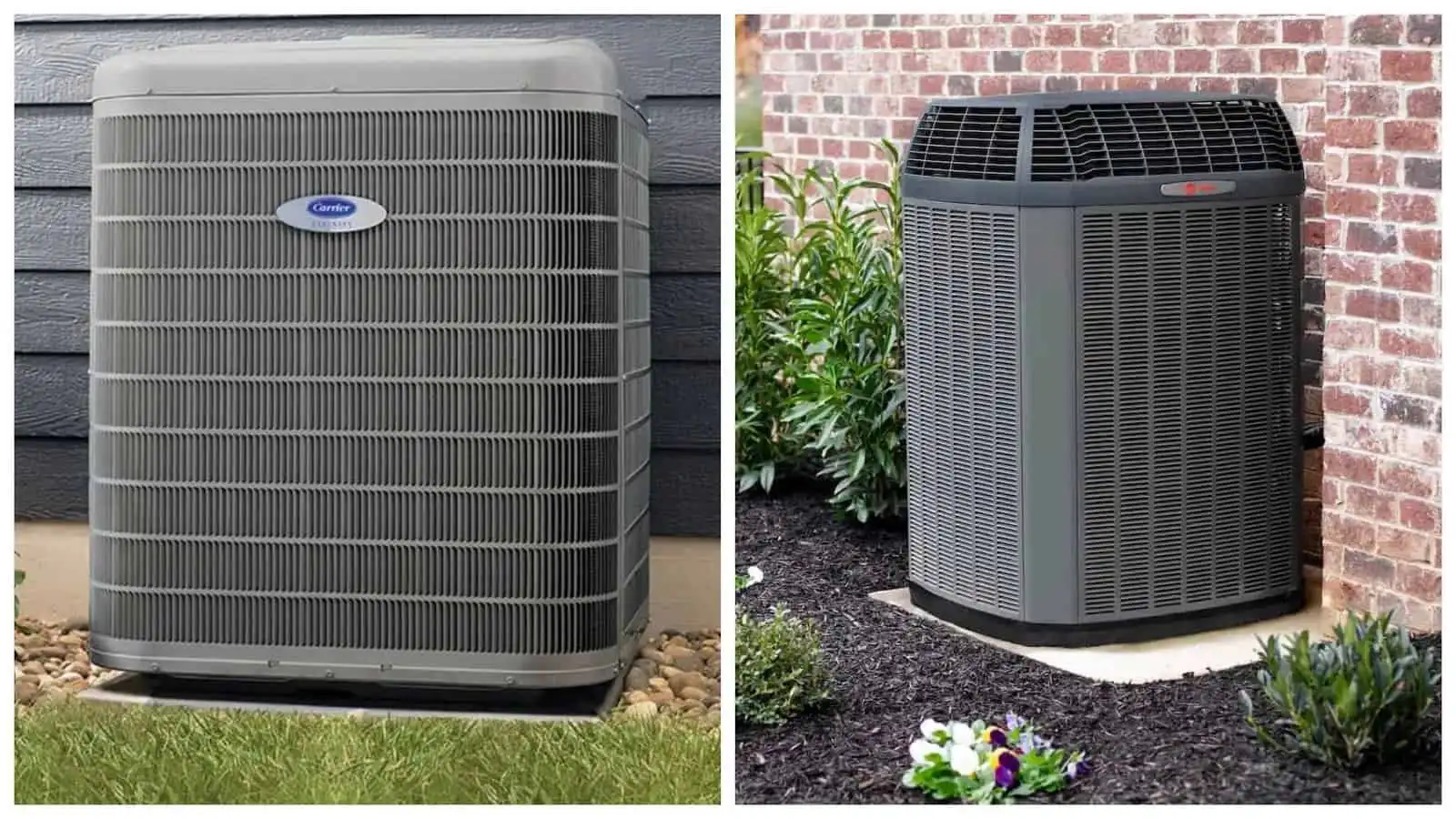
Heat pumps provide excellent heating and cooling capabilities for homes in Los Angeles and Ventura County. They offer predictable comfort, higher efficiency and reduced long-term energy use. They can also replace both a furnace and an air conditioner, making repairs more straightforward and potentially lowering future costs.
Heat pumps match the climate in our region very well. Winters are relatively mild, and summers become hot. A heat pump easily manages both seasons. It conditions your home as needed without wasting energy.
If your existing system is old, loud and not terribly reliable, switching to a heat pump might be the best move. A heat pump can lower long-term costs if your energy bills keep rising. If your preference is modern comfort that operates quietly and offers innovative features, a heat pump fulfils those goals too.
Our staff can guide you through your choices and products when comparing sizes, brands, or efficiency levels. We can also tell you about current incentives and recommend which system is best for your comfort requirements. We concentrate on simple explanations, sincere advice, and lasting value.
Ready to learn what a heat pump can do for your home?
You can schedule a free estimate with Reliable HVAC or request guidance through the contact page to get your free heat pump estimate in LA & Ventura.
This is the simplest way to learn which system fits your home and what you can expect in performance and cost.
Our technicians can walk you through:
- Installation options
- Efficiency levels
- Expected energy savings
- System lifespan
- Operating costs
- Air quality improvements
Reach out today via the contact page to get your free heat pump estimate in LA & Ventura and take the next step toward a more comfortable, efficient home. We are ready to help you enjoy reliable comfort all year.