If you’re trying to figure out what size heat pump you need, you’re probably in one of three situations. A contractor quoted you a system size and you want to verify it before signing. Two contractors gave you different recommendations and you can’t tell which one is right. Or you’re researching before booking estimates so you don’t get sold a system that’s too big or too small.
All three are legitimate reasons to ask the question. The honest answer is that BTU-per-square-foot rules of thumb get you in the ballpark, but they don’t get you to the right answer. The right size depends on your home’s insulation, ceiling height, window orientation, climate zone, and several other factors that a square-footage chart can’t see.
The Short Answer: Heat Pump Size by Square Footage (and Why It’s Only a Starting Point)
A traditional rule of thumb you’ll see online is 25 to 30 BTU per square foot for cooling load. That figure is outdated for modern Southern California homes. With current insulation standards under California’s Title 24 building code, the practical range for moderate climates like Los Angeles and Ventura County is closer to 15 to 20 BTU per square foot. Older, leakier homes push higher; newer, well-insulated homes push lower. One ton of cooling capacity equals 12,000 BTU.
Here’s a starting estimate for common home sizes in Southern California:
| Home Size | Estimated Heat Pump Size | BTU |
| 800–1,000 sq ft | 1.5 ton | 18,000 BTU |
| 1,200–1,500 sq ft | 2 ton | 24,000 BTU |
| 1,600–1,900 sq ft | 2.5 ton | 30,000 BTU |
| 2,000–2,400 sq ft | 3 ton | 36,000 BTU |
| 2,500–3,000 sq ft | 3.5 to 4 ton | 42,000 – 48,000 BTU |
| 3,000–3,500 sq ft | 4 ton | 48,000 BTU |
| 3,500–4,000 sq ft | 4 to 5 ton | 48,000 – 60,000 BTU |
| 4,000+ sq ft | 5+ ton, often multi-zone | 60,000+ BTU |
Use this as a sanity check, not as a final answer. The chart is wrong for many homes for one simple reason: square footage alone ignores the variables that actually drive heating and cooling load. An 1,800 sq ft home in Woodland Hills with a south-facing wall of single-pane windows needs a different size than an 1,800 sq ft home in Calabasas with high-performance glazing and modern insulation. The chart can’t tell the difference.
There’s another reason the chart can mislead you: oversizing is worse than undersizing. An oversized heat pump short-cycles, meaning it turns on and off too quickly without running long enough to dehumidify the air or distribute heat evenly. The result is uneven temperatures, higher energy bills, premature wear on the compressor, and a system that fails earlier than it should. Bigger isn’t better. Right-sized is better.
For anyone planning a 2026 installation, the federal tax credit path is closed.
The Variables That Actually Matter for Sizing
If a contractor sizes your system based only on square footage, they’re guessing.
Climate zone. California has 16 climate zones defined by the California Energy Commission. Los Angeles and Ventura County primarily span Zone 6 (coastal areas like Ventura, Oxnard, Malibu, Santa Monica) and Zone 9 (inland valleys including Woodland Hills, Calabasas, Reseda, Van Nuys, Simi Valley, and Ojai). Outlying parts of LA County extend into Zone 14 (high desert: Palmdale, Lancaster) and Zone 16 (mountainous areas: Tujunga, parts of Santa Clarita). Inland Valley homes face significantly higher cooling loads than coastal homes. Sizing has to reflect the design temperature for your specific area.
Ceiling height. Heat pumps cool and heat the volume of air in your home, not the floor area. A 2,000 sq ft home with 8-foot ceilings has 16,000 cubic feet of air to condition. The same square footage with 12-foot ceilings has 24,000 cubic feet. The system has to handle the difference.
Insulation quality. Older homes built before the 1980s often have R-11 or worse wall insulation. A modern home has R-19 to R-21 in walls and R-38 to R-49 in attics. Two homes of identical size with different insulation can require capacities 20–30% apart.
Window area, orientation, and quality. West-facing single-pane windows in a Valley home create massive afternoon heat gain that drives up the cooling load. South-facing high-performance glazing in a Calabasas home sheds far less heat. The number of windows, their orientation, and the type of glass all matter.
Air leakage. Older homes leak conditioned air through gaps around doors and windows, recessed lighting fixtures, attic hatches, and unsealed ductwork. Air leakage can add the equivalent of 10–25% to your cooling load without changing your square footage.
Number of occupants and internal heat sources. Each person adds roughly 400 BTU to the cooling load. A home office with multiple monitors, a kitchen with frequent cooking, or an entertainment system running through the day all add load that the chart doesn’t capture.
Ductwork condition. Leaky ducts in an unconditioned attic can lose 20–30% of conditioned air before it reaches the rooms. A heat pump can be sized correctly and still underperform if the ductwork can’t deliver the air. Read more about this in our guide on whether heat pumps work with existing ductwork.
Number of stories and zones. Hot air rises, so two-story homes need either zoned systems or careful sizing to prevent over-cooling downstairs and under-cooling upstairs.
Request a free in-home assessment for your Los Angeles or Ventura County home.
“Prompt, knowledgeable, and left my home clean, I couldn’t be happier.”
Christina W. (Santa Clarita), ⭐️⭐️⭐️⭐️⭐️ Google Review
Why Cooling Load and Heating Load Are Different (And Why Cooling Wins in Southern California)
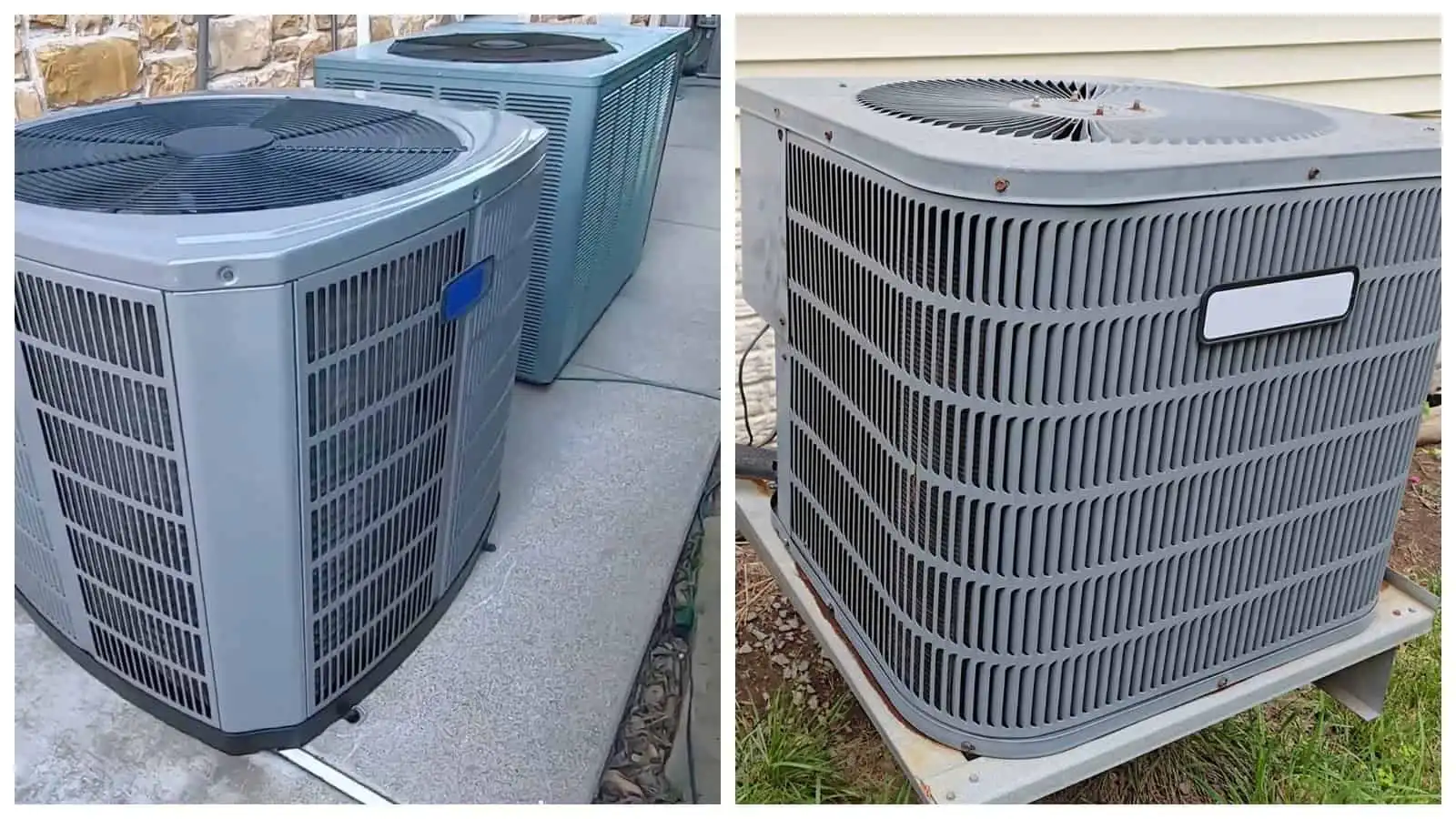
A heat pump handles both heating and cooling. The system has to satisfy whichever load is larger. In Los Angeles and Ventura County, that’s almost always the cooling load.
Summer afternoons in the inland valleys regularly hit 100°F and above. Winter lows rarely drop below 35–40°F. The temperature differential between indoor comfort and outdoor air is much larger in summer than in winter, which means cooling demand is the binding constraint on system size.
This is the opposite of cold-climate sizing. In Minnesota or Maine, the heating load drives the calculation because winter design temperatures can hit -10°F or colder. Sizing for cooling in those climates would leave the system undersized for heating. In Southern California, sizing for cooling typically gives heating capacity plenty of headroom.
This is why supplemental electric resistance heat is rarely necessary in this climate. A properly sized heat pump that handles a 100°F+ summer afternoon will easily handle a 38°F winter morning. For more on how heat pumps perform in Southern California specifically, see our guide on how heat pumps work in Los Angeles and Ventura County.
The practical takeaway: when an installer sizes your system, they should be calculating the cooling load and confirming it covers the heating load. If the calculation works the other way around, you’ll likely end up with an oversized system that cools poorly.
How Actually Work
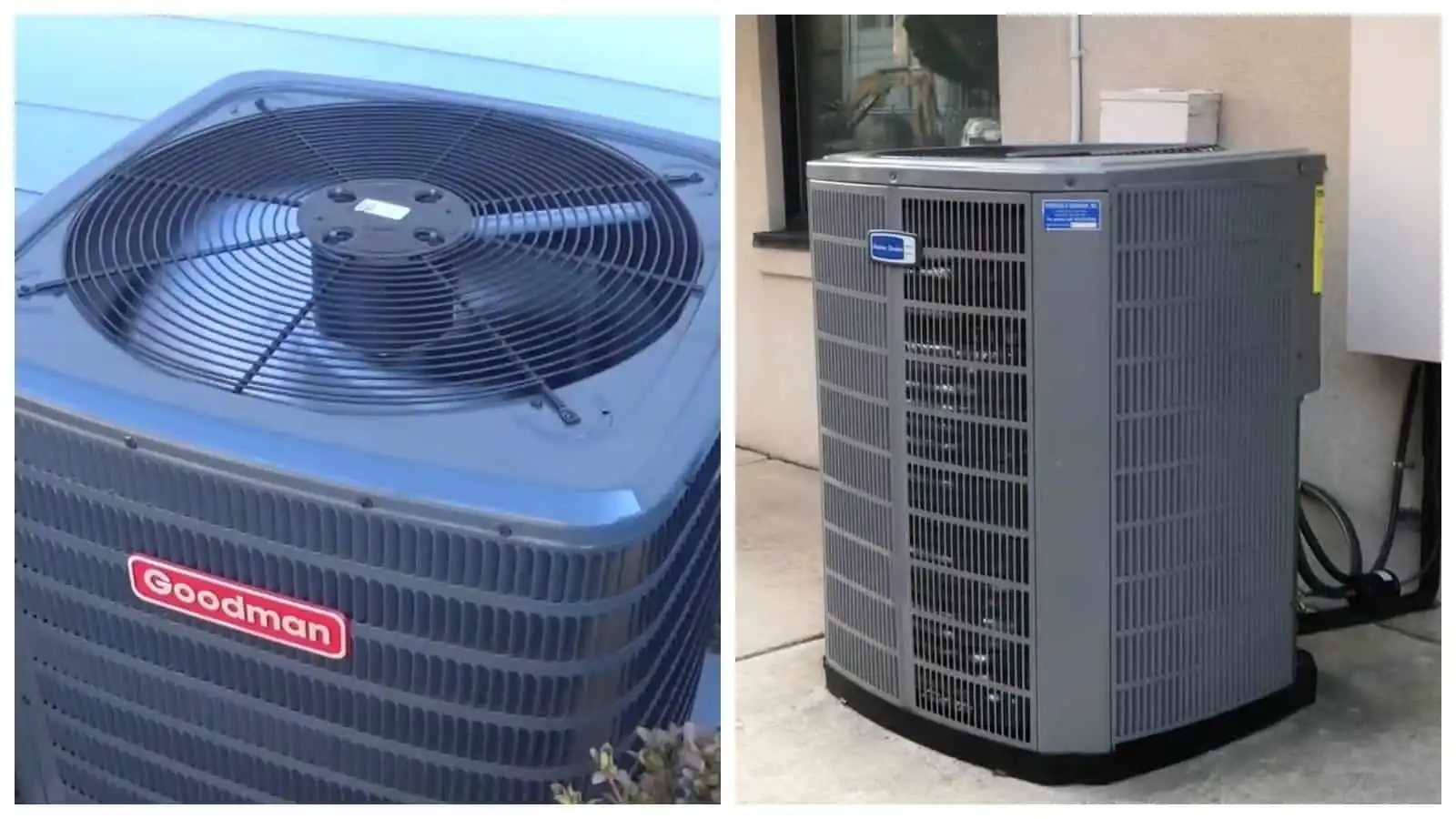
It’s the calculation licensed installers use when they’re sizing a system properly.
- Whole-home measurements including square footage, ceiling height, and room layout
- Insulation R-values for walls, ceilings, and floors
- Window count, dimensions, orientation, glazing type, and external shading
- Air infiltration assessment based on home age and construction
- Occupancy assumptions and internal heat gain from appliances and equipment
- Local climate data including design temperatures pulled from your specific ZIP code
The output is a specific BTU figure for both cooling and heating load, often broken down room by room. That number tells the installer what capacity the system needs, which then drives equipment selection, ductwork sizing, and zone configuration.
A contractor who quotes a system size from your driveway after a 5-minute walkthrough hasn’t done one. They’ve used a rule of thumb at best, or they’ve matched whatever your old system was at worst. Both approaches lead to wrong-sized systems.
The reason this matters financially: an oversized 4-ton system costs $2,000–$4,000 more than the right-sized 3-ton system, and it’ll perform worse and fail sooner. An undersized system runs constantly without keeping the home comfortable and burns through energy.
Sizing Considerations Specific to Los Angeles & Ventura County Homes
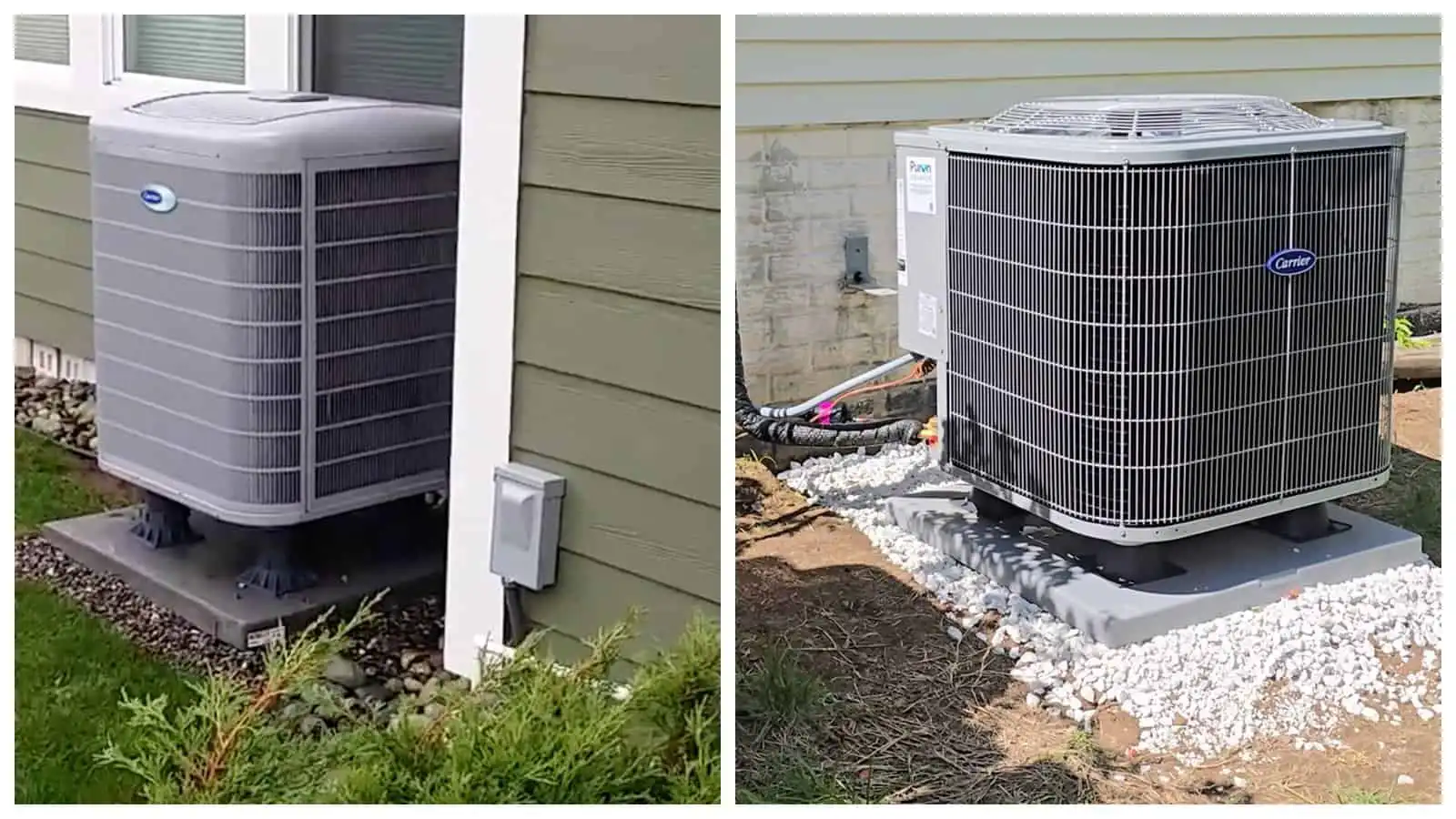
The general principles above apply everywhere. The specifics of LA and Ventura County housing stock change how those principles play out in real homes.
Older Valley homes (1950s–1980s). Most of the housing stock in Woodland Hills, Northridge, Reseda, Van Nuys, Simi Valley, Camarillo, and the older Conejo Valley neighborhoods falls in this range. These homes typically have weaker insulation, leakier envelopes, and older ductwork than the chart assumes. Square-footage shortcuts undersize systems for these homes because they don’t account for the air leakage and the insulation gaps. A 1,800 sq ft post-war ranch in Reseda often needs more capacity than a 1,800 sq ft new build in the same neighborhood.
Larger Conejo Valley and West Valley homes. Properties in Calabasas, Hidden Hills, Westlake Village, and Agoura Hills frequently run 3,000 to 6,000 square feet across two stories. Multi-zone sizing matters here. A single 5-ton system in a 4,500 sq ft two-story home rarely satisfies both upstairs and downstairs at the same temperature. Multi-zone ducted systems or zoned ductless configurations typically perform better than oversizing a single system to compensate.
Coastal Ventura County. Homes in Ventura, Oxnard, and Port Hueneme face lower cooling loads than the inland Valley because ocean air moderates summer temperatures. Sizing tracks lower in BTU per square foot, but humidity and salt-air corrosion considerations affect equipment selection more than sizing.
Inland Ventura County. Simi Valley, Moorpark, Ojai, Santa Paula, and Fillmore have hot, dry summers similar to inland Los Angeles County. Sizing tracks closer to Valley calculations than to coastal calculations, despite the geographic proximity.
Climate zones. Most of our service area falls in California climate zone 9 (inland valleys) and zone 6 (coastal areas). Outlying parts of LA County extend into zone 14 (high desert) and zone 16 (mountainous regions).
“They did a great job fixing my AC. They were fast, reasonably priced and the tech was nice and informative about what needed to be done.”
Grace Iace Brown, ⭐️⭐️⭐️⭐️⭐️ Google Review
Online Heat Pump Sizing Calculators: What They Get Right and Wrong
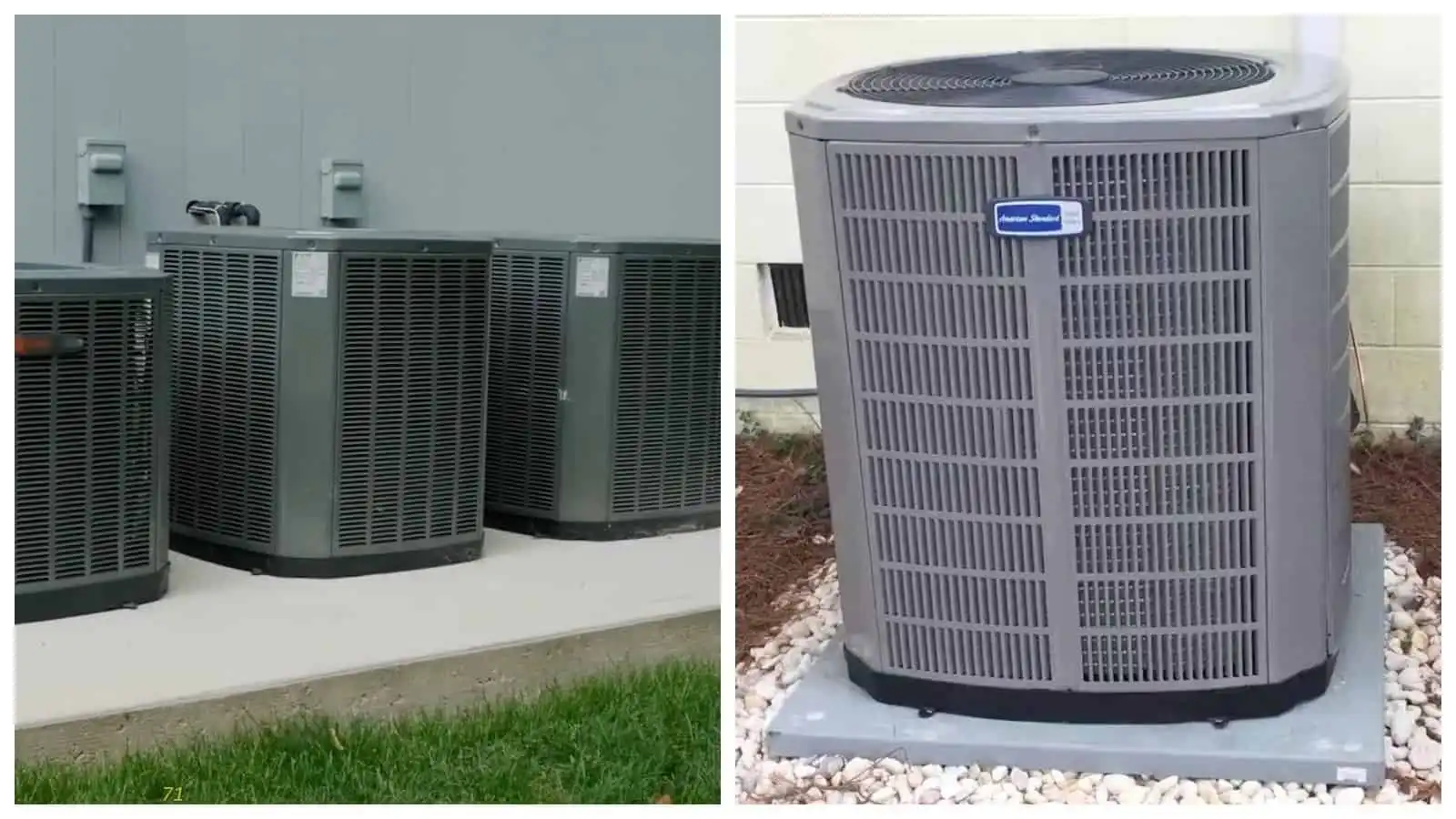
Free online heat pump sizing calculators exist for a reason: they’re useful for getting a directional estimate before you start booking contractor visits. Most ask for square footage, climate zone, insulation level, and the number of windows in the home. The output is usually a BTU range and a tonnage recommendation.
What they get right: directional accuracy. If a contractor quotes you a 5-ton system for a 1,500 sq ft home with no special circumstances, an online calculator will flag the mismatch. They give you a reference point to evaluate quotes against.
What they miss: actual measurements of insulation, real ductwork condition, room-by-room load distribution, internal heat sources, air infiltration testing, and the specific design temperatures for your location. A calculator can’t walk through your home and look at the gaps around your attic hatch.
The honest way to use an online calculator: as a sanity check before booking estimates, not as a final answer. If a calculator says you need a 2.5-ton system and a contractor quotes a 4-ton, ask the contractor to explain their reasoning. A bad answer involves a vague reference to your square footage.
Sizing Different Types of Heat Pump Systems
The principles above apply to most heat pump system types, but the implementation varies.
Ductless mini-split heat pumps. These are sized per zone or per room rather than as a whole-home calculation. Each indoor head has its own capacity rating, and multi-head systems require careful matching of indoor and outdoor units. A 9,000 BTU head in a 400 sq ft master bedroom is typical. A 12,000 BTU head in a 600 sq ft living room is typical. Multi-zone ductless systems are common in homes without existing ductwork, room additions, garage conversions, and detached structures.
Multi-zone ducted systems. These are sized at the system level but balanced across zones. A 4,500 sq ft Calabasas home might use a single 5-ton system with two zones (upstairs and downstairs) or two separate smaller systems. The calculation has to account for zone diversity since not every zone runs at full load simultaneously.
Sizing rule of thumb for ductless. Mini-split sizing follows similar BTU-per-square-foot logic but applied per zone. The total capacity across all heads doesn’t always equal the total of each zone’s individual sizing because of diversity factors.
Red Flags: When a Contractor’s Sizing Recommendation Is Wrong
If you’re getting quotes for a heat pump installation, here are the signs that the sizing recommendation isn’t trustworthy.
Red flag 1. The contractor recommends a size based only on the size of your existing unit. Existing units are often wrong-sized themselves, especially in older homes where systems were sized using outdated rules. Replacing like-for-like perpetuates the problem.
Red flag 2. The contractor never asks about your insulation, your windows, or whether your ductwork has been inspected. A sizing decision made without this information is a guess.
Red flag 3. The recommended size goes up significantly when you ask for a formal quote compared to the initial estimate. Some installers increase the size to maximize sale price, especially when they sense the customer isn’t pushing back.
Red flag 4. The recommended size goes down significantly when you negotiate price. Some installers cut corners by undersizing the system to hit a lower price point. The system will struggle and fail sooner.
Red flag 5. Two contractors give you sizing recommendations more than a full ton apart. One of them is wrong. If neither contractor offers to do one, that’s its own answer.
Red flag 6. No written breakdown of how the size was calculated. If the contractor can’t show you the calculation, ask why.
Want a sizing recommendation you can verify? We provide a written breakdown with every estimate.
“My AC stopped working, so I found this company online. They responded quickly and arrived within a few hours. The technician diagnosed the issue, replaced the motor, and had my system up and running the same day. Excellent service. I highly recommend them to anyone needing AC repair!”
Matin Sed, ⭐️⭐️⭐️⭐️⭐️ Google Review
Heat Pump Sizing FAQs
What size heat pump do I need for a 1,500 sq ft home?
A general estimate is 2 to 2.5 tons (24,000 to 30,000 BTU) for a 1,500 sq ft home. The actual size depends on insulation quality, ceiling height, window orientation, and climate zone.
What size heat pump do I need for a 2,000 sq ft home?
Roughly 3 tons (36,000 BTU) for a 2,000 sq ft home as a starting estimate. Older homes with weaker insulation may need closer to 3.5 tons. New construction or recently insulated homes may need only 2.5 tons.
What size heat pump do I need for a 3,000 sq ft home?
A 3,000 sq ft home typically needs 3.5 to 4 tons (42,000 to 48,000 BTU). Multi-zone configurations are common at this size to handle different temperature zones efficiently rather than running a single large system.
How do I calculate what size heat pump I need?
Online calculators give a ballpark estimate using simplified inputs.
How many BTU per square foot does a heat pump need?
You’ll see a traditional rule of thumb of 25 to 30 BTU per square foot, but that figure is outdated for modern homes in moderate climates like Southern California. With current insulation standards, the practical range is closer to 15 to 20 BTU per square foot. This is a starting point, not a final answer. Climate, insulation quality, ceiling height, and window characteristics all shift the actual requirement.
Is a bigger heat pump always better?
No. Oversized heat pumps short-cycle, meaning they turn on and off too quickly without running long enough to dehumidify or distribute air evenly. This causes uneven comfort, higher energy bills, faster component wear, and shorter system life. Right-sized is better than oversized.
What is?
It accounts for square footage, insulation, window orientation and quality, air infiltration, occupancy, and local climate data. It’s the methodology licensed HVAC installers use to size systems accurately.
Should I trust a contractor who quotes a heat pump size without measuring my home?
A sizing recommendation made without measuring insulation, ductwork, windows, and air leakage is a guess. Ask any contractor for a written breakdown of the calculation behind their recommendation.
What size heat pump do I need for a multi-zone home?
Multi-zone homes typically use either a multi-zone ducted system or multiple ductless heads. Total capacity is calculated by summing individual zone loads, but matching indoor and outdoor units, balancing zones, and accounting for diversity factors requires professional sizing. Single-zone systems in multi-story homes rarely deliver even comfort.
Get a Real Sizing Recommendation for Your Home
The right answer to “what size heat pump do I need” isn’t in a chart. It’s in the specifics of your home: the insulation, the windows, the ductwork, the climate zone, and how the system needs to be balanced across rooms and floors.
We’ll walk through your home, account for the variables that matter, and give you a sizing recommendation you can verify, not just trust.