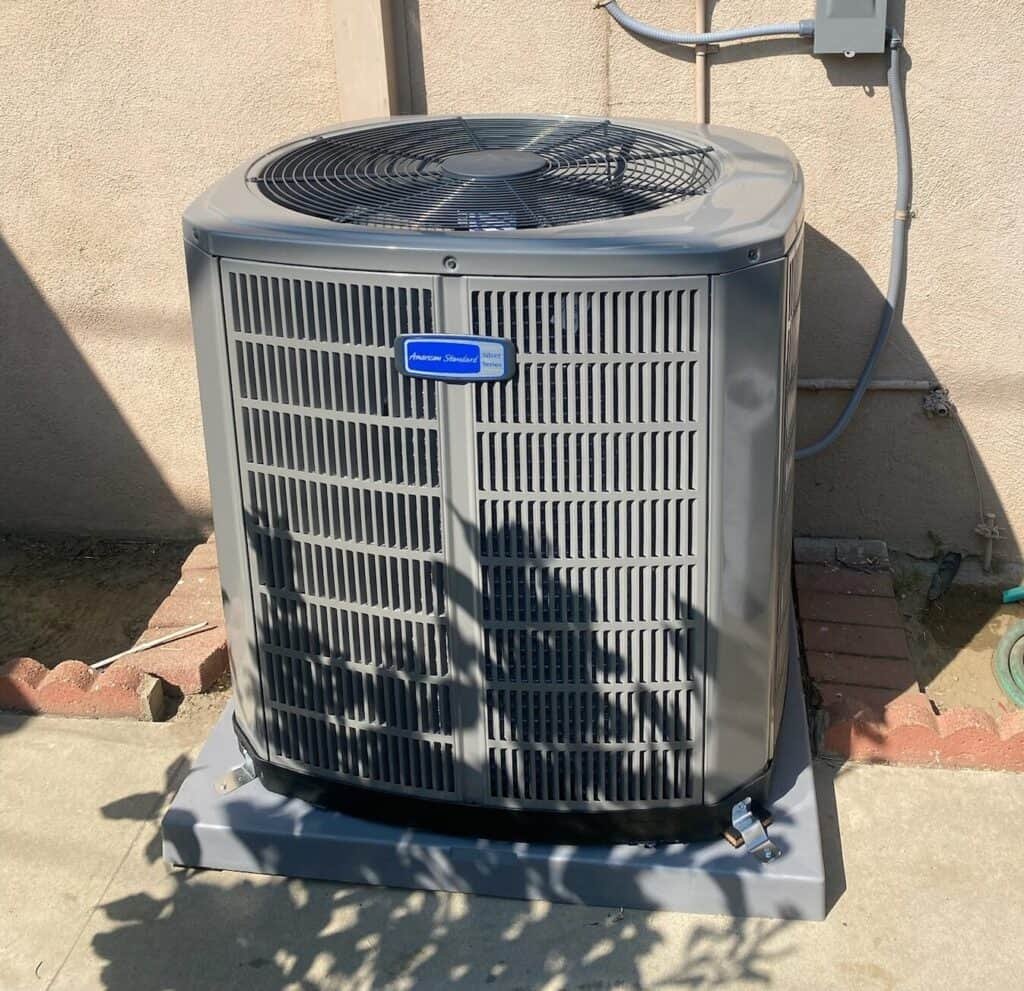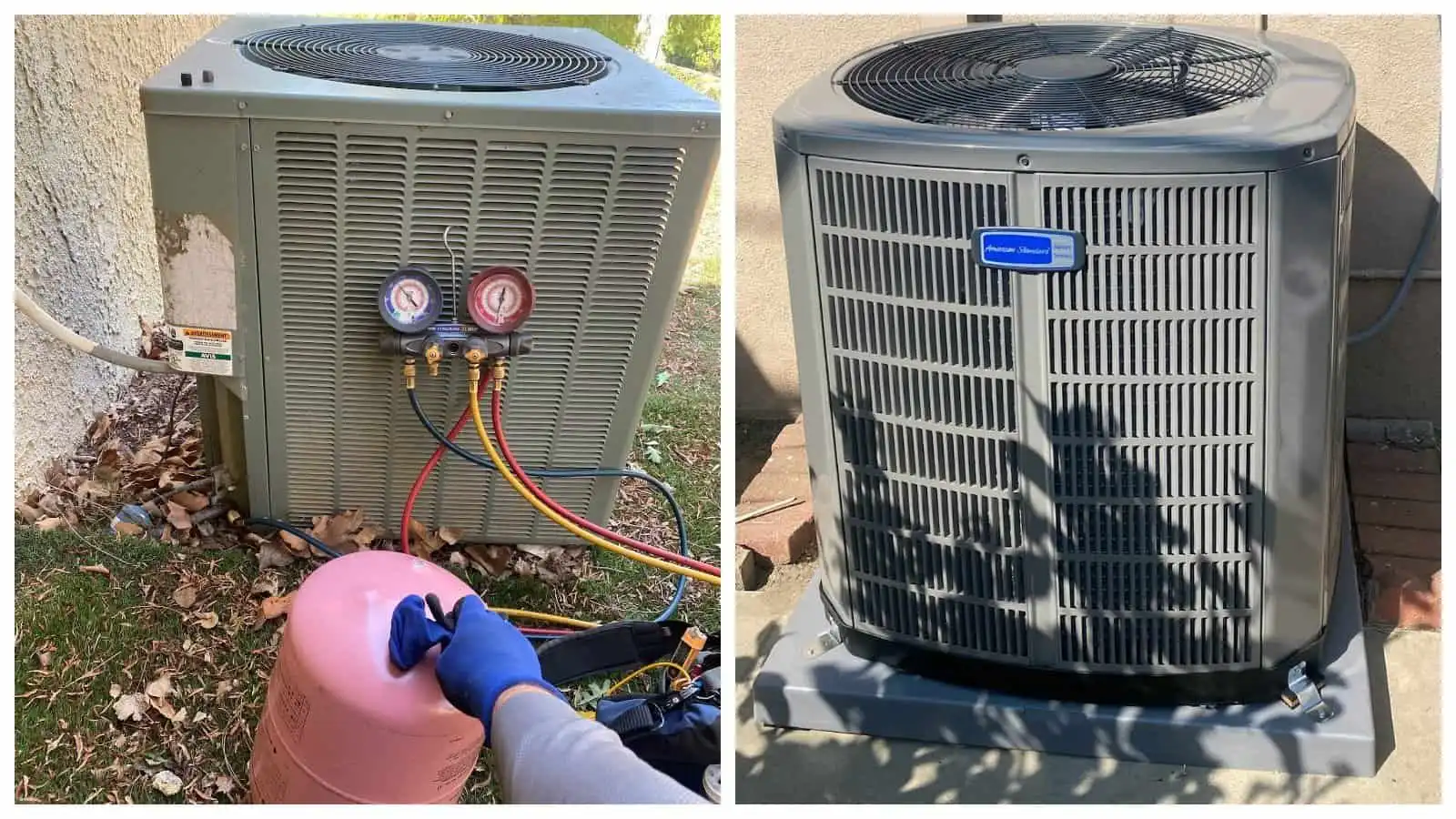
If a technician just told you your air conditioner is “illegal now” or that the new refrigerant law forces you into a full system replacement, take a breath. That is not how the R-410A phase-out works. Your existing AC is legal, safe to run, and in most cases does not need to be replaced. What actually changed is on the manufacturing side, and the part that affects you most is cost.
Key Takeaways
- R-410A is being phased out of new equipment manufacturing, but your existing R-410A air conditioner is legal, safe to operate, and does not need to be replaced.
- As of January 2025, manufacturers stopped building new residential AC and heat pump systems that use R-410A. New systems now ship with R-454B or R-32.
- The 2026 R-454B refrigerant transition adds 5-10% to equipment costs compared to the older R-410A systems, typically $500-$2,000 depending on system tier.
- R-410A recharge prices have climbed roughly 40 to 60 percent since 2023. Expect $40 to $90 per pound installed, and a full recharge on a 3-ton system often running $500 to $1,000 or more.
- The price jump is real, not automatically a scam. Tightening supply under the EPA phase-down is driving it, the same pattern that played out with R-22.
- In Los Angeles and Ventura County, a refrigerant leak on an older R-410A system is the moment to get a second opinion before agreeing to a full replacement.
This guide explains what the phase-out actually is, what the new refrigerants are, why your repair bill went up, and how to tell the difference between an honest quote and a contractor using the rule change to sell you a system you do not need.
What the R-410A Phase-Out Actually Is (2026 Update)
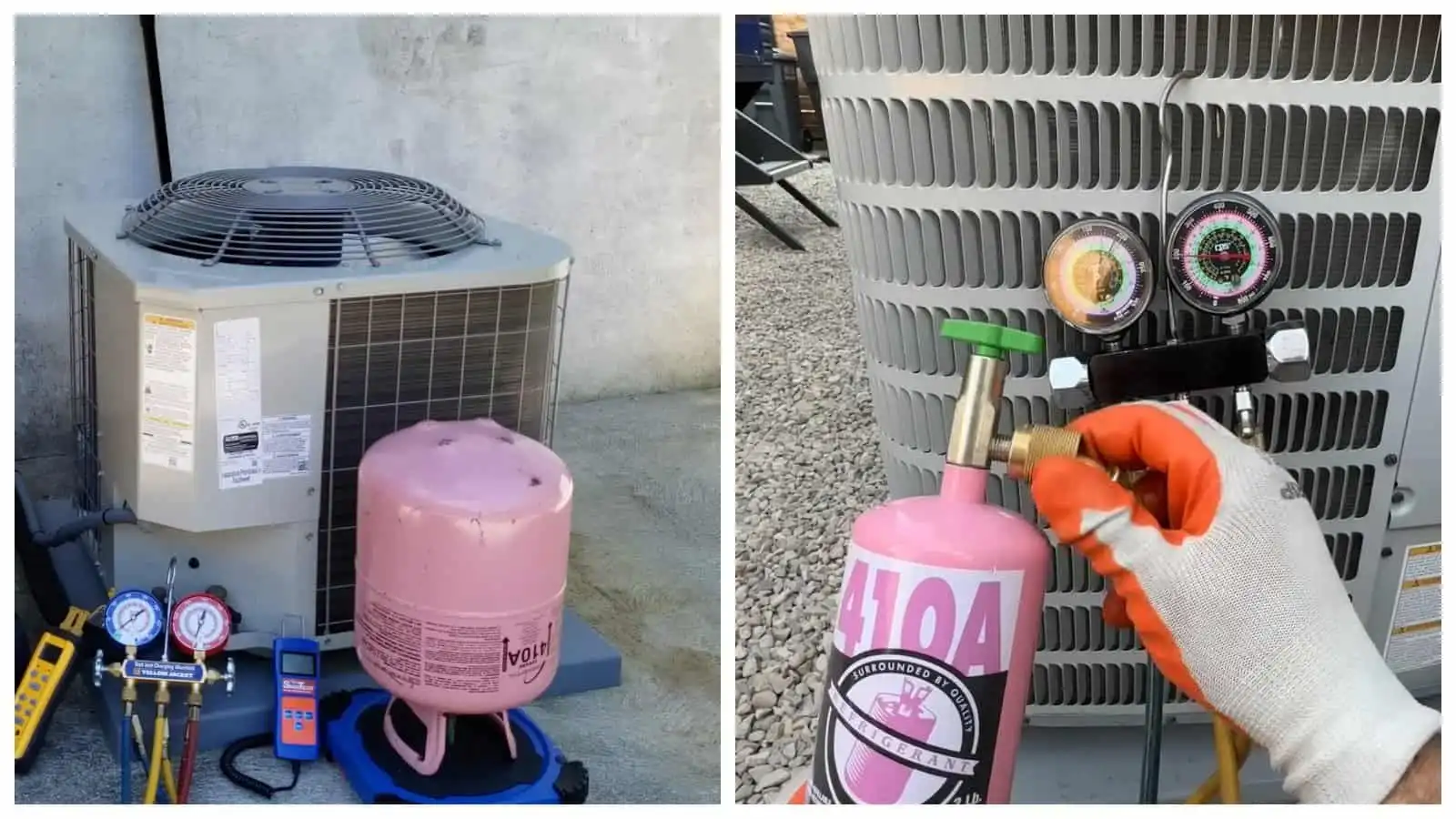
The phase-out comes from the AIM Act, a federal law directing the EPA to reduce the use of high global warming potential refrigerants. R-410A, the standard in residential air conditioners and heat pumps for about two decades, has a high global warming potential, so it landed on the list.
Here is the part that gets misreported. As of January 1, 2025, manufacturers can no longer produce or import new residential AC and heat pump equipment that uses R-410A. That rule applies to building new equipment. It does not make your current system illegal, and it does not ban R-410A itself.
Existing R-410A systems are completely legal to run, service, and recharge. The EPA has not set a date when R-410A systems can no longer be serviced. Production of the refrigerant winds down gradually over the next several years, and servicing of existing systems is expected to continue well into the 2030s. So nothing about the phase-out requires you to rush out and replace a working air conditioner. It simply means that when you eventually do replace it, the new system will use a different refrigerant.
What Is the New AC Refrigerant? (R-454B, R-32, and “A2L”)
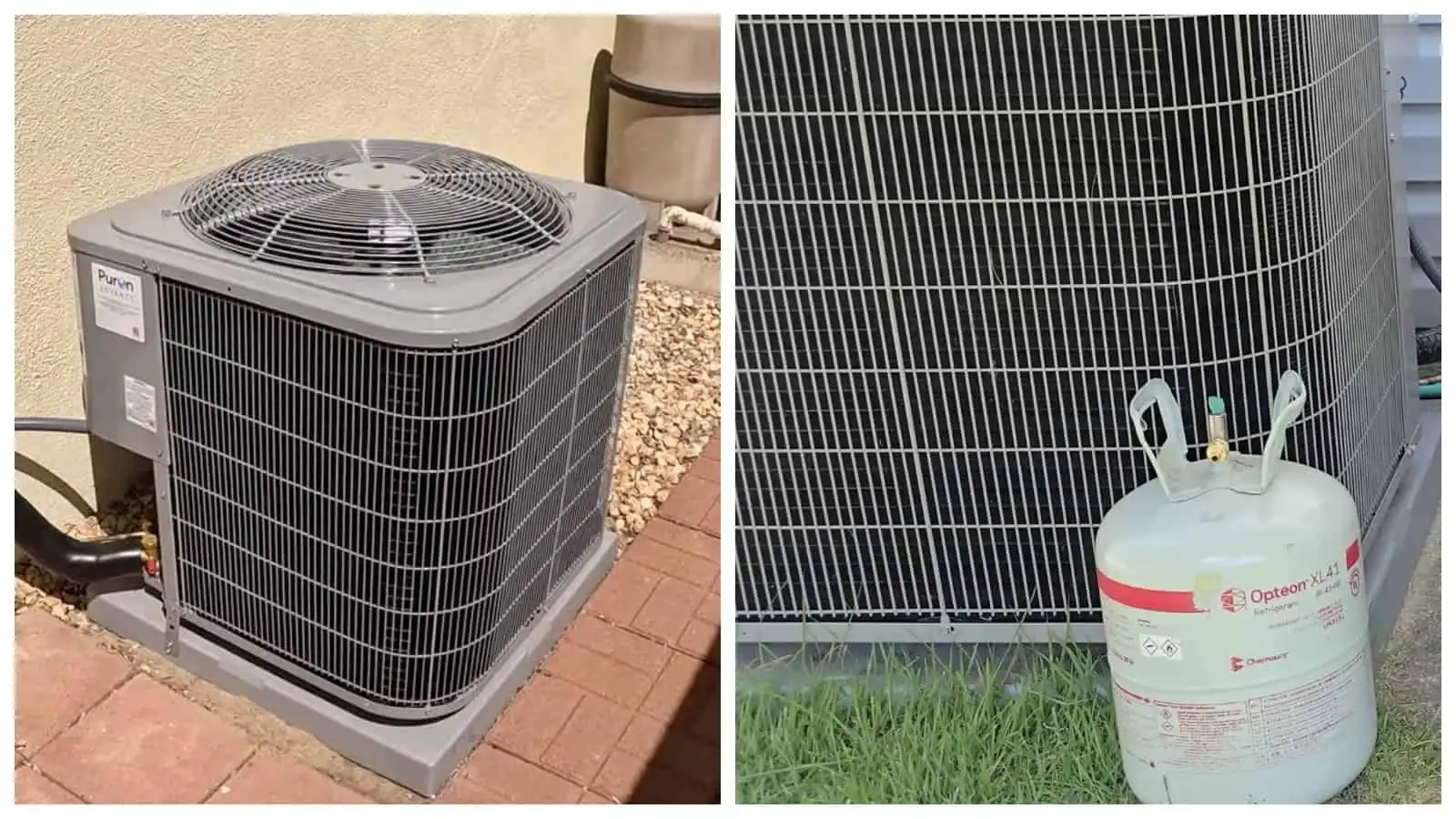
New systems built today use one of two refrigerants: R-454B or R-32. Both do the same job R-410A did, and both perform comparably in real-world cooling. The difference is environmental: R-410A has a global warming potential of 2,088, while R-454B comes in around 466 and R-32 around 675, all well under the limit the EPA set for new equipment.
You may also hear the term “A2L.” That is the safety classification both new refrigerants fall under. A2L means mildly flammable, in contrast to R-410A, which is non-flammable. This sounds alarming on a sales call, but A2L refrigerants are difficult to ignite and require specific conditions to do so. New systems are engineered around the classification with features like leak sensors and updated electrical components, and they meet national safety standards built specifically for A2L equipment. We cover the safety question in more detail further down.
The one practical takeaway: R-454B and R-32 are not interchangeable with R-410A. You cannot top off an old R-410A system with the new refrigerant, because the two run at different pressures and need different components. A new refrigerant means a new system, not a conversion of your old one.
Not sure what refrigerant your current system uses or whether it is worth keeping? A quick look from a technician answers that fast.
“Installed the new AC quickly same day when mine broke on the hot summer day what a lifesaver!”
David Dorfman, ⭐️⭐️⭐️⭐️⭐️ Google Review
Do You Have to Replace Your Current AC? (Short Answer: No)
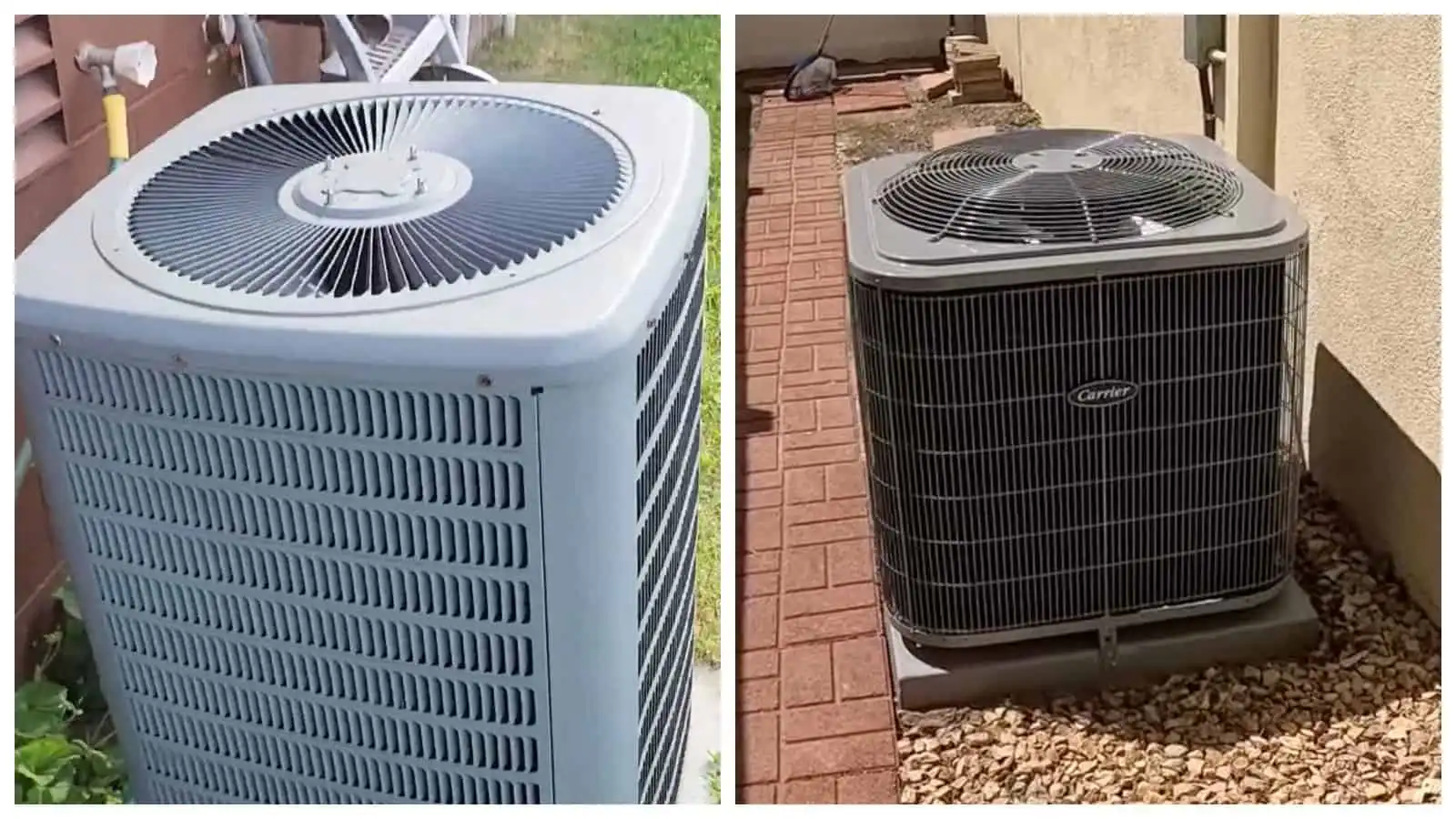
This is the fear most homeowners walk in with, so here it is plainly: no, you do not have to replace your air conditioner because of the refrigerant change.
If your R-410A system is running fine, keep running it. It is legal, and it can be serviced and recharged for years to come. The phase-out does not put an expiration date on your equipment.
Where the change does matter is timing your eventual replacement. R-410A will gradually get more expensive to buy as production tightens, which is exactly what happened with the older R-22 refrigerant after its own phase-out. That makes large recharges on aging systems progressively less economical over time. So the honest guidance is this: do not panic-replace a healthy system, but if your AC is already 12 to 15 years old and develops a significant leak, the math increasingly favors replacement over repeatedly feeding it pricey refrigerant. That is a case-by-case decision, not a blanket rule, and it is one worth checking with us before you commit either way.
Why AC Repair and Refrigerant Recharge Cost More in 2026
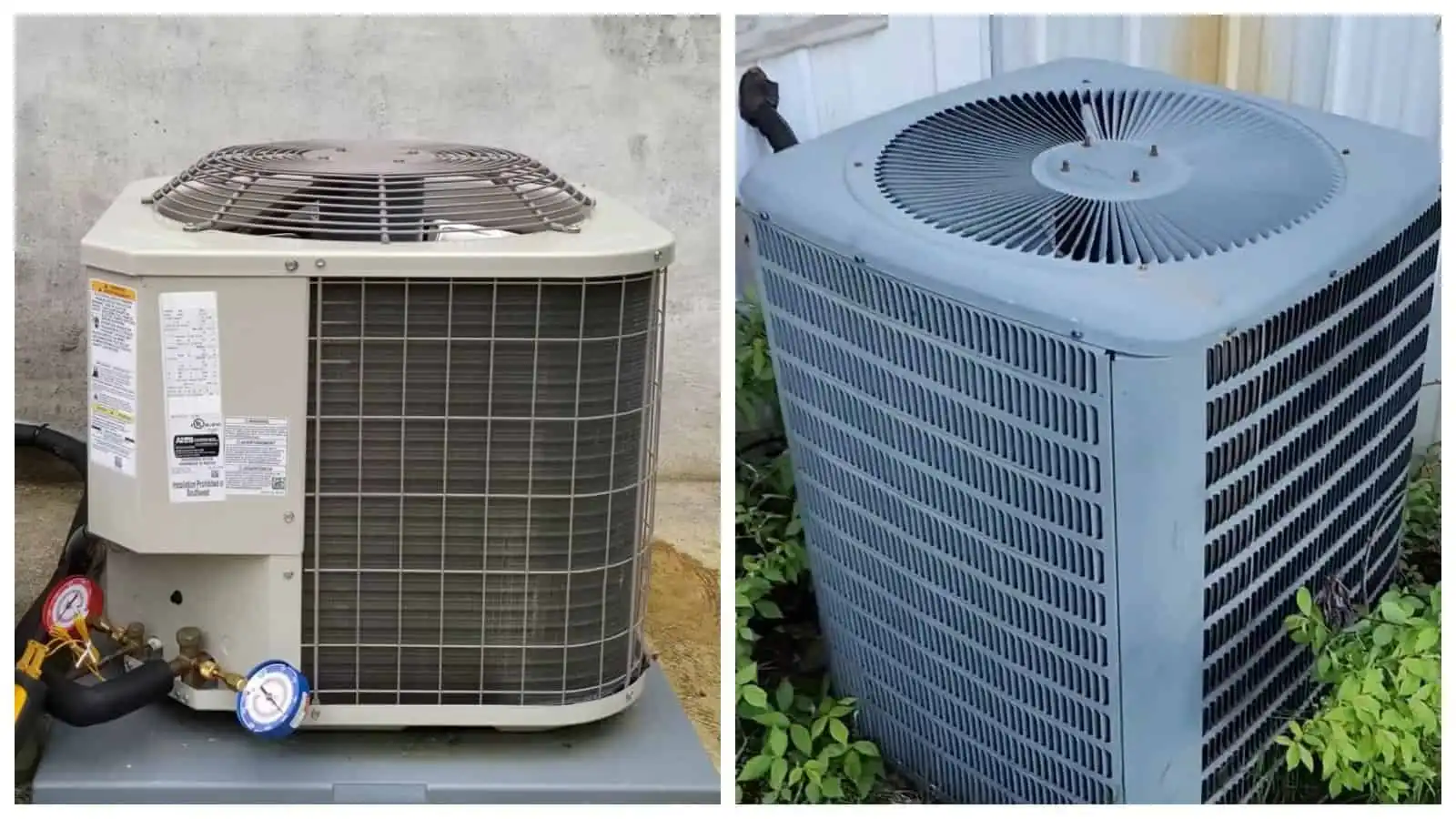
This is the sticker shock, and it is the part that makes homeowners suspect they are being scammed. So here are the real numbers and the honest reason behind them.
R-410A now runs roughly $40 to $90 per pound installed on a service call, with some markets and after-hours emergency calls pushing past $100 per pound. A typical home system holds about 2 to 4 pounds of refrigerant per ton of capacity, which works out to roughly 6 to 15 pounds total. Once you add the leak diagnosis, recovery, and labor, a full recharge on a 3-ton system often lands between $500 and $1,000 or more. Industry trackers put R-410A prices up roughly 40 to 60 percent compared to 2023.
If you have an older system still running R-22, the picture is worse: that refrigerant now runs anywhere from $90 to $400 per pound because it is scarce.
Why the increase? The EPA phase-down steadily reduces how much R-410A can be produced and imported each year. Steady demand for servicing meets shrinking supply, and prices rise. Distributors also price today against next year’s tighter limits, which pushes costs up further. None of that is your contractor inventing a number. It is the same supply squeeze that hit R-22 a few years ago.
One more thing worth knowing, because it protects you: federal law restricts refrigerant purchases to EPA-certified professionals. A homeowner cannot legally buy a jug and do it themselves, so “just buy your own refrigerant” is not a real option, and a recharge will always include the certified labor and recovery that go with it. A genuine recharge also means you have a leak, since refrigerant circulates in a sealed loop and does not get “used up.” That leak needs a proper AC repair visit to find and seal, not just a refill that leaks back out in a few months.
Got a recharge or repair quote that made your stomach drop? We will tell you what is fair and what is not, in plain numbers.
“They did a great job fixing my AC. They were fast, reasonably priced and the tech was nice and informative about what needed to be done.”
Grace Iace Brown, ⭐️⭐️⭐️⭐️⭐️ Google Review
R-410A vs R-454B: Is the New One Better, and Is It Safe?
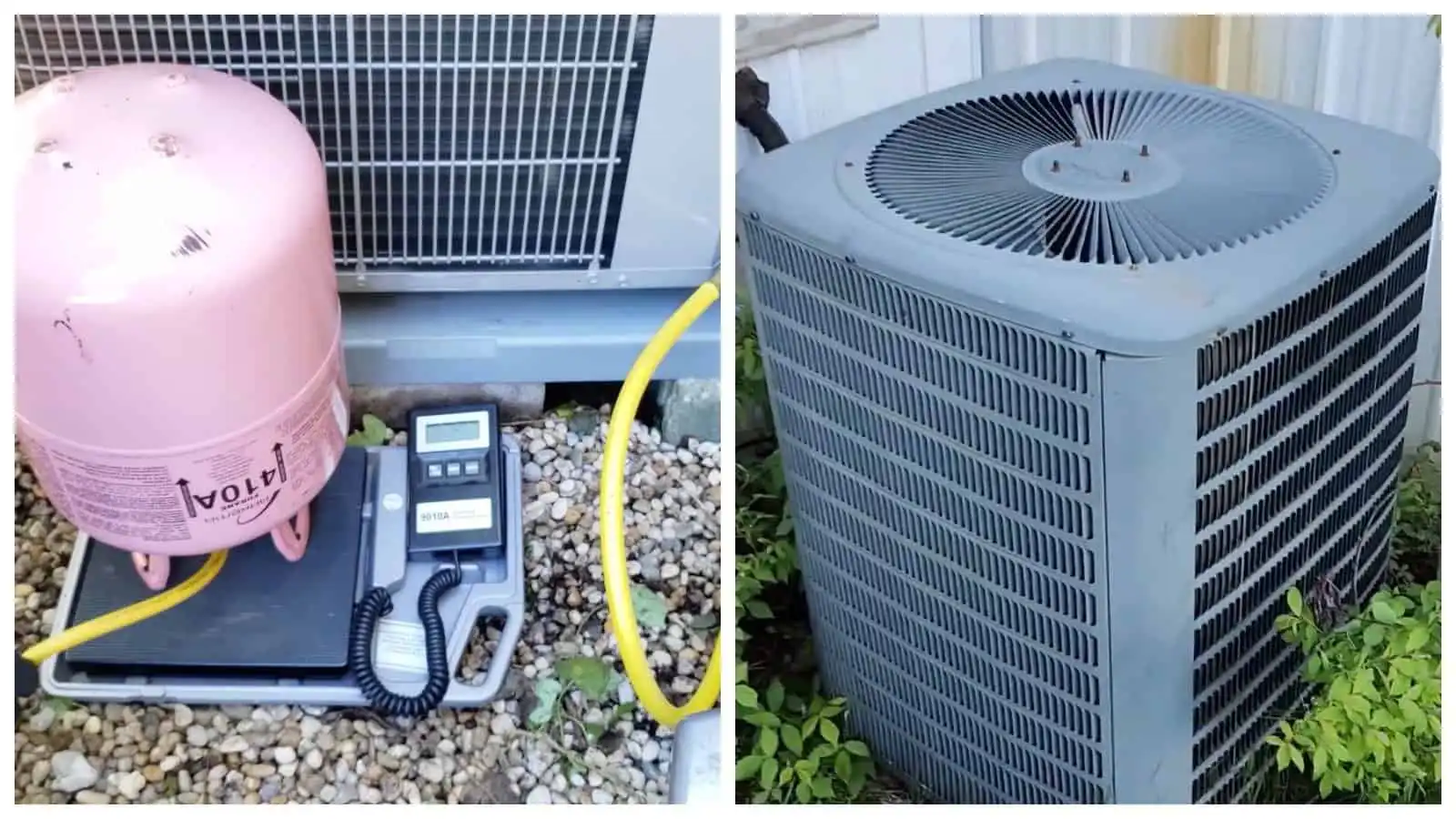
Two fair questions, answered straight.
Is R-454B better than R-410A? On cooling performance, they are comparable. You will not notice your house being cooled any worse or any better based on the refrigerant alone. The real improvement is environmental, with R-454B carrying a far lower global warming potential. Some newer systems built around R-454B and R-32 are also slightly more efficient, but that comes from the equipment design, not the refrigerant by itself. Do not let anyone sell you a new system on the promise that the refrigerant alone will slash your bill.
Is R-454B safe? Yes, with context. R-454B is classified A2L, which means mildly flammable, while R-410A is non-flammable. The A2L label is what sales pitches lean on to create worry. In practice, A2L refrigerants are hard to ignite, need a concentrated leak and an ignition source in a confined space to pose any risk, and are used safely in millions of systems. Equipment built for them includes leak detection and spark-resistant components, and it is all governed by safety standards written specifically for A2L refrigerants. It is a real change in how systems are engineered, but it is not a reason to fear a new air conditioner. For how refrigerant fits into the bigger cost of a new system, our AC installation cost guide for LA and Ventura County breaks down the full pricing picture.
How to Tell If a Contractor Is Using the Refrigerant Change to Oversell You
The phase-out has handed less scrupulous companies a convenient script. Here is how to spot it.
Watch for these red flags:
- “Your system is illegal now and has to be replaced.” False. Existing R-410A systems are legal and serviceable. The law restricts manufacturing, not your ownership or use.
- “We can’t repair R-410A systems anymore.” False. R-410A is available for servicing and will be for years.
- A jump straight to a full system replacement quote the moment a refrigerant leak is mentioned, without first finding and pricing the leak repair.
- Pressure to decide today, framed around a “deadline” that does not apply to your existing equipment.
The honest version looks different. A leak gets diagnosed and located first. You get the cost to repair the leak and recharge, and the cost to replace, laid side by side. Replacement gets recommended when the system is old, the leak is severe or in the coil, and the repeated refrigerant cost no longer makes sense, not as a reflex. On a system that is only a few years old with an accessible leak, repair is usually the right call.
If you have a replacement quote sitting on your kitchen table and a nagging feeling it is more than you need, that feeling is worth acting on. A second opinion costs you very little and routinely saves homeowners thousands.
Were you told you need a whole new system because of the refrigerant rules? Let us look before you sign anything.
“My AC stopped working, so I found this company online. They responded quickly and arrived within a few hours. The technician diagnosed the issue, replaced the motor, and had my system up and running the same day. Excellent service. I highly recommend them to anyone needing AC repair!”
Matin Sed, ⭐️⭐️⭐️⭐️⭐️ Google Review
Buying a New AC in 2026: What Refrigerant to Expect
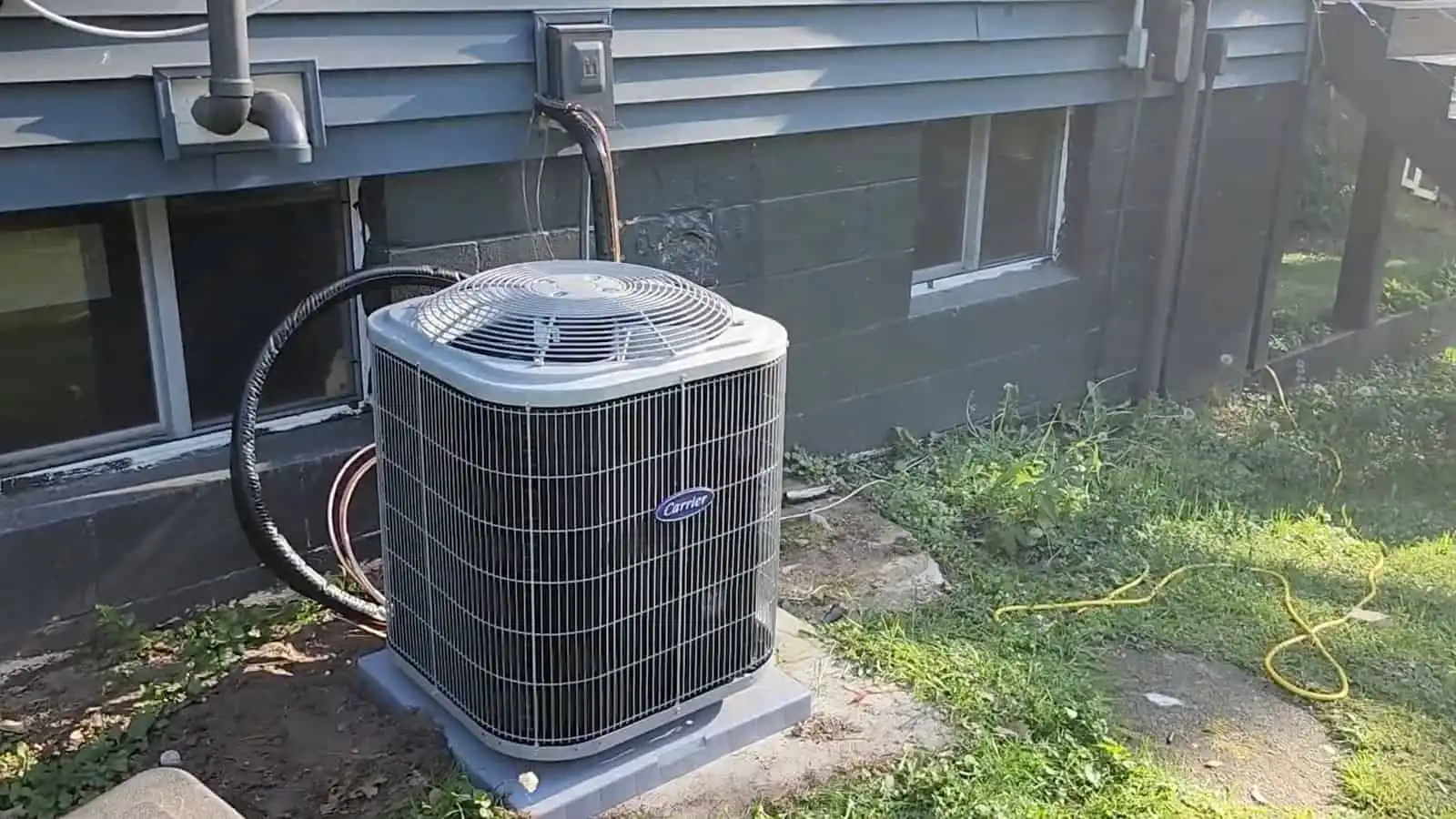
If you are genuinely ready for a new system, here is what to expect on the refrigerant front.
Any new central AC or heat pump you buy now comes pre-charged with R-454B or R-32. You do not choose the refrigerant; it is determined by what the manufacturer builds, and the major brands have all transitioned. Both are fully compliant with the EPA rules, so a new system is future-proof on that count.
Frequently Asked Questions
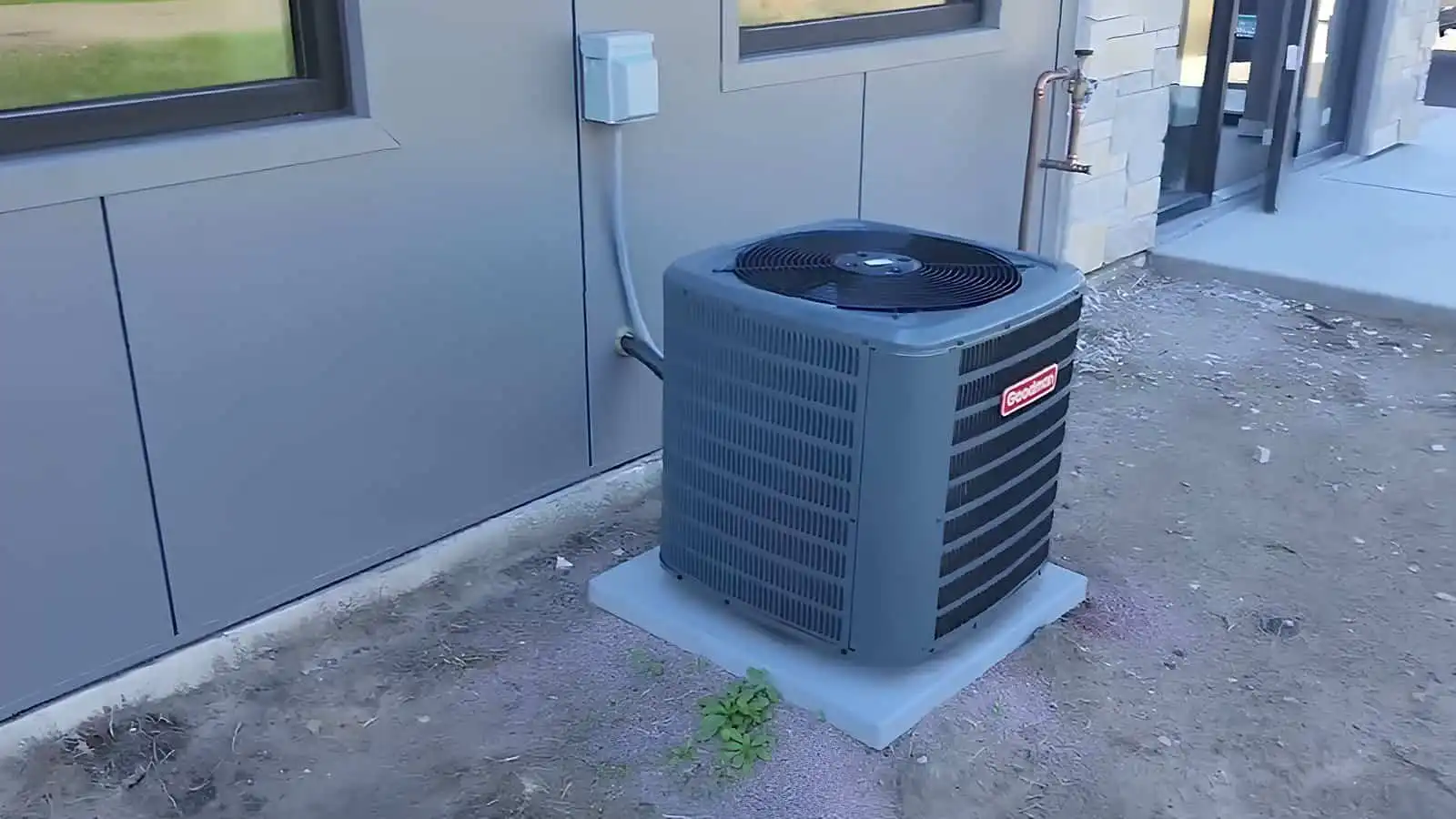
Is R-410A being banned?
Not for existing systems. As of January 2025, manufacturers can no longer build new residential equipment that uses R-410A, but your current system is legal to own, run, service, and recharge. The refrigerant itself is still produced for servicing and will be for years.
Do I have to replace my air conditioner because of the refrigerant change?
No. A working R-410A system does not need to be replaced. The phase-out affects new equipment manufacturing, not your existing unit. Replacement only makes financial sense if your system is old and develops a major leak.
What is the new AC refrigerant for 2026?
New residential systems use R-454B or R-32. Both replace R-410A, perform comparably for cooling, and have a much lower global warming potential. Both fall under the A2L safety classification.
Why does recharging my AC cost more now?
R-410A supply is tightening under the EPA phase-down while demand for servicing stays steady, so prices have risen roughly 40 to 60 percent since 2023. Expect $40 to $90 per pound installed, with a full 3-ton recharge often $500 to $1,000 or more. The increase is real, not automatically a scam.
Is R-454B better than R-410A?
For cooling, they perform comparably. R-454B’s advantage is a far lower global warming potential. Any efficiency gain in a new system comes mostly from the equipment design, not the refrigerant alone.
Is R-454B refrigerant flammable or safe to have in my home?
R-454B is classified A2L, meaning mildly flammable, while R-410A is non-flammable. A2L refrigerants are difficult to ignite and are used safely in millions of systems, and new equipment is built with leak sensors and safeguards designed for them. It is safe for home use.
Can my current R-410A system still be repaired?
Yes. R-410A is available for servicing existing systems and will remain so for years. Anyone telling you R-410A systems can no longer be repaired is not being straight with you.
Got a Quote That Doesn’t Feel Right? Get a Second Opinion
The refrigerant change is real, and so are the higher recharge costs. What is not real is the idea that your working air conditioner is suddenly illegal or that a leak automatically means a full replacement. If you have a repair or replacement quote you are not sure about, we will look at your system, find the actual problem, and give you a straight recommendation with both options priced out and no pressure to pick the bigger one.
Reach out through the contact form on our contact page or call us at 747-222-6259 for a free, no-obligation second opinion anywhere in Los Angeles or Ventura County.