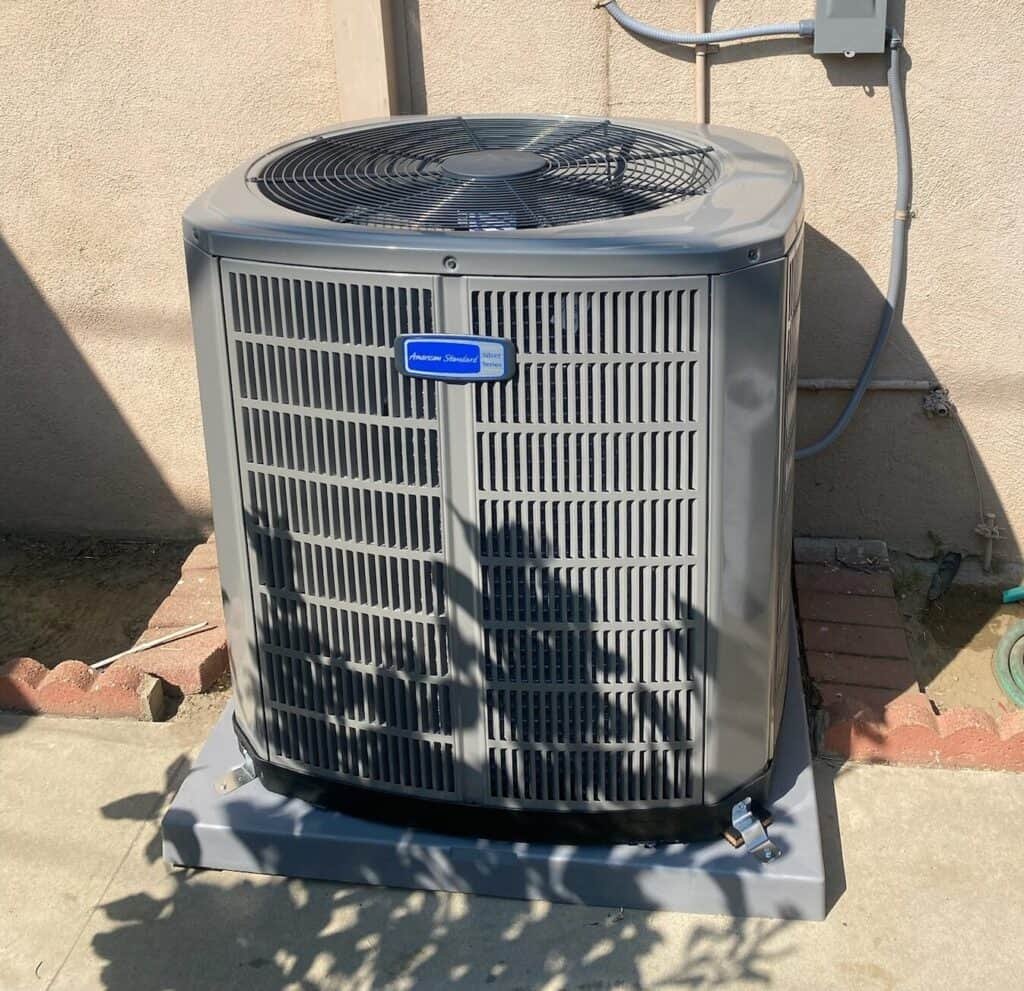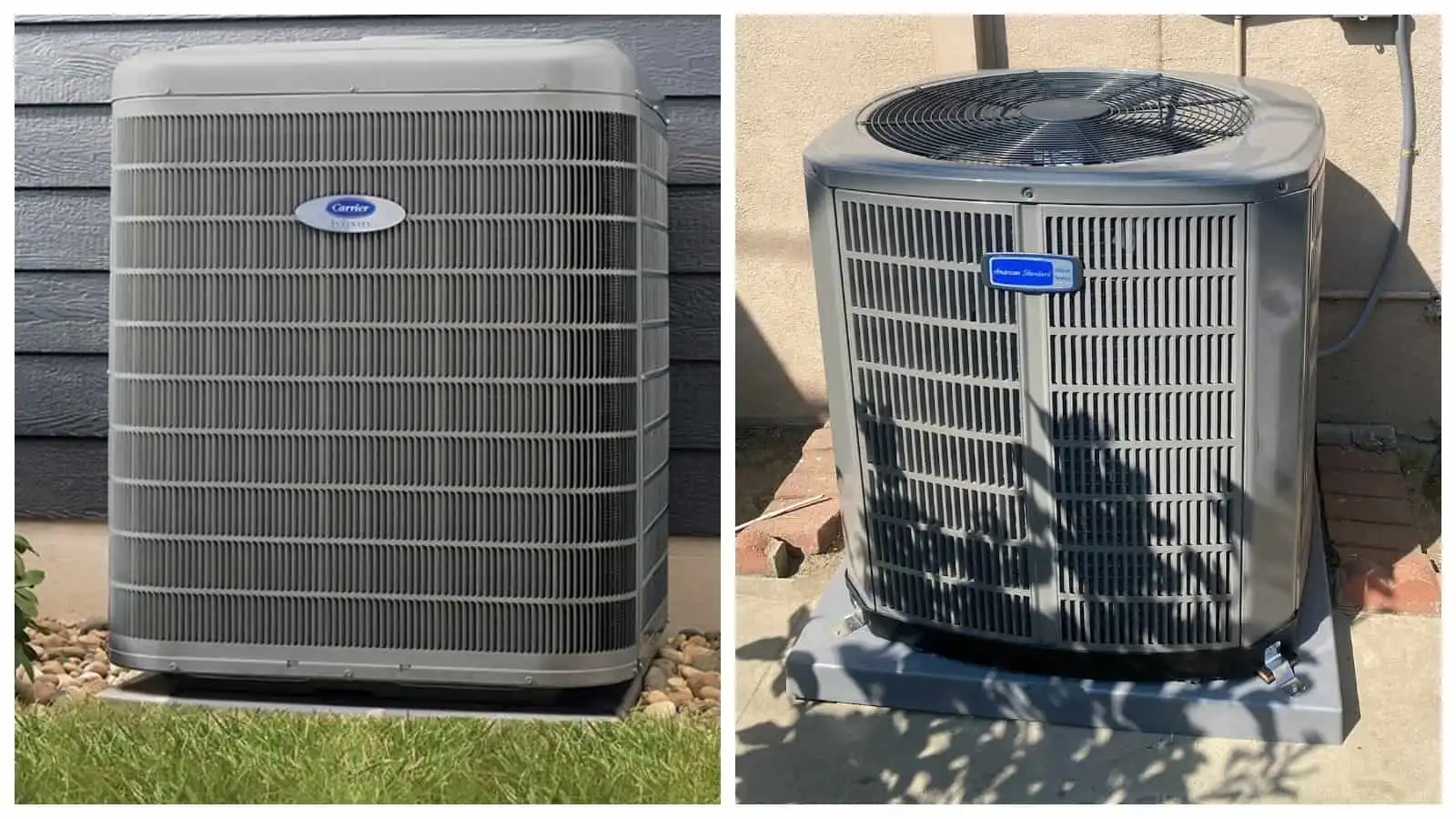
If you’re shopping for a heat pump, the brand question comes up fast. Carrier or Lennox? Is Trane worth the premium? Is a budget brand a mistake? The honest answer is that several brands make excellent equipment in 2026, and the “best” one depends on your home, your budget, and one factor most brand rankings skip: who installs it.
Key Takeaways
- The most reliable ducted heat pump brands for Southern California homes are Trane, American Standard, Carrier, Lennox, and Bryant, with Goodman as a solid budget option.
- Brand matters, but installation quality matters just as much. Consumer Reports found that 29% of heat pumps failed by year eight, and most of those failures trace back to poor sizing or install work, not the badge.
- Lennox makes the most efficient residential ducted heat pumps, with top models reaching SEER2 ratings up to around 24 (ductless mini-splits go higher).
- For homes without ductwork, Mitsubishi, Daikin, and Fujitsu lead the ductless mini-split category.
- New heat pumps sold in 2026 run on the current A2L refrigerant (R-454B or R-32), since R-410A equipment is no longer manufactured.
- The federal heat pump tax credit of up to $2,000 is locked in through 2032, and California state and utility rebates are still available to stack on top of it.
We install and service heat pumps across Los Angeles and Ventura County, so this is the same guidance we give homeowners during an estimate. Here’s how the major brands actually compare, and how to pick the right one for a Southern California home.
What Actually Separates Heat Pump Brands in 2026
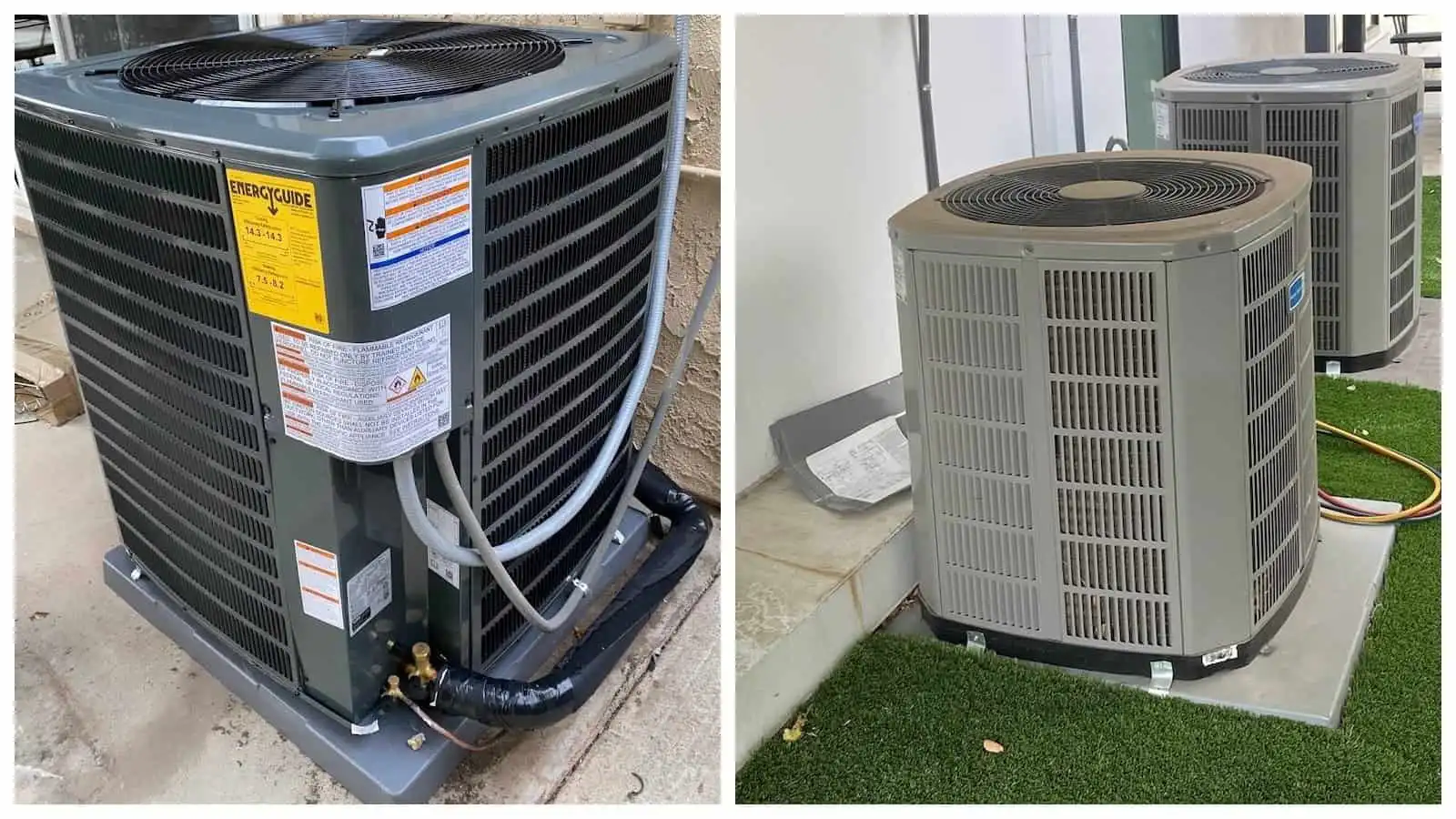
Most heat pumps share the same core technology, so the real differences come down to a few things: compressor quality, efficiency ratings, warranty coverage, and how widely available parts and service are.
Efficiency is now measured by SEER2 (cooling) and HSPF2 (heating), the updated ratings that replaced the older SEER and HSPF numbers. Higher is better on both. The bigger shift in recent years is the move to variable-speed, or inverter, compressors. Instead of running flat out and shutting off, they modulate output to hold a steadier temperature, run quieter, and manage humidity better. Most mid-tier and premium systems now use them, and for a home that runs year-round, they’re usually worth the extra cost.
One thing to keep in mind for 2026: every new system now uses an A2L refrigerant such as R-454B or R-32. R-410A equipment stopped being manufactured at the start of 2025, so any new heat pump you buy this year will be on the current refrigerant regardless of brand.
Reliability is where it gets interesting. Consumer Reports’ 2026 analysis found heat pumps are less reliable than most people assume, with nearly a third failing by the eighth year. But the gap between brands is real, and in our experience most early failures come down to a system that was oversized, undersized, or installed badly, not the brand on the label. That’s worth remembering before you pay a premium for a badge alone.
A heat pump is a long-term investment, and the right brand depends on your specific home. We’ll help you compare options with no pressure to upgrade.
“They did a great job fixing my AC. They were fast, reasonably priced and the tech was nice and informative about what needed to be done.”
Grace Iace Brown, ⭐️⭐️⭐️⭐️⭐️ Google Review
Trane and American Standard: The Durability Tier
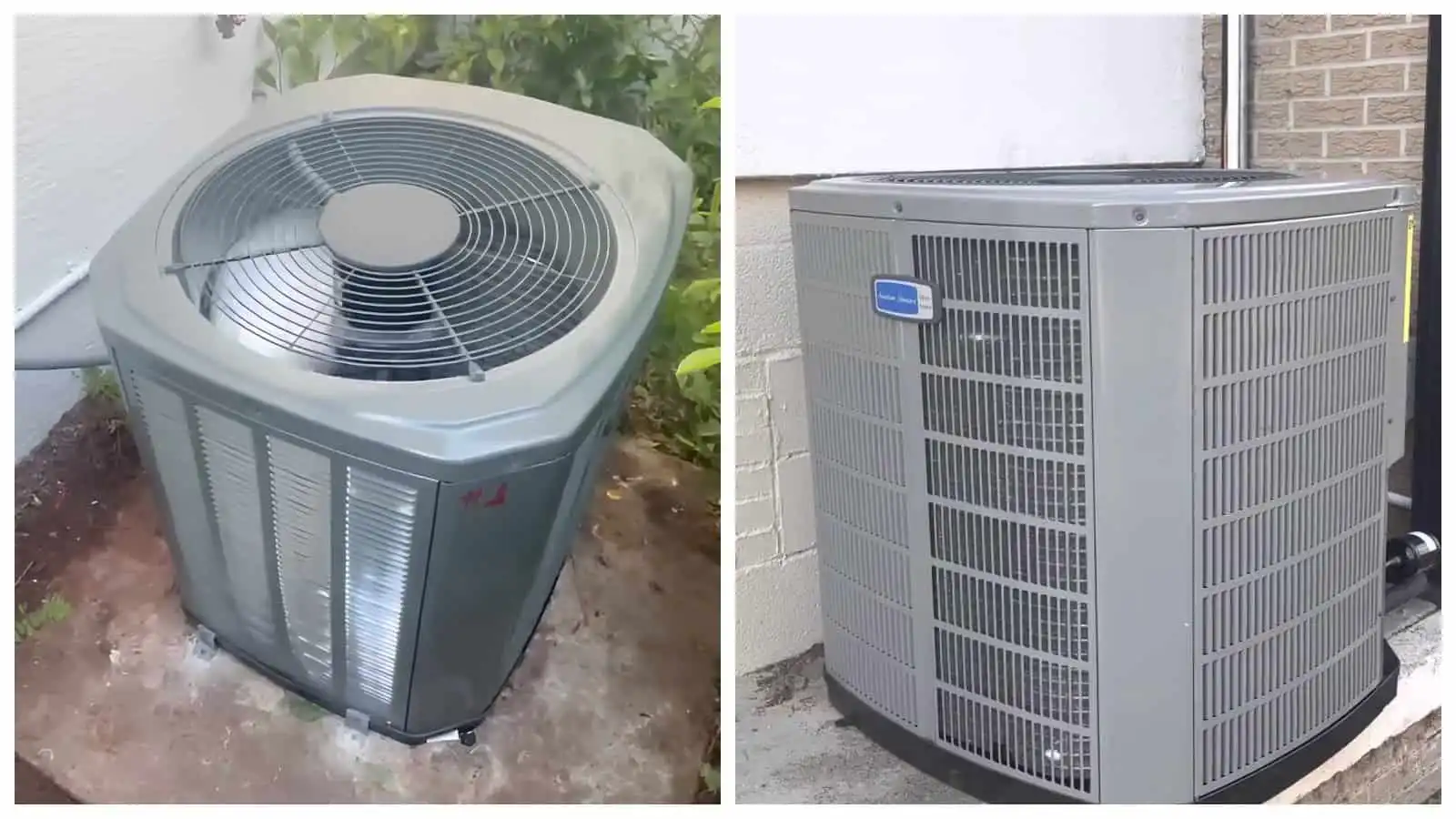
Trane has one of the strongest reputations in the industry for build quality. Its Climatuff compressor and the company’s extreme-weather durability testing are the reasons installers and homeowners tend to trust it for the long haul. Top variable-speed models like the XV20i hold a set temperature within about half a degree and run very quietly. The tradeoff is price: Trane sits at the higher end, and parts can cost more.
American Standard is essentially the same equipment. The two brands share engineering and components under the same parent company, and American Standard often costs a little less for comparable performance. If you want Trane-level durability without the Trane name premium, it’s a smart place to look.
For most Southern California homes, this tier is overkill on heating capacity but excellent on cooling and longevity, which matters more here given how hard systems run from June through September.
Carrier and Bryant: Premium and Value Under One Roof
Want help choosing?
The right brand depends on your home, not on a list. We install across every major manufacturer and will tell you what actually suits your setup.
Same-day service when available. Licensed and insured, CSLB #1135270.
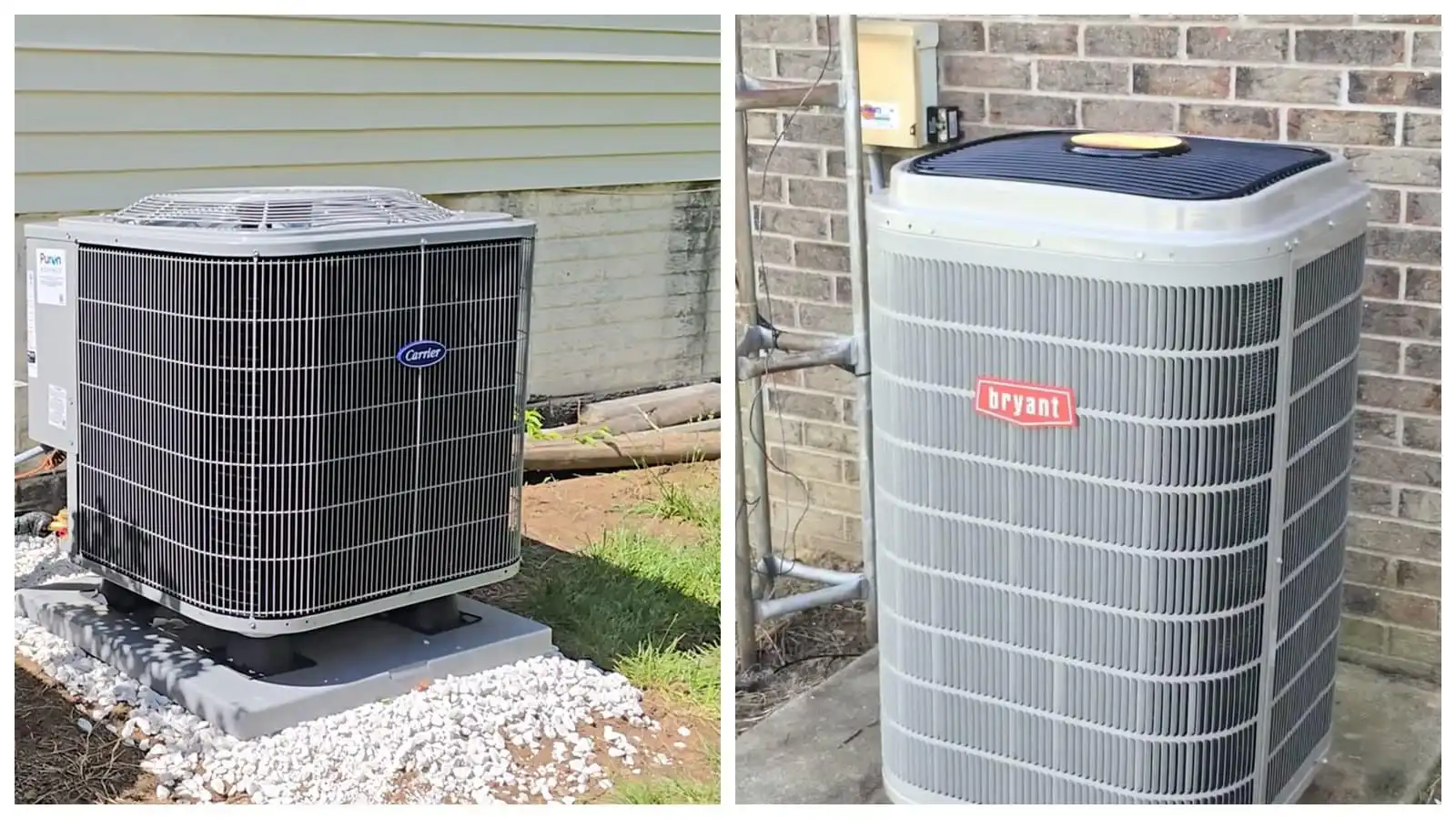
Carrier is the brand most people recognize, and for good reason. Its lineup covers high-efficiency variable-speed systems with strong humidity control and smart-home connectivity. Carrier is a safe, widely supported choice with broad parts availability across the region.
Bryant is Carrier’s sister brand, built on much of the same technology at a lower price point. If you like Carrier’s engineering but want to spend less, Bryant covers most of the same ground with a wide range of models. For a lot of homeowners, a mid-tier Bryant delivers the performance they actually need without paying for the top-of-line badge.
Both are dependable. The choice between them usually comes down to budget and which efficiency tier fits your home.
Lennox: The Efficiency Leader
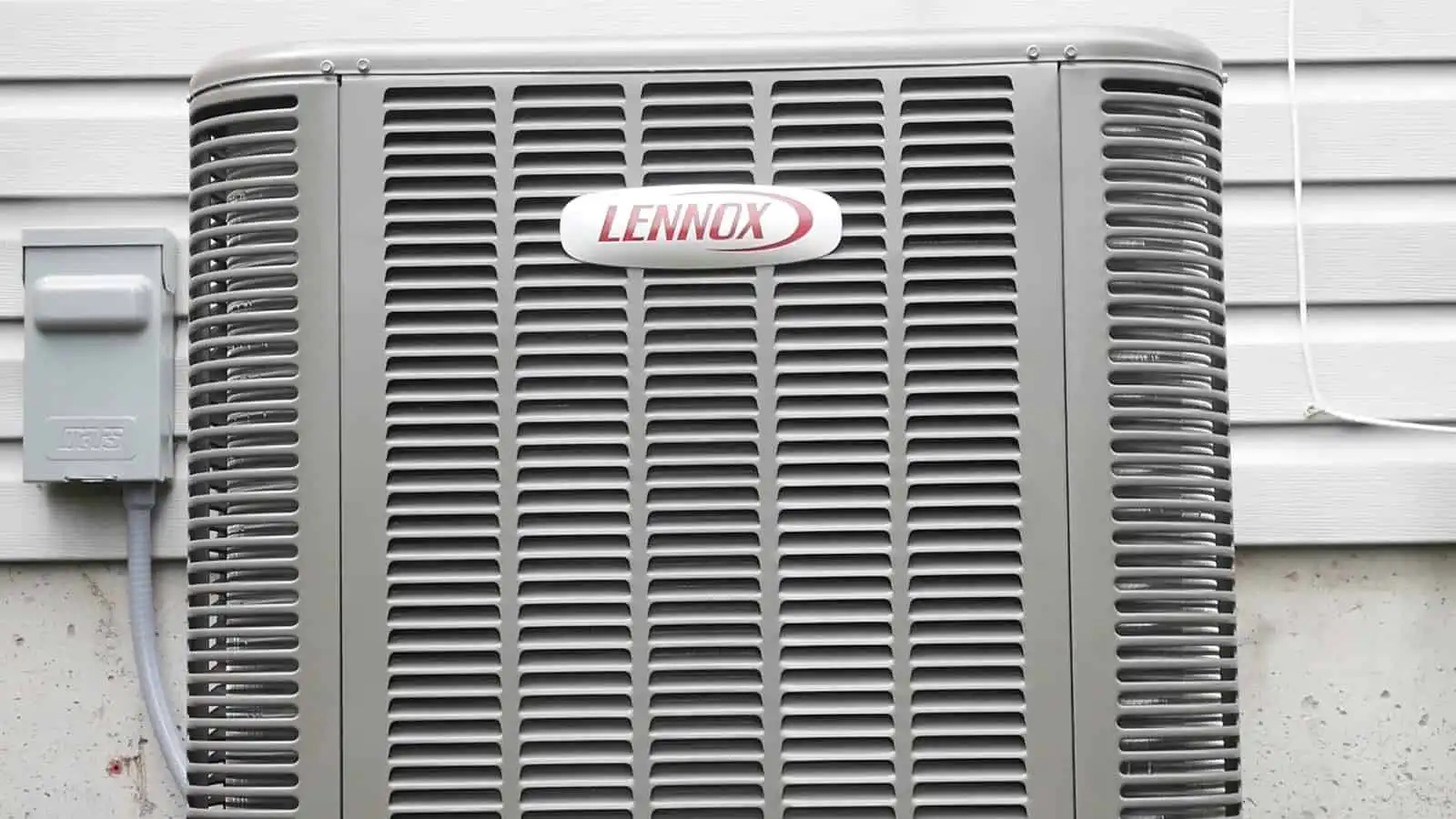
If lowering your monthly bills is the priority, Lennox is hard to beat. Its premium systems reach some of the highest SEER2 ratings on the market for a ducted system, up to around 24 on top models, and they run quietly, which is a real benefit on a system that cycles constantly in summer.
The tradeoff is that Lennox uses some proprietary parts, so service depends more on having an installer who works with the brand. When matched to the right home and installed well, though, the efficiency gains are genuine, and for a Southern California cooling load they can add up over the life of the system.
Curious which efficiency tier actually pays off for your home and your bills? A quick assessment answers that before you spend a dollar.
“Prompt, knowledgeable, and left my home clean. I couldn’t be happier.”
Christina W. (Santa Clarita), ⭐️⭐️⭐️⭐️⭐️ Google Review
Goodman: The Value Option, and What “Budget” Really Buys
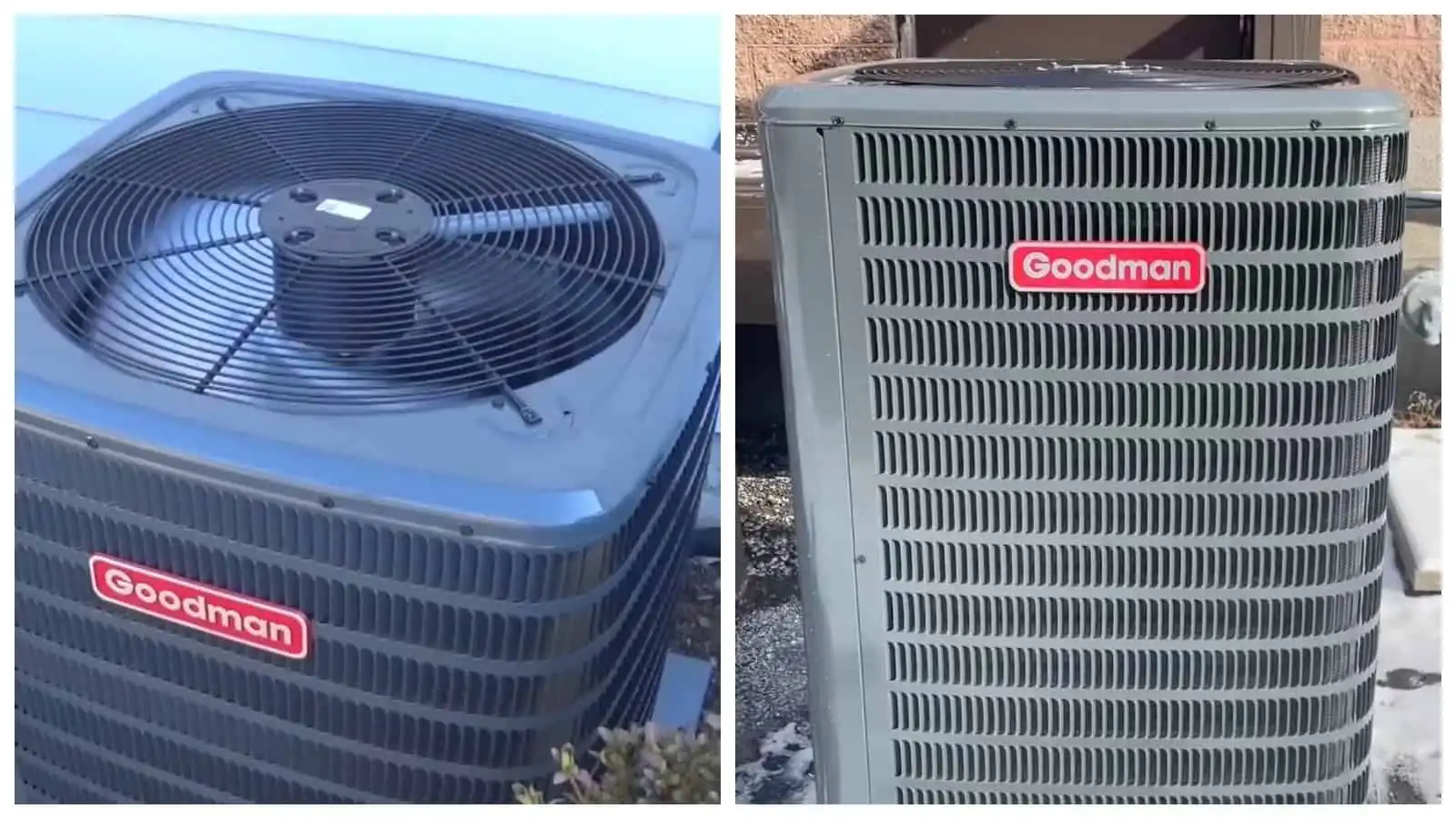
Goodman is the brand people mean when they ask about “heat pump brands to avoid,” and that reputation is mostly outdated. Goodman is owned by Daikin, one of the largest HVAC manufacturers in the world, and its current equipment is a legitimate value choice with solid warranties. It won’t match the efficiency ceiling or the refinement of a premium Trane or Lennox, but for a straightforward replacement on a budget, it’s a reasonable system.
Where “budget” actually becomes a problem is with true off-brand or no-name units, and with cheap installs. That’s the real thing to avoid, not Goodman specifically.
If budget is your main constraint, a properly sized and well-installed Goodman will serve a Southern California home well. Pair the brand decision with our guide to heat pump costs in Los Angeles and Ventura County so you know what your real number looks like.
Heat pump vs window AC. A window unit cools a single room and, in most cases, only cools. A whole-home heat pump conditions the entire house and heats it too. These solve different problems. Window units are a stopgap for one room, not a comparison point for a full-home system.
Best Ductless and Mini-Split Heat Pump Brands
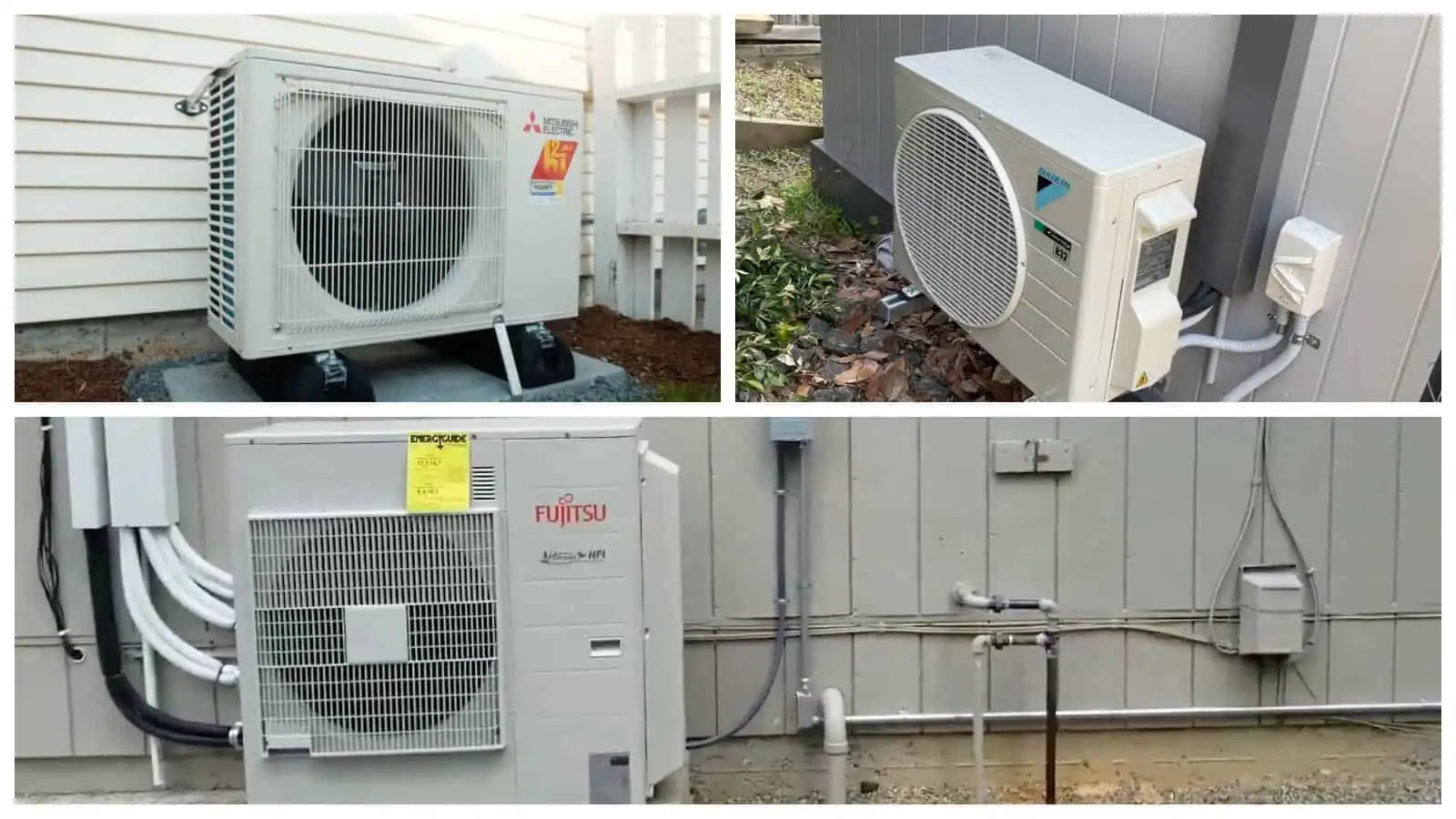
If your home has no ductwork, has a room addition, or needs zone-by-zone control, a ductless mini-split heat pump is often the better path, and the brand leaders are different here.
Mitsubishi is the standout. The company helped invent the modern mini-split, and its systems are known for reliability and strong cold-weather performance, with some single-zone models hitting very high SEER2 ratings. Daikin is the other global heavyweight, with deep in-house manufacturing and a broad lineup. Fujitsu rounds out the top tier with efficient, quiet systems and good multi-zone flexibility.
For most Southern California homes, any of these three is an excellent ductless choice. The decision usually comes down to zoning needs and budget rather than a meaningful quality gap.
Which Heat Pump Brand Is Best for Your Southern California Home?
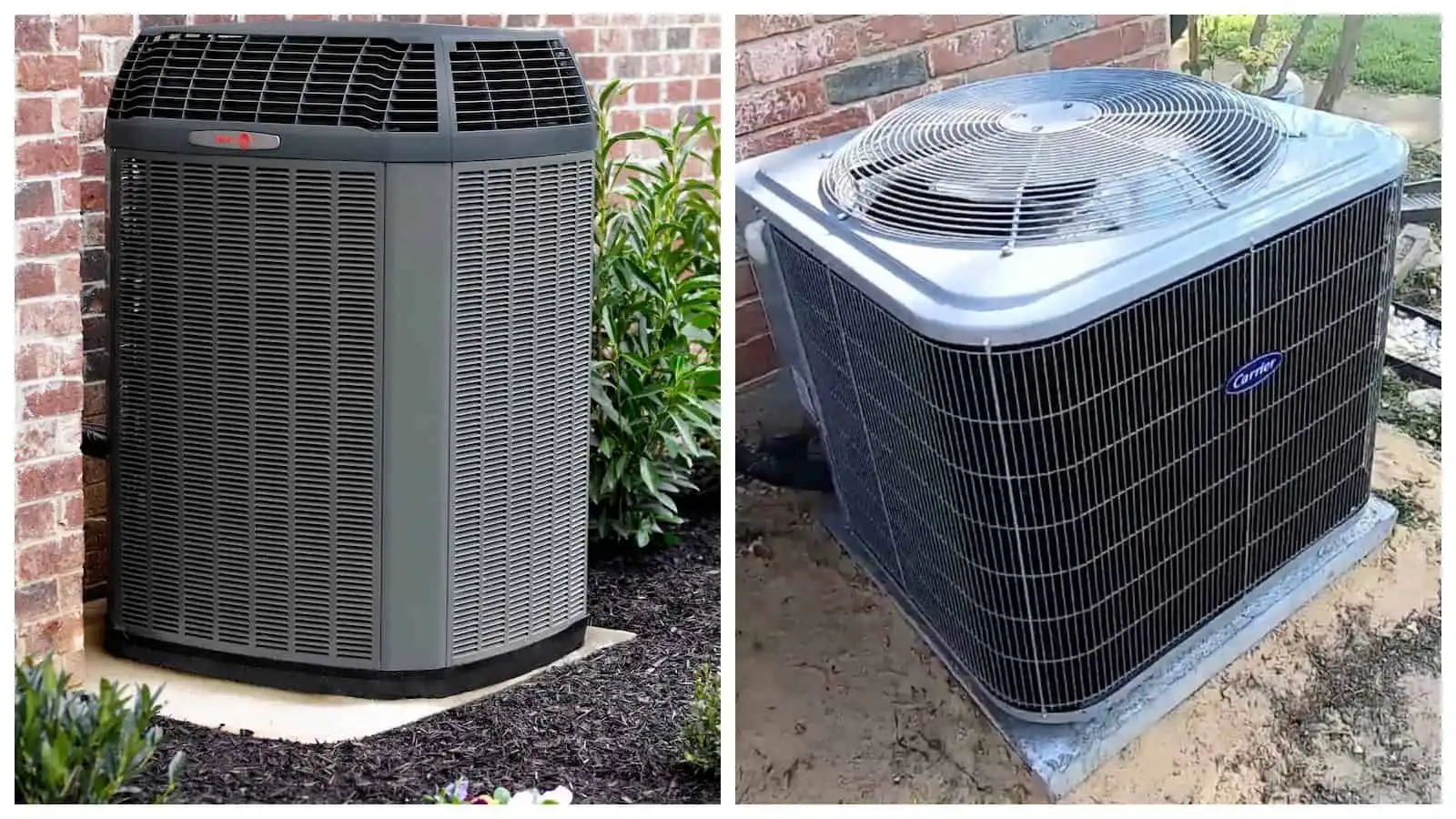
Here’s the part that matters most. The best brand for your neighbor isn’t automatically the best brand for you, and the badge is only part of the decision.
A few practical guidelines for homes in LA and Ventura County. If durability and resale confidence are the priority, Trane or American Standard. If you want the lowest possible energy bills, Lennox. If you want a dependable, widely supported system at a fair price, Carrier or Bryant. If budget is tight, a properly installed Goodman. And if you don’t have ductwork, Mitsubishi, Daikin, or Fujitsu.
Two Southern California details are worth raising before you buy. First, if your home is near the coast, in Malibu, Oxnard, or along the Ventura shoreline, salt air corrodes standard condenser coils and can cut years off an outdoor unit’s life. For coastal homes, ask about corrosion-resistant or factory-coated coils, which the major brands offer, and plan for more frequent maintenance. Second, on the tight lots common across the Valley and the Westside, noise matters. A quiet variable-speed system from Trane, Lennox, or Carrier runs low enough to help you stay within city and HOA noise limits and keep things easy with close neighbors.
But the single biggest predictor of whether you’ll be happy in ten years isn’t the brand. It’s sizing and installation. That’s why proper heat pump sizing matters more than chasing a specific label. The right installer will recommend the brand that fits your home and your budget, not the one with the biggest markup.
On cost, factor in incentives too. The federal heat pump tax credit of up to $2,000 is locked in through 2032, and depending on funding, California state and utility rebates can often be stacked on top of it to lower your out-of-pocket cost. We cover the current active options in our guide to California heat pump rebates. We cover the current options in our guide to California heat pump rebates. You can also cross-check efficiency ratings independently through ENERGY STAR before you commit.
Picking a brand is easier when someone walks your home and tells you straight what fits. That’s what our free assessment is for.
“This HVAC company recently helped one of my clients and they did a solid job. They showed up fast, got the work done properly, and made the process simple. I appreciate how they handled it and my client was satisfied with the results.”
Real estate referral, ⭐️⭐️⭐️⭐️⭐️ Google Review
Frequently Asked Questions
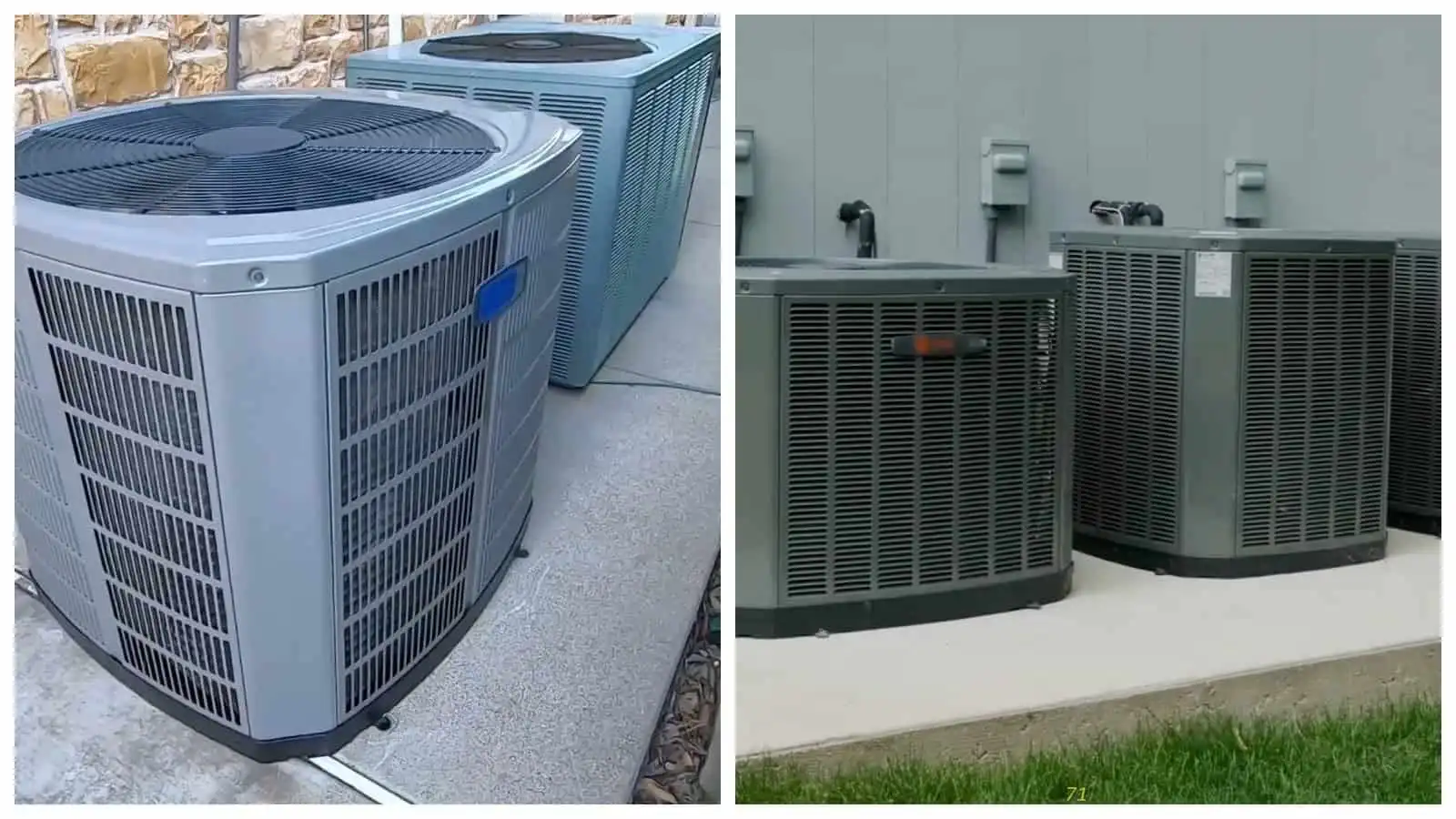
What is the most reliable heat pump brand?
Trane and American Standard have the strongest reputations for long-term durability, thanks to shared engineering and heavy-duty compressors. Carrier and Lennox are close behind. That said, reliability depends heavily on correct sizing and quality installation, which influence lifespan as much as the brand does.
What is the most efficient heat pump brand?
Lennox makes the most efficient residential ducted heat pumps, with top models reaching SEER2 ratings up to around 24. High-end Carrier systems are also very efficient. For ductless setups, Mitsubishi and Daikin lead, and mini-splits can reach even higher SEER2 numbers than ducted systems.
Are Carrier heat pumps good?
Yes. Carrier is one of the most established and widely supported brands, with strong variable-speed systems, good humidity control, and broad parts availability. Its sister brand Bryant offers similar technology at a lower price.
Which heat pump brand is best for Southern California?
For most Southern California homes, the priority is cooling performance and durability through hot summers rather than extreme cold-climate heating. Trane, American Standard, Carrier, Lennox, and Bryant all suit the climate well, with Goodman as a budget option and Mitsubishi or Daikin for ductless homes.
What heat pump brands should I avoid?
Be cautious with true no-name or off-brand units that have limited parts availability and weak warranties. The bigger risk, though, is a cheap installation. A budget system installed correctly will outlast a premium system that was oversized or poorly charged.
Does the brand or the installer matter more?
Both matter, but installation quality is the bigger factor in how long your system lasts and how well it performs. A correctly sized, properly installed mid-tier heat pump will outperform a premium unit that was rushed.
Talk to Someone Who Installs These Systems Every Week
Choosing a heat pump brand is a lot easier when you’re not doing it from a spec sheet alone.
Call 747-222-6259 or request your free estimate through our contact page to get clear, honest guidance before you buy.