Key Takeaways
- Yes, heat pumps can work in cold weather, even in Southern California winters.
- “Cold” is relative to the climate; LA and Ventura County winters are mild.
- Efficiency decreases a bit as it gets colder outside, but homes remain comfortable.
- Longer run times, defrost cycles, and cooler air are normal operational behaviors, not system failures.
- Mini-split and ductless systems perform well in mild Southern California winters.
- In Southern California, homes seldom need a backup heat source.
- How a system is installed, sized, and maintained is more important than the temperature it is set to.
- They also rely on local heat and produce a constant supply of energy-efficient warmth.
- There are misconceptions, often fueled by comparison with furnaces’ bursts.
- A professional inspection optimizes winter running.
If you’ve ever wondered whether a heat pump can keep your home warm on cool nights, you’re definitely not alone. Many homeowners receive conflicting advice online. Some sources say that heat pumps are useless in winter. Others insist they work anywhere. The truth lies in context.
“Cold weather” is very relevant to your climate. A Minnesota freezing night is not the same as a balmy 45-50°F in Los Angeles. The winters in Southern California are short, which means they are mild and never get much colder than freezing. This blog is about how heat pumps perform in LA and Ventura County homes, not in regions that experience extreme sub-freezing temperatures.
By the end, you’ll know how heat pumps perform in cold weather, why some people mistakenly believe they fail, and how your system can be a dependable source of heat on all but the most frigid winter days.
What People Mean by “Cold Weather” (And Why Context Matters)
The term “cold weather” is often misunderstood. Most national articles or general advice seem to assume sub-freezing temperatures. Actually, wintertime temperatures in Southern California average around 45°F and 65°F during the day, with inland areas dipping down to around 40°F at night. Nights can be cool, but days are warm, far from conditions in northern or mountainous regions.
Therefore, many of the reasons that heat pumps can cool in winter do not really apply here. The performance is a function of how cold it is and how long the cold temperature persists. In LA and Ventura County, cold snaps are brief and gentle, so heat pumps can keep things comfortable without going to unusual lengths.
Homeowners sometimes observe that heat pumps run longer cycles in winter. This is normal. The system operates by drawing heat out of cooler outdoor air, which is more difficult than cooling the air during summer. The longer runtime doesn’t mean failure; it means the system is responding to external temperature.
Local climate context is a big factor. “Cold weather” information released by national outlets tends to overstate the risks for LA and Ventura County homeowners. If installed correctly, a heat pump can provide efficient heating and save on energy costs throughout the mild winter.
“Our heater broke out overnight, so I contacted for emergency HVAC service. The speed with which they answered astounded me. The technician did not attempt to upsell anything superfluous; instead, he guided me through every step of the process. Fantastic experience.”
Milard Sinto, ⭐️⭐️⭐️⭐️⭐️ Google Review
Do Heat Pumps Actually Work in Cold Weather?
The short answer is yes. These heat pumps are designed to transfer heat from outside into the house, including during periods when the outdoor air is relatively cold. They don’t produce heat like a furnace. Instead, they transfer it. Today’s heat pumps can work well even below freezing, but efficiency falls as outdoor air gets colder.
“Working” does not mean working at peak efficiency. Heat pumps may run more and consume more energy per hour during cold snaps. This is normal. They are still cozy and effective and can keep homes warm just fine in most Southern California weather, if not quite sufficiently on their own.
Homeowners generally fret that their heat pumps will not work when temperatures fall to the 40s or even the low 30s. In Southern California, temperatures rarely reach the low 30s; local winters are very unlikely to drop to a point where you won’t have enough heat. With a properly sized and maintained system, mild winters with stable indoor temperatures will be handled, keeping the home warm.
“Fast and friendly service!”
Ermilo Pech, ⭐️⭐️⭐️⭐️⭐️ Google Review
How Heat Pump Efficiency Changes as Temperatures Drop
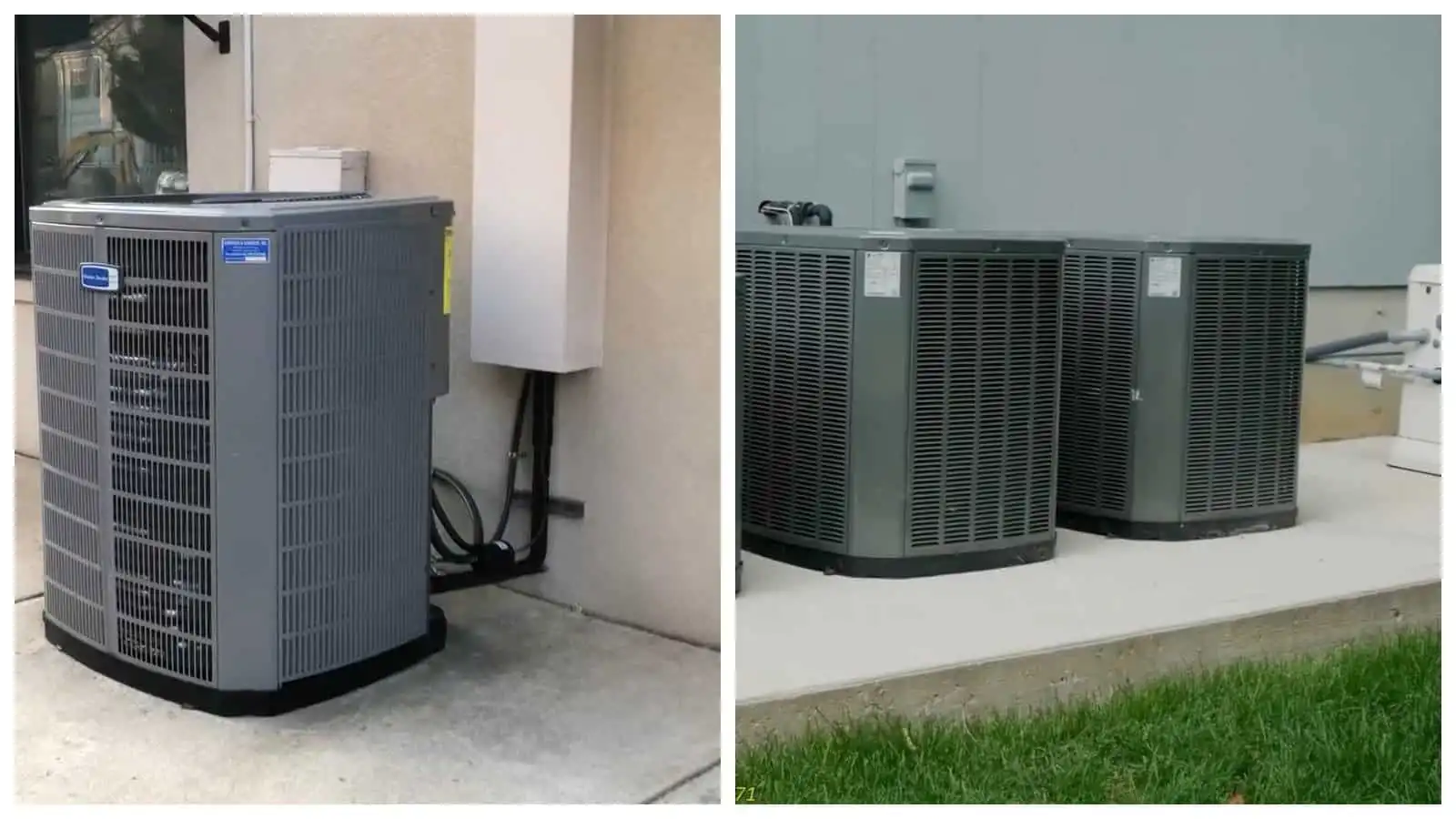
Heat pumps transfer heat from outdoor air into your home. In winter, when outdoor temperatures are cold, this task becomes a little more difficult. The system runs to maintain comfort, so some homeowners believe it is “inefficient” or “not working.” Indeed, a very limited runtime is something we should expect and does not indicate a failure.
Efficiency loss is gradual. Newer heat pumps maintain comfort even during brief cool snaps, but energy use per hour ramps up as the system has to work harder. In Southern California, the decrease in efficiency is manageable. Homeowners can enjoy stable levels of comfort without sudden bursts of energy use.
Efficiency should not be confused with comfort. You may find that your heat pump runs longer, but you’ll still be toasty. So that’s what sometimes makes people concerned about heat pumps in cold weather, and this is why.
“This HVAC company recently helped one of my clients and they did a solid job. They showed up fast, got the work done properly, and made the process simple. I appreciate how they handled it and my client was satisfied with the results. I recommend them for anyone needing HVAC”
K, ⭐️⭐️⭐️⭐️⭐️ Google Review
Why Some Homeowners Think Heat Pumps Don’t Work in Winter
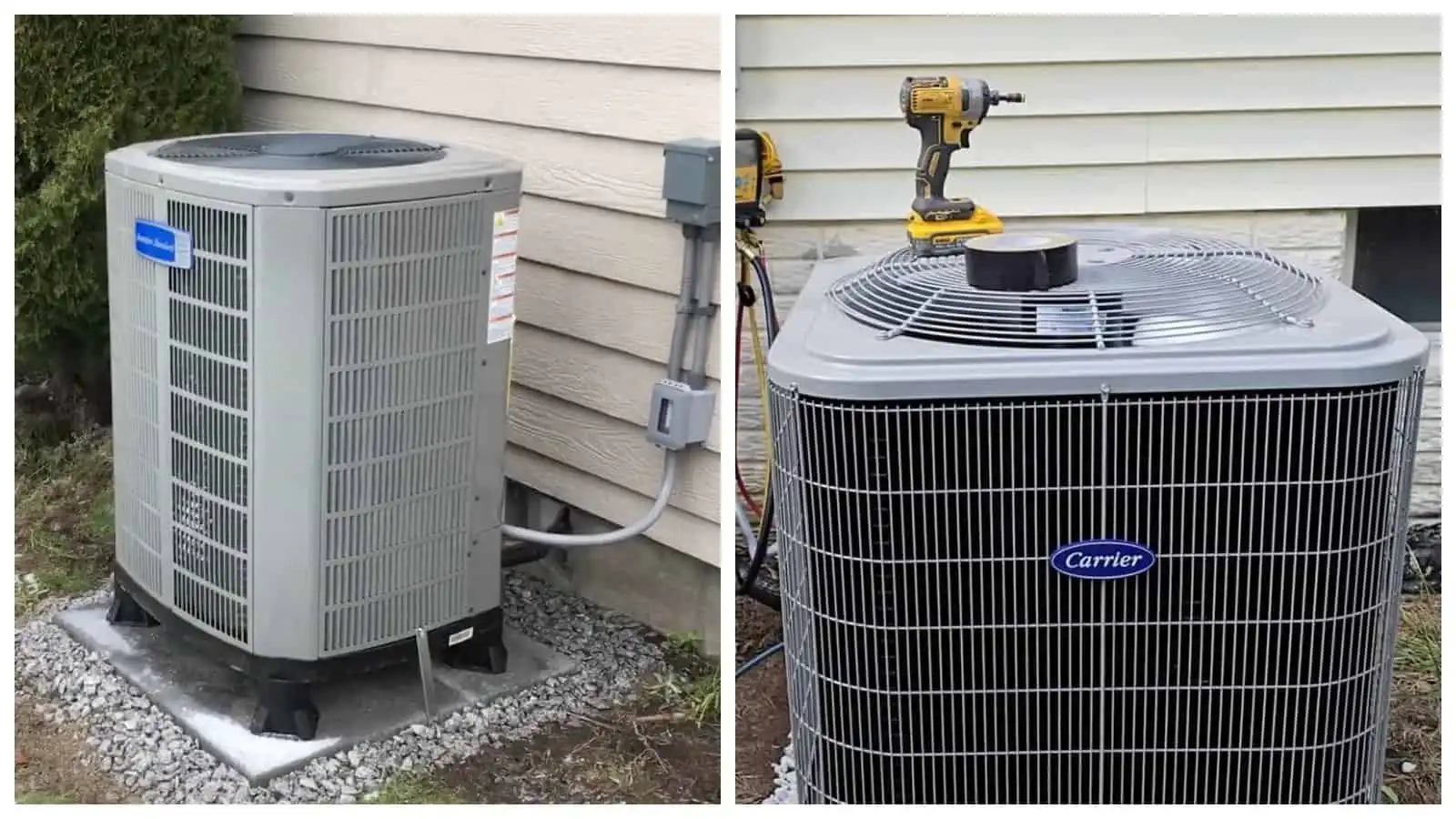
Much of the misinformation about heat pumps stems from the fact that they work differently from furnaces. Furnaces have blasts of hot air. Heat pumps offer continuous, more gentle warmth. This discrepancy may feel as if the system is “blowing cool air,” particularly when it’s cooler outside.
Homeowners also think that heat pumps do not work as well because:
- Longer cycles: In cold weather, systems run longer, and it can seem strange.
- Defrost cycles: Outdoor coils can frost up in cold, damp weather. Then the machine reverses and melts the frost, which may create a brief cool breeze.
- Improper sizing or installation: If a system is too small, performance will vary, raising questions about reliability.
These are operational idiosyncrasies, not failures. Well-installed systems in Southern California will heat consistently and comfortably.
“Great value for the money! Their pricing is fair, and the quality of work is outstanding. Definitely my go-to from now on.”
Yuliya Dudenko, ⭐️⭐️⭐️⭐️⭐️ Google Review
Do Heat Pumps Need Backup Heat in Southern California?
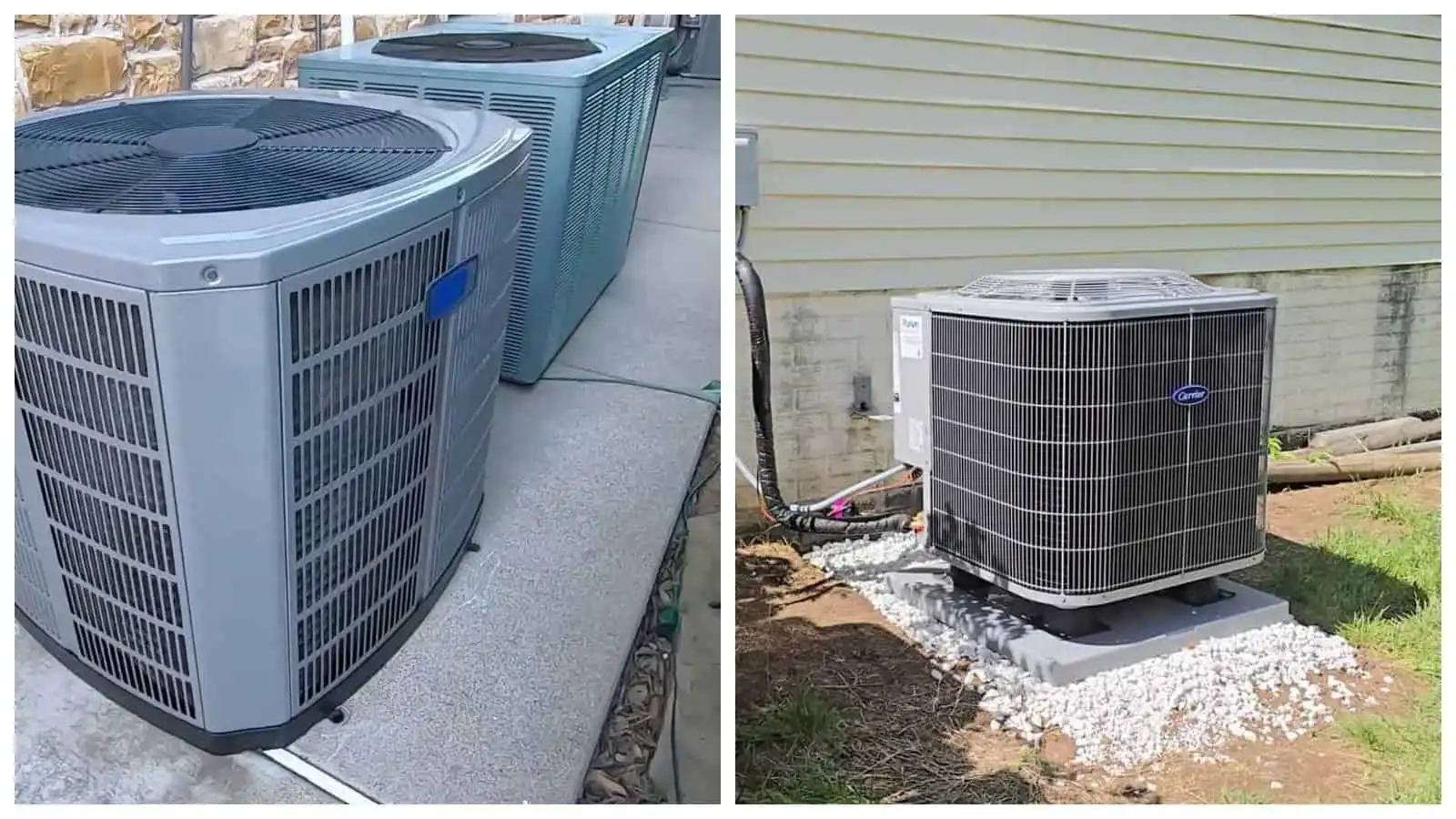
Backup or auxiliary heat exists for extreme conditions. Some homes also have electric resistance coils or gas furnaces to supplement heating when it gets cold. In Southern California, that backup hardly ever kicks in. Most heat pumps produce enough heat without extra help; winters are mostly warm.
Backup heat is used only during extended cold conditions or if the system is slightly undersized. The systems we design for your home do not require backup; it is rarely needed in LA or Ventura County. Even if backup activates briefly, the system continues to operate efficiently.
Homeowners can trust that their heat pump will heat the residence sufficiently during local winters without requiring additional equipment.
“Great experience! The team was knowledgeable, efficient, and respectful of my home. They even followed up after the installation to make sure everything was working properly. Truly reliable, just like their name.”
Adem Atbas, ⭐️⭐️⭐️⭐️⭐️ Google Review
Mini-Split & Ductless Heat Pumps in Cold Weather
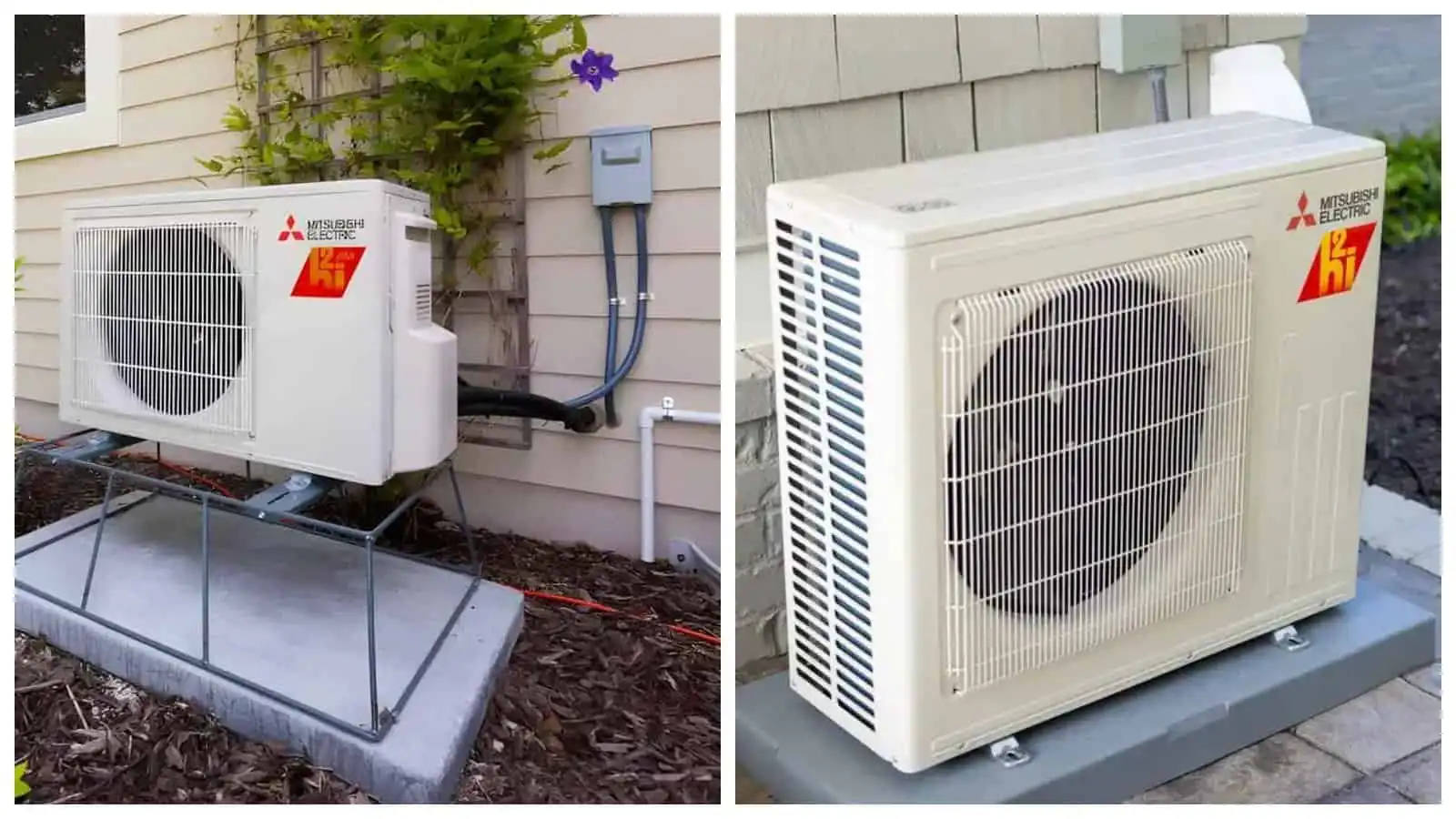
Both mini-splits and ductless heat pumps perform well in winter, even when outdoor temperatures plummet. These systems involve individual indoor units supplying heat to each zone, reducing energy loss through ducts. Thus, they are generally more comfortable than ducted systems under mild cold conditions.
Today’s mini-splits are designed for colder weather. Some also feature improved cold-weather technology for use near or just below freezing without the need for auxiliary heat. In Southern California, these are dependable indoor heaters for winter use, with low noise and consistent airflow.
Ductless systems can also be installed in more places. If you live near the coast and experience occasional warm winters, or live inland and have colder nights but warm days, then spot heating has distinct advantages. Correct sizing and quality of installation are crucial to ensuring the system provides effective heating for your home.
“One of the properties we had listed for sale had a heater issue and we needed it repaired ASAP. Reliable Heating and Air came out same day, quoted, found needed parts and fixed the heater same day.”
Ronen (Elevate Luxury Living), ⭐️⭐️⭐️⭐️⭐️ Google Review
When Cold Weather Does Become a Problem for Heat Pumps
Southern California heat pumps hardly ever need this service, but they’ll run into performance issues in the following cases:
- Sizing issues: A system that’s too small will cycle so inefficiently that it can seem like not enough heat.
- Older-generation equipment: Older heat pumps may be less effective during brief cool snaps.
- Bad ductwork or airflow: Leaks, restrictions, or dirty ducts prevent heat from getting anywhere.
- Homes with unusual heat loss: Over-sized or under-insulated areas may need more heating.
These are the exceptions, not the norm. The majority of properly sized and maintained systems deliver reliable service during mild winters.
“Just a great find! I’m so happy I came across this HVAC company! They’re very professional and punctual. I love how detail oriented they are, and I highly recommend them to everyone! thank you!”
AS, ⭐️⭐️⭐️⭐️⭐️ Google Review
Do Heat Pumps Make Sense for LA & Ventura County Winters?
Southern California has a brief, mild winter. Heating demand is sporadic but modest, and then cooling demand takes over for the rest of the year. Heat pumps fit this usage pattern very well. They emit a quiet, steady warmth instead of the on-and-off blasts of a furnace to keep your house comfortable on those cold winter nights and early mornings.
Homeowners doing both a furnace and an AC at the same time often discover that a single heat pump can handle both heating and cooling effectively. The system is active mainly in the evenings and during the shoulder seasons, ensuring indoor temperatures remain comfortable with minimal energy use.
For localized conditions, heat pumps will provide even performance and won’t require significant reliance on backup heat. This is what makes them a cost-effective and efficient option for LA and Ventura County homes.
“This review is overdue. I had an emergency at the house when it was 110 degrees in the valley and the price quotes that I got were outrageous. Thank God I came across this company as the technician was fast to respond and at a very reasonable price. Fixed the issue same day!”
Kristina Kutsina, ⭐️⭐️⭐️⭐️⭐️ Google Review
Heat Pump vs Furnace in Cold Weather
When you compare heat pumps to conventional furnaces in Southern California, you can see how climate aspects affect their performance:
- Consistency of comfort: Heat pumps provide a steady flow of warm air, while furnaces cycle on and off.
- Energy use: On days when energy consumption is high, heat pumps still maintain comfort while using far less energy than a gas furnace may require in extreme winter conditions.
- Noise and cycling differences: Heat pumps operate very quietly, eliminating the noisy blasts of older heating systems.
The best system depends on climate and household patterns. Climate and household patterns determine which to use. Heat pumps are often well-suited to local needs in LA and Ventura County.
“Two days ago, my air conditioner suddenly broke down, and I called this repair service. The technician was talented and quick, and the service was affordable. I’d recommend them to anyone!”
Vhon Valenzuela, ⭐️⭐️⭐️⭐️⭐️ Google Review
When a Heat Pump Is the Right Choice (And When It’s Not)
Heat pumps may be the perfect answer for many Southern California homes, but they are not always the best fit for every home. They work well when:
- Homeowners are replacing both a furnace and an AC system
- Electrification or energy efficiency goals are a priority
- Heating needs are moderate, with mild winters and short cold spells
- Long-term ownership is expected
A furnace could still be appropriate in homes with atypical heating needs, poor insulation, or layouts that complicate a heat pump’s operation. Hybrid systems, however, can still provide heat pump efficiency while offering furnace backup in those situations.
The determining factor here will be how much cold-weather use you make of your home or need to plan for, rather than the sort of blanket statements about “cold weather” performance that sprinkled previous explanations.
“My AC stopped working, so I found this company online. They responded quickly and arrived within a few hours. The technician diagnosed the issue, replaced the motor, and had my system up and running the same day. Excellent service. I highly recommend them to anyone needing AC repair!”
Matin Sed, ⭐️⭐️⭐️⭐️⭐️ Google Review
FAQs: Heat Pumps & Cold Weather
Do heat pumps work in cold weather?
Yes. Heat pumps remove heat from outdoor air, even cold air, and return it indoors. They’ll last longer in cooler weather, perhaps even 35 degrees and below, without cooling out, but can still afford consistent comfort.
At what temperature do heat pumps lose efficiency?
Efficiency will decrease with lower ambient outdoor temperatures. In Southern California, mild winter temperatures have yet to make a noticeable difference.
Why does my heat pump blow cool air in winter?
That means air is cycled constantly, and sometimes it will switch to defrost mode to remove frost. This may last for a very short time and feel like cool air, but it is normal.
Do heat pumps stop working below freezing?
Today’s systems are still operating below the freezing point, with only a very small efficiency drop. Very rarely do Southern California winters get cold enough to challenge properly installed units.
Do mini-split heat pumps work in cold weather?
Yes. Mini-splits and ductless systems perform well in mild winter climates. The right size of equipment will keep you comfortable.
Do electric heat pumps work in winter?
Yes. Electric heat pumps offer year-round comfort and dependable warmth during moderate winters without supplemental heating in the majority of LA & Ventura County homes.
Do heat pumps need backup heat in cold weather?
Few homes in Southern California ever need backup heat. Backup systems are used only in abnormally chilled or kept cool situations.
Do heat pumps make sense for Southern California winters?
Absolutely. In mild winter climates, many customers find heat pumps effective and reliable.
Final Takeaway for Southern California Homeowners
Heat pumps work in cold weather, but “cold” is relative to where you are. In Los Angeles and Ventura Counties, winters are cool enough to keep heat pumps humming reliably and efficiently, and backup isn’t needed much.
Performance is not so much determined by temperature as by how well the system was installed, its sizing, and maintenance. Well-installed and well-maintained heat pumps can make homes comfortable on even the coldest winter nights.
It’s not national guidance or worst-case scenarios that homeowners should be concerned about, but the weather in their area and the condition of their system.
Get a Local Heat Pump Performance Evaluation
If you’d like peace of mind about how your heat pump will handle winter in your home, the next step is a local assessment. A professional assessment can tell you whether your system is the right size, functioning efficiently, and maintaining even comfort without wasting energy.
If you want clear guidance on whether a heat pump installation will meet your winter heating needs, you can schedule a climate-specific evaluation for your Los Angeles or Ventura County home.