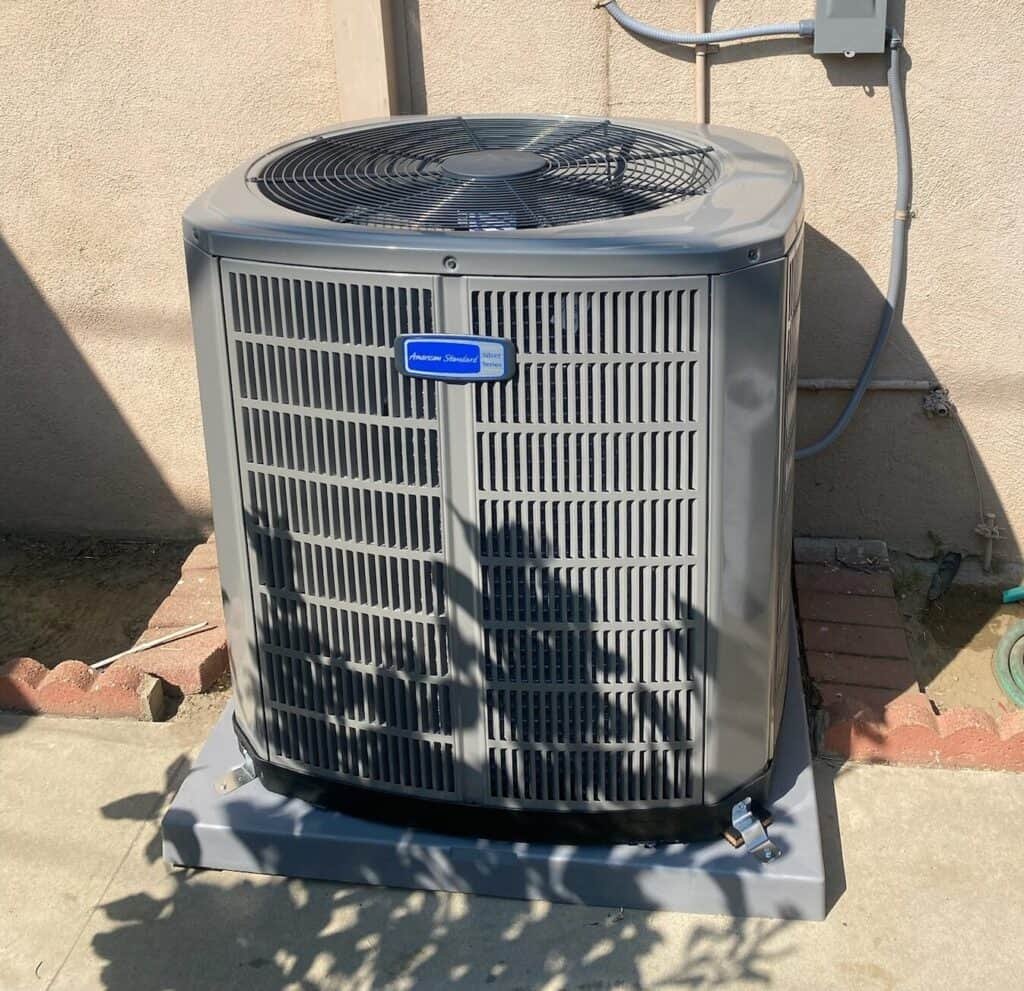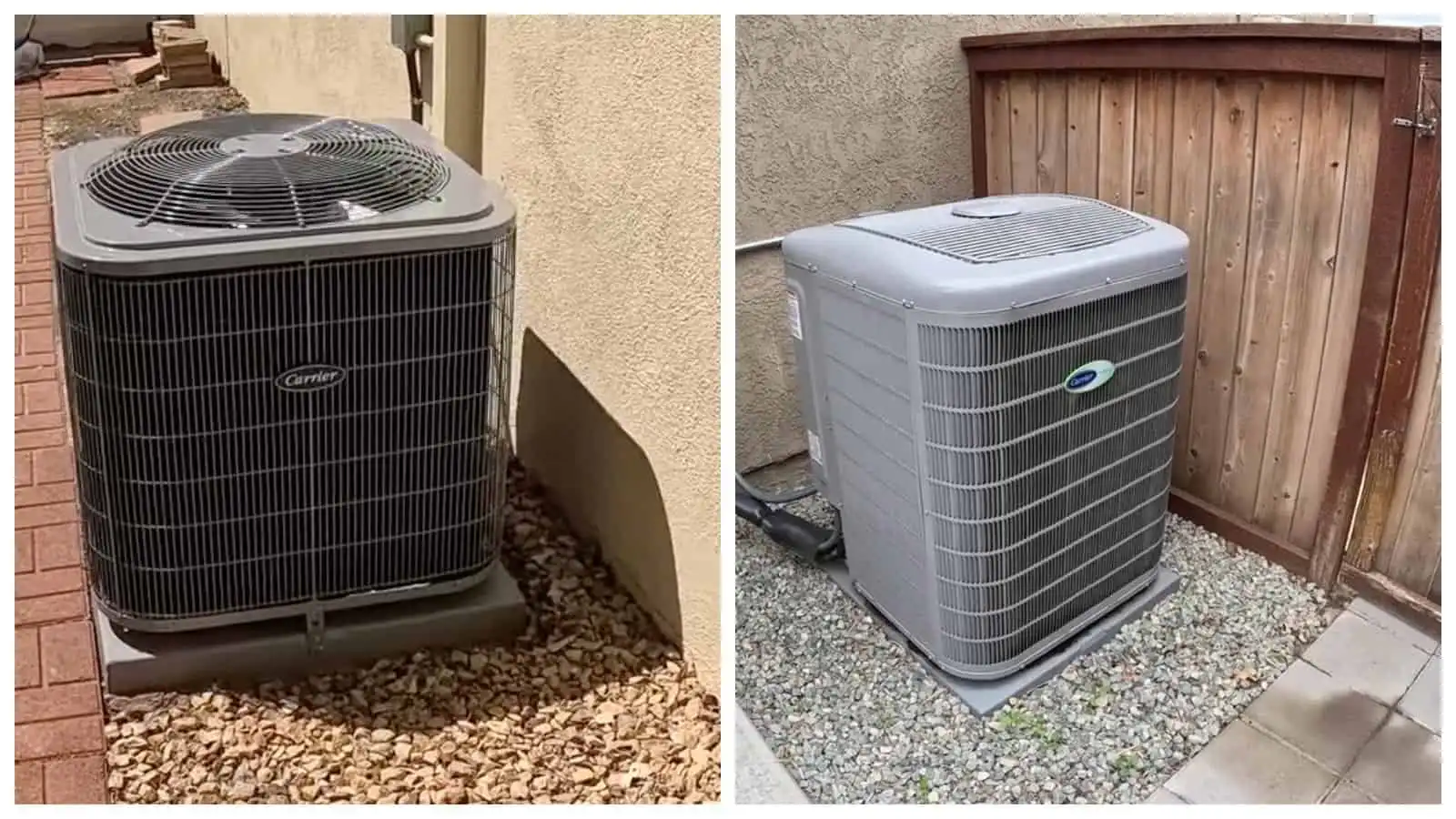
If you are staring down a dying air conditioner and a quote that mentions both “AC” and “heat pump,” the first thing worth knowing is that these are not two completely different machines. In cooling mode, a heat pump and an air conditioner are essentially the same thing. The heat pump just does one extra job.
Key Takeaways
- For most Los Angeles and Ventura County homes replacing an aging AC and furnace together, a heat pump is the stronger long-term choice: it cools exactly like an AC and adds heating in one system.
- In cooling mode, a heat pump and an air conditioner are mechanically the same. The heat pump adds a reversing valve so it can also run backward to heat.
- The 2026 R-454B refrigerant transition adds 5-10% to equipment costs compared to the older R-410A systems, typically $500-$2,000 depending on system tier.
- They cool identically. A 16 SEER2 heat pump and a 16 SEER2 AC deliver the same cooling at the same efficiency, so neither one cools “better.”
- A heat pump runs roughly $1,000 to $3,000 more upfront than a comparable cooling-only AC, because it includes heating hardware an AC does not have.
- With SCE residential rates near 34.5 cents per kWh in 2026, a heat pump’s efficiency pays off most on the heating side, where it replaces gas or electric-resistance heat.
That single difference, the ability to heat, is what the entire heat pump vs AC decision comes down to. Once you understand it, the choice for your specific Southern California home gets a lot clearer. This guide breaks down how they compare on cooling, efficiency, cost, and lifespan, and which one makes sense depending on your situation.
The Short Answer: A Heat Pump Is an Air Conditioner That Also Heats
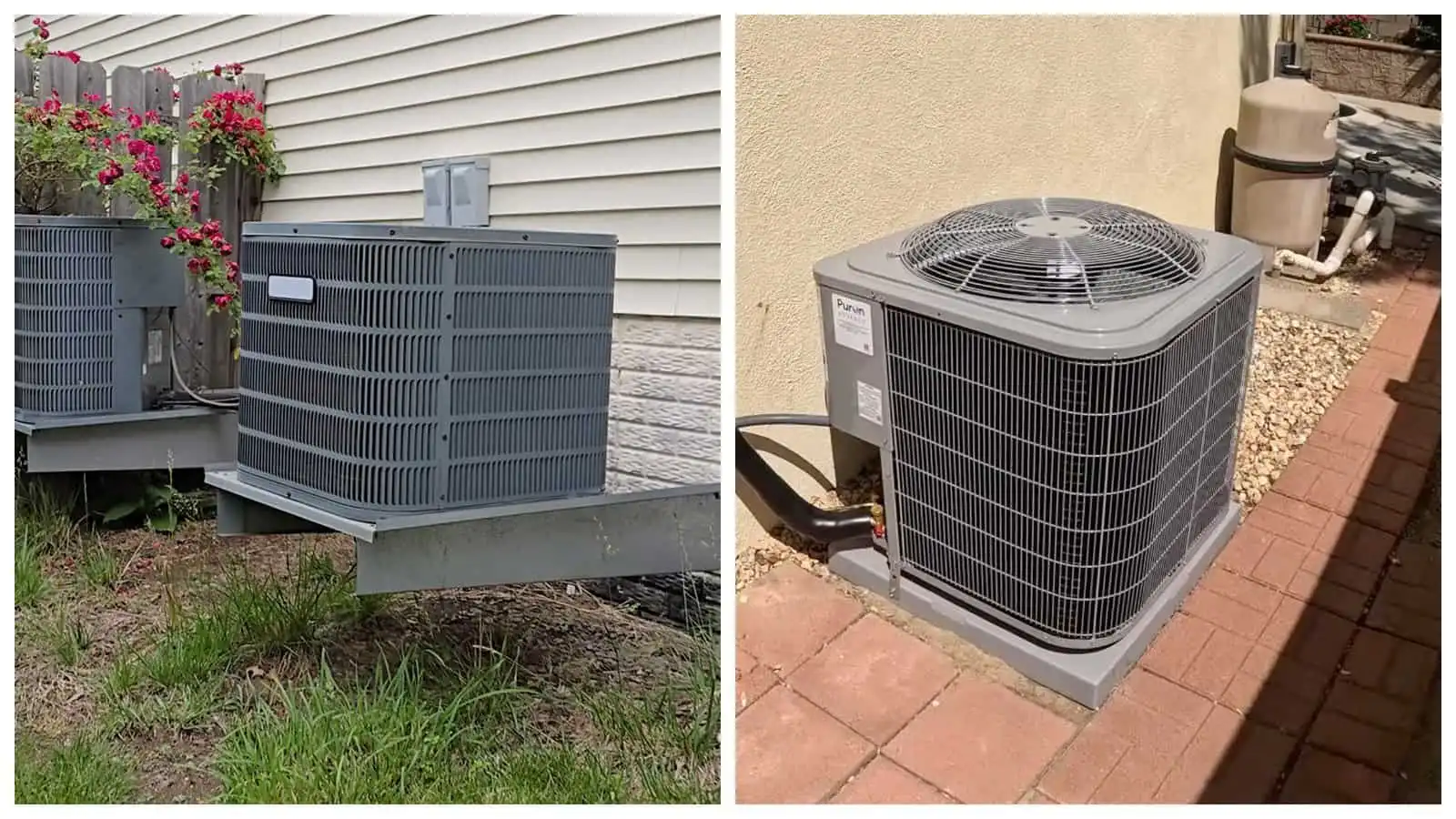
Both a heat pump and an air conditioner run on the exact same refrigeration cycle. A compressor pumps refrigerant through indoor and outdoor coils, and that refrigerant absorbs heat in one place and releases it in another. Neither machine “creates” cold. They both move heat from where you don’t want it to where you don’t mind it.
An air conditioner moves heat in one direction only: from inside your home to the outside. That is cooling, and it is the only thing an AC does.
A heat pump adds one component an AC lacks: a reversing valve. That valve lets the system run the cycle in either direction. In summer it pulls heat out of your house and dumps it outside, exactly like an AC. In winter it runs in reverse, pulling heat from the outdoor air and moving it inside to warm the house. Same hardware, one extra capability.
So in July, a heat pump in your backyard is doing the identical job an air conditioner would do, with the identical components. If you want the full mechanical picture, our guide to how heat pumps actually work walks through the cycle step by step. One more thing that often confuses buyers: refrigerant is not a difference between the two. Any new system built today, heat pump or AC, ships with a modern low global warming potential refrigerant like R-454B or R-32, because manufacturers stopped building new R-410A equipment in 2025.
Do a Heat Pump and an AC Cool the Same?
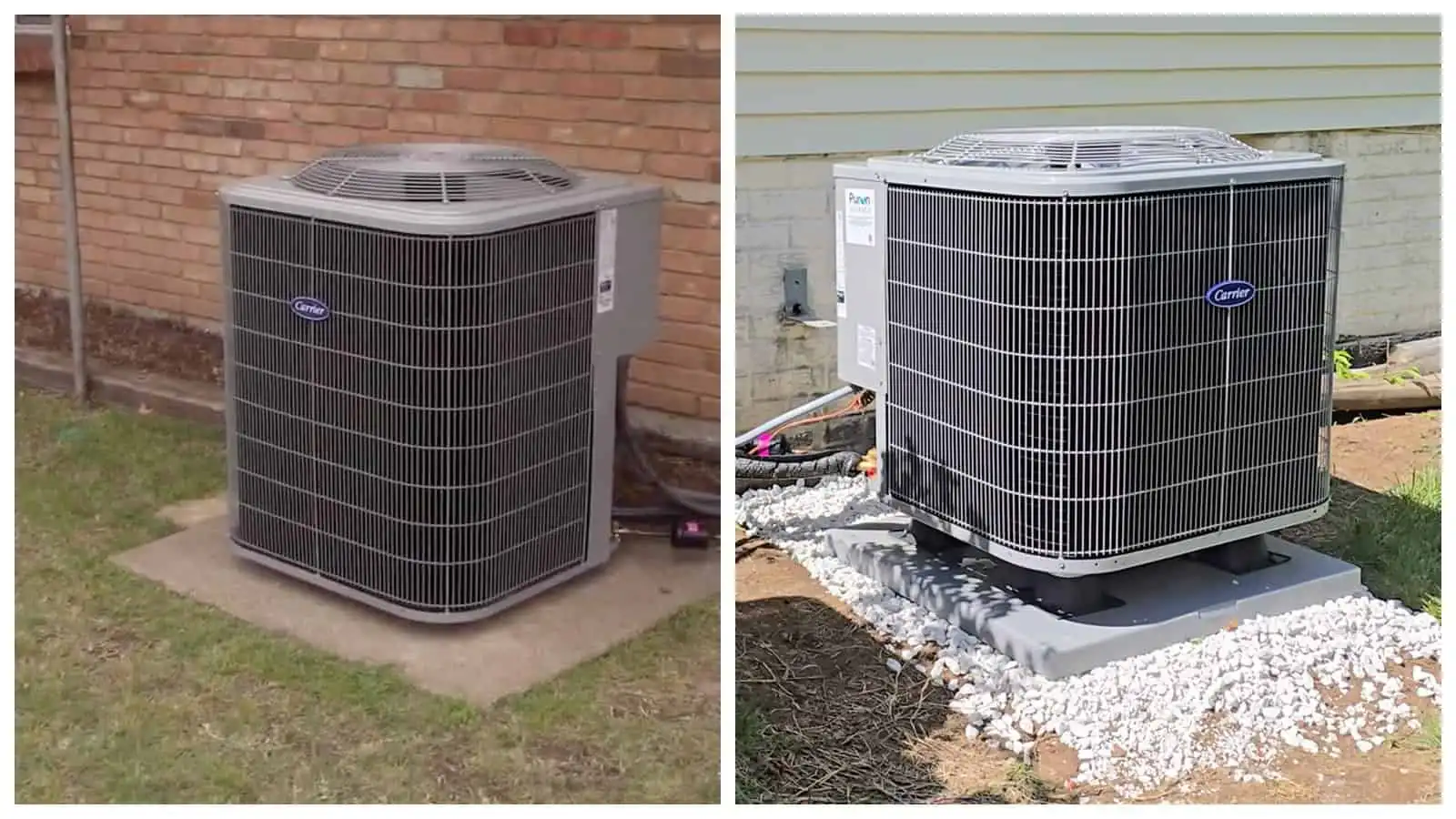
Yes. This is the part most homeowners get wrong, usually because they have heard a heat pump “doesn’t cool as well.” In cooling mode, that is not true. They are the same machine doing the same thing.
Cooling efficiency is measured in SEER2, the rating standard the industry moved to in 2023. A heat pump and an air conditioner with the same SEER2 number cool your home with the same efficiency and the same output. A 16 SEER2 heat pump and a 16 SEER2 air conditioner will hold your living room at 72 degrees on a 105 degree afternoon in the San Fernando Valley using the same amount of electricity. There is no cooling penalty for choosing the heat pump.
What actually determines whether your home stays comfortable in a Southern California summer is not heat pump vs AC. It is correct sizing. An oversized unit of either type short-cycles, never runs long enough to pull humidity out of the air, and leaves rooms unevenly cooled. The machine type is a side issue next to that.
Not sure whether your current system is sized right or just worn out? A quick on-site assessment tells you in plain English.
“Installed the new AC quickly same day when mine broke on the hot summer day what a lifesaver!”
David Dorfman, ⭐️⭐️⭐️⭐️⭐️ Google Review
Why Heat Pumps Are More Efficient Than Air Conditioners
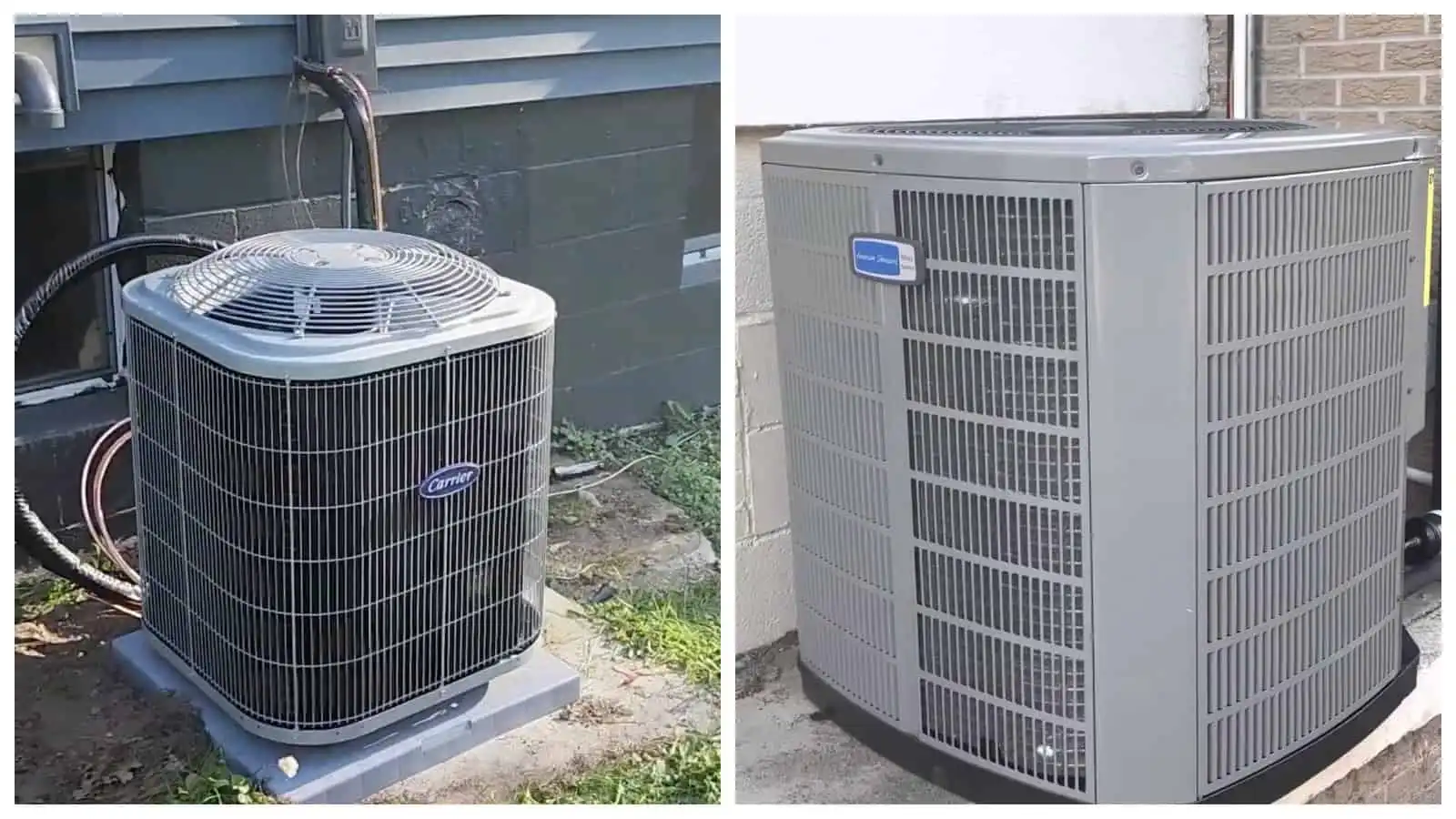
Here is where the “more efficient” claim gets misread. A heat pump is not more efficient than an air conditioner at cooling. They are tied. The efficiency advantage shows up on heating, against whatever the heat pump is replacing.
When a heat pump heats, it moves existing heat from the outdoor air into your home rather than burning fuel or running electric resistance coils. Because it is moving heat instead of generating it, it can deliver two to four units of heating energy for every unit of electricity it consumes. That ratio is called the coefficient of performance, and a number above 1 is something no furnace or electric baseboard can match. A gas furnace tops out below 1 on an energy basis, and old-fashioned electric resistance heat sits right at 1.
So when someone searches “why are heat pumps more efficient than air conditioners,” the honest answer is that the question is slightly off. A heat pump is as efficient as an AC at cooling, and far more efficient than a furnace or resistance heater at heating. The efficiency story is a heating story, not a cooling one.
Heat Pump vs AC Cost: Upfront, Monthly, and Operating
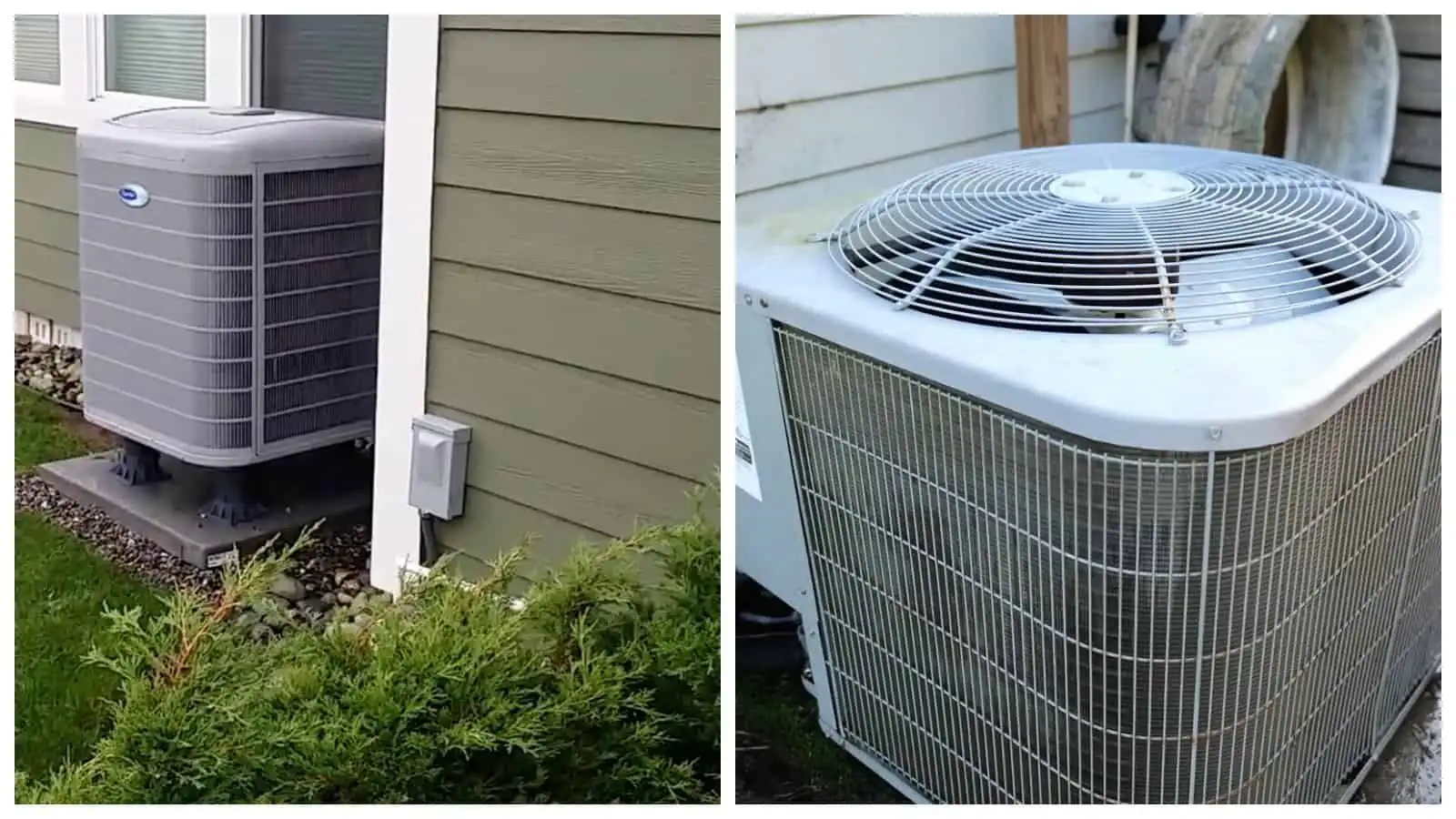
This is the section most homeowners actually care about, so here is the straight version.
Upfront cost. Compared head to head, a heat pump costs roughly $1,000 to $3,000 more than an equivalent cooling-only air conditioner. That premium buys the reversing valve, a slightly different outdoor unit, and the controls that let it heat. But that comparison is only fair if you already have working heat. If you are replacing both an aging air conditioner and an aging furnace, the math flips: one heat pump does both jobs, so it often comes in comparable to, or even below, the cost of buying a new AC and a new furnace separately. For full pricing ranges in this market, see our heat pump cost guide for LA and Ventura County.
Monthly cooling cost. Identical. Same SEER2, same cooling bill. Swapping an AC for a heat pump does not change what you pay to cool the house.
Monthly heating cost. This is where Southern California’s specific situation matters. SCE residential rates sit near 34.5 cents per kWh in 2026, among the highest in the country, while natural gas remains relatively cheap. That combination means switching from gas heat to heat pump heat is roughly cost-neutral on a monthly basis here, even though the heat pump uses far less energy. The heat pump wins decisively on energy use and on dropping combustion from the home. It does not deliver a dramatic monthly heating discount at current SoCal rates, and any contractor who promises one is overselling.
Incentives. Be careful with outdated advice here. The federal 25C tax credit that used to cover up to $2,000 of a heat pump install expired on December 31, 2025, and is not available for systems installed in 2026. What remains are state and utility programs: SCE and LADWP rebates for qualifying equipment, and GoGreen Home financing. Reliable is an approved GoGreen Home contractor, so we can tell you exactly which of these realistically apply to your home and equipment rather than quoting a credit that no longer exists.
Choosing between an AC and a heat pump usually comes down to cost questions specific to your home. We will lay both options out side by side with real numbers.
“They did a great job fixing my AC. They were fast, reasonably priced and the tech was nice and informative about what needed to be done.”
Grace Iace Brown, ⭐️⭐️⭐️⭐️⭐️ Google Review
Heat Pump vs Central AC, Mini-Split, and Window Units
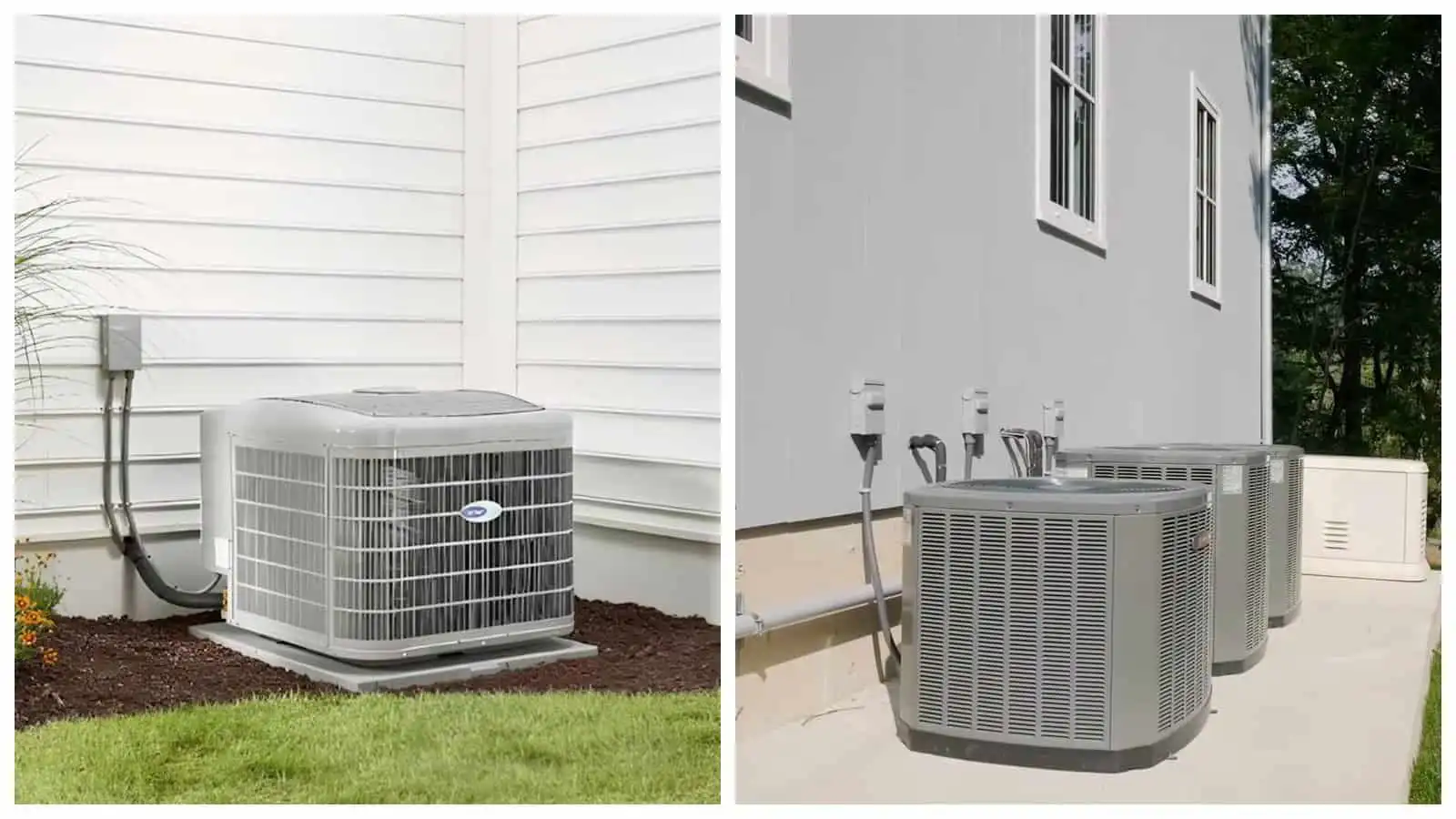
“Air conditioner” covers a few different system types, so here is how a heat pump compares to each.
Heat pump vs central AC. A ducted heat pump uses the same ductwork a central air conditioner does and installs in much the same way. The practical difference is that the central AC needs a separate furnace to heat the house, while the heat pump handles both heating and cooling through that same ductwork. For a home with existing ducts, this is the most common comparison, and it is the one where replacing an AC-and-furnace pair with a single heat pump tends to make the most sense.
Heat pump vs ductless mini-split. This one is a bit of a trick question, because most ductless mini-splits are heat pumps. They are simply heat pumps without ducts, using wall-mounted indoor units instead. Mini-splits are the right call for homes with no ductwork, room additions, garages, or zones the central system never reaches well.
Heat pump vs window AC. A window unit cools a single room and, in most cases, only cools. A whole-home heat pump conditions the entire house and heats it too. These solve different problems. Window units are a stopgap for one room, not a comparison point for a full-home system.
Pros, Cons, and Lifespan for Southern California Homes
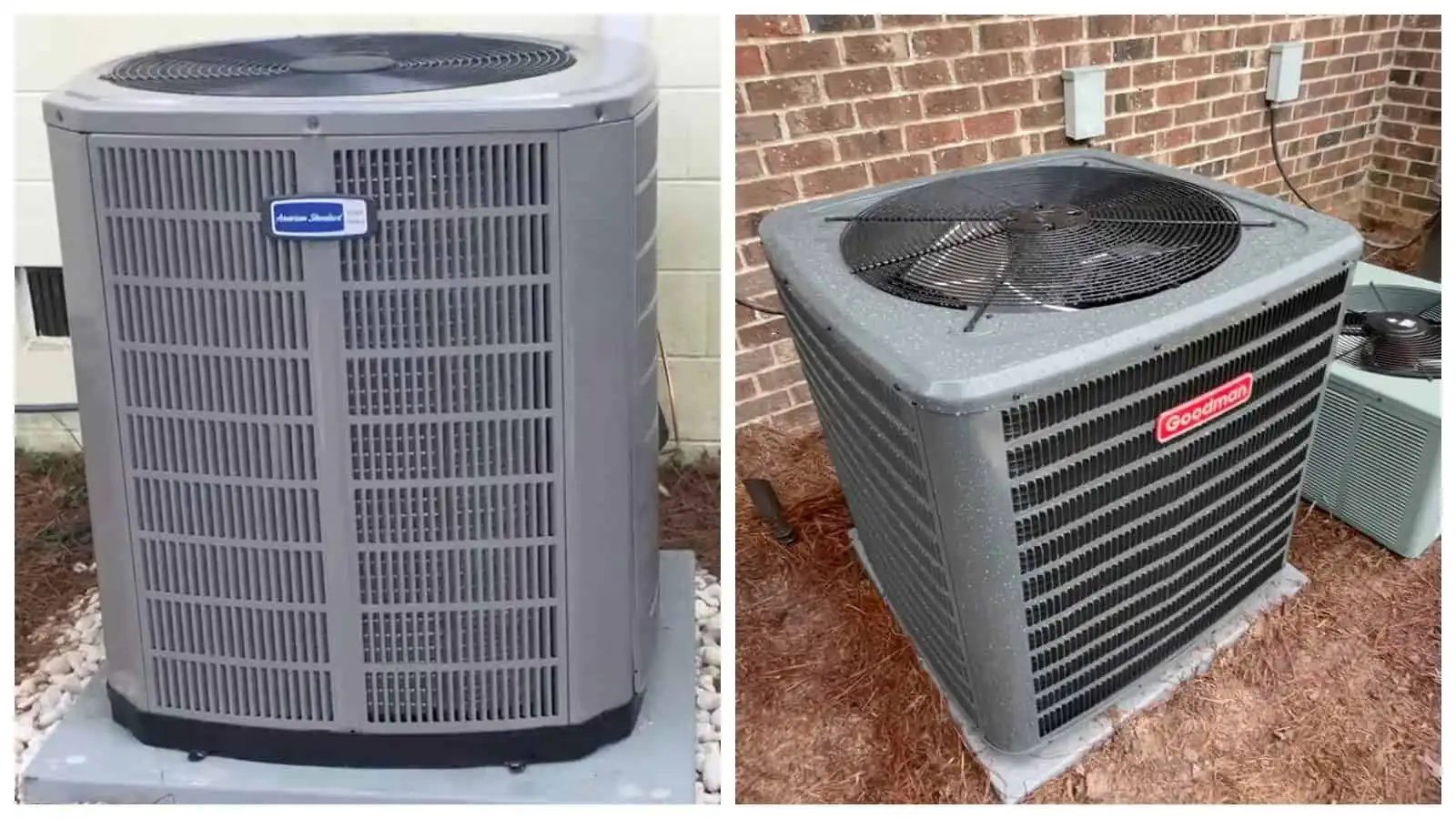
A balanced look, because a heat pump is not automatically the answer for every situation.
Where a heat pump wins:
- One system handles both heating and cooling, so there is less equipment to maintain and replace
- Far more efficient heating than a furnace or resistance heat, and no combustion or gas line in the home
- Cools exactly like an AC, with no performance trade-off in summer
- Positions the home for California’s broader shift away from gas appliances
Where a plain AC can still make sense:
- If your furnace is newer and only the air conditioner failed, replacing the AC alone can be the cheaper, simpler fix
- Heat pump heating savings are modest at current SoCal electricity rates, so the payoff is efficiency and electrification more than a smaller bill
- A heat pump’s added electrical load sometimes requires confirming your panel has capacity, which a cooling-only swap may not
Lifespan. Both systems last about 12 to 18 years in this climate with regular maintenance. A heat pump runs more hours per year because it also heats, but modern units are built for it, and lifespan between the two is comparable. What shortens either one is poor sizing, skipped maintenance, and the hard summer load inland valleys put on equipment, not the machine type.
The right answer depends on the age of your furnace, your ductwork, and your panel. A technician who looks at all three can tell you which path fits.
“Prompt, knowledgeable, and left my home clean. The whole process was smooth from the quote to the finish.”
hristina W., ⭐️⭐️⭐️⭐️⭐️ Google Review
Which Should You Choose for Your LA or Ventura County Home?
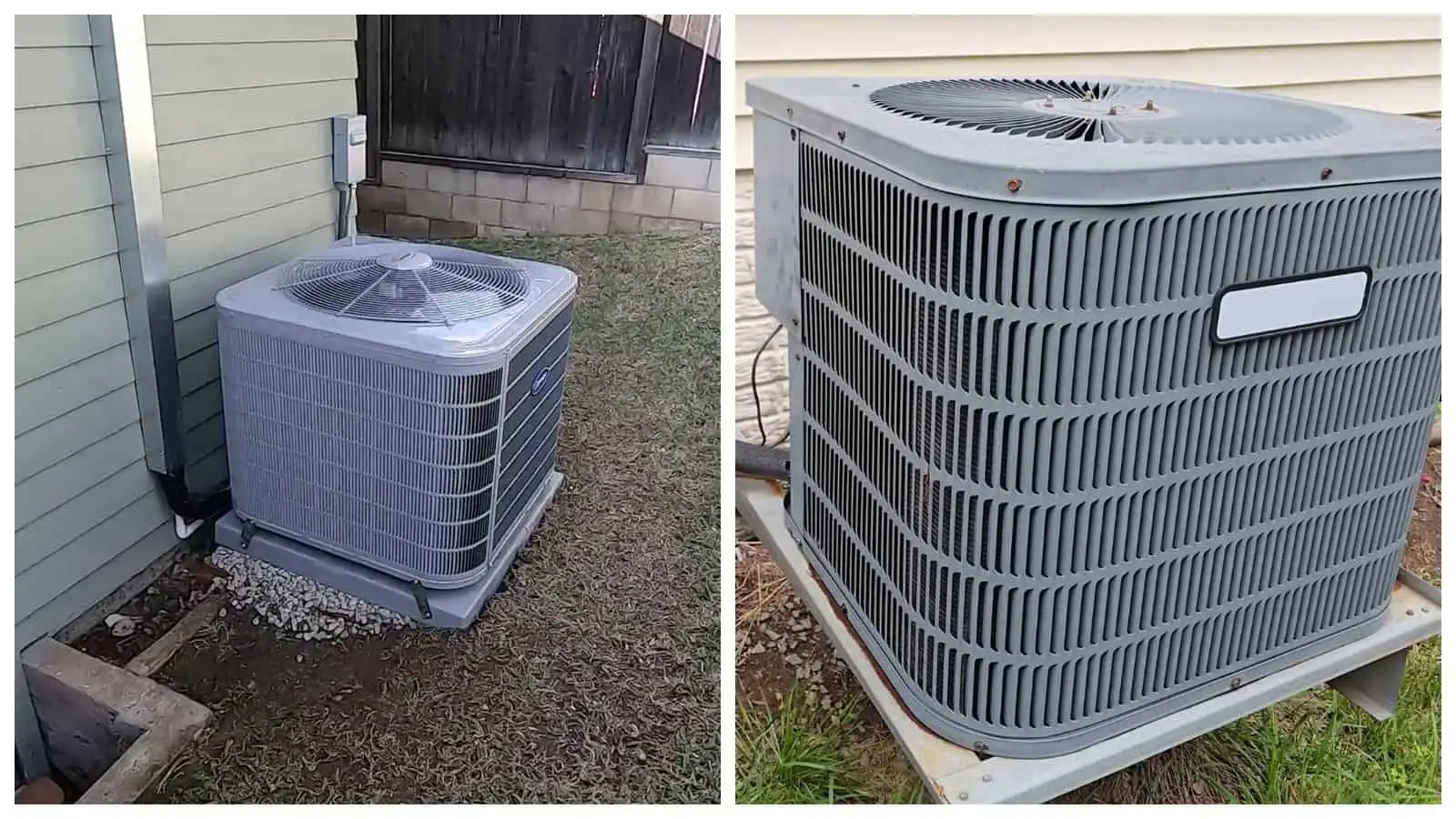
Run your situation through this quick framework:
- Replacing both an aging AC and an aging furnace? A heat pump is usually the stronger choice. One system does both jobs, often at a comparable total cost to buying a separate AC and furnace, with better efficiency and no gas combustion.
- Only the AC died and your furnace is newer? Either path works. A like-for-like AC is the cheaper, simpler fix, but a heat pump still adds efficiency and lets you start moving off gas if that matters to you.
- No ductwork, or adding a room? A ductless heat pump (mini-split) is the natural fit.
- Want to drop gas from the home entirely? A heat pump is the only one of the two that gets you there, since an AC cannot heat.
For most Southern California homeowners facing a full system replacement, a heat pump installation is the better long-term value, because you are buying one efficient system instead of two aging ones. But it is not mandatory, and a plain AC is a perfectly sound choice in the right circumstances. If your real question is about heating specifically, whether to keep a gas furnace or switch, our heat pump vs furnace comparison digs into that side of the decision in detail.
Frequently Asked Questions
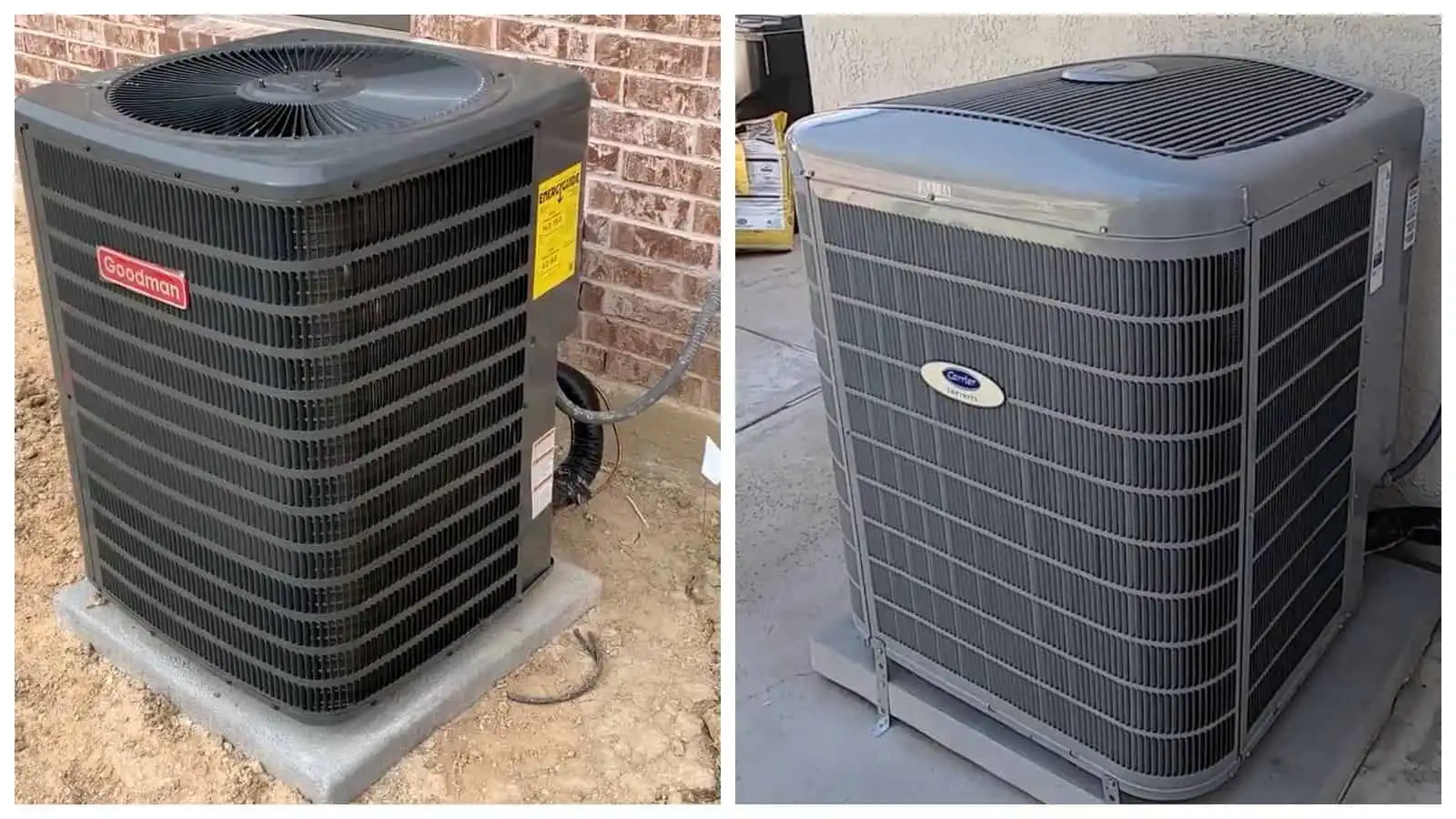
What is the difference between a heat pump and an air conditioner?
An air conditioner only cools, moving heat from inside your home to the outside. A heat pump does the same thing in summer but adds a reversing valve, so in winter it runs backward and moves heat from the outdoor air into your home to heat it. Same cooling, plus heating.
Is a heat pump more efficient than an air conditioner?
Not at cooling. A heat pump and an AC with the same SEER2 rating cool with identical efficiency. A heat pump is more efficient than the furnace or electric-resistance heater it replaces on the heating side, where it delivers two to four units of heat per unit of electricity.
Does a heat pump cost more than an air conditioner to run each month?
To cool, no, the monthly cost is the same. For heating, at Southern California’s high electricity rates and relatively low gas prices, heat pump heating is roughly cost-comparable to a gas furnace on a monthly basis, even though it uses far less energy.
Can a heat pump replace my air conditioner?
Yes. A heat pump cools exactly like an air conditioner and uses the same ductwork, so it is a direct replacement for a central AC, with the bonus that it also heats.
Does a heat pump cool as well as an AC in Southern California summers?
Yes. In cooling mode they are the same machine. A correctly sized heat pump handles triple-digit valley afternoons just as well as a correctly sized air conditioner. What matters for comfort is proper sizing, not which of the two you choose.
How long does a heat pump last compared to an air conditioner?
Both typically last about 12 to 18 years in this climate with regular maintenance. A heat pump runs more hours because it also heats, but lifespan between the two is comparable. Sizing and maintenance affect longevity far more than machine type.
Is a heat pump worth it over a regular AC in California?
For most homes replacing both heating and cooling, yes, because one heat pump does both jobs efficiently. If only your AC failed and your furnace is newer, a standard AC can be the more economical choice. The right answer depends on your specific equipment and home.
Still Deciding? Get a Clear Recommendation for Your Home
The heat pump vs AC question is rarely settled by a chart. It depends on the age of your furnace, the state of your ductwork, your electrical panel, and what you want your home to do over the next 15 years. We will walk your home, run the numbers on both options, and give you a straight recommendation with no pressure to pick the more expensive one.
Reach out through the contact form on our contact page or call us at 747-222-6259 to schedule a free, no-obligation assessment anywhere in Los Angeles or Ventura County.