Key Takeaways
- If your ducts can handle it and have low static pressure, heat pumps can often use your existing ductwork.
- Compatibility depends on your duct size, sealing quality, insulation, and return air capacity.
- When ducts are too small or leak, they reduce efficiency and lead to uneven temperature distribution.
- Ductless heat pumps, which don’t rely on ducts to distribute heated air throughout your home, are ideal for homes that don’t already have a system in place.
- A certified airflow and static pressure test will determine whether you can reuse the ducts.
- Small upgrades to the ducts can often resolve performance problems without requiring a total replacement.
- A heat pump home evaluation can help you avoid delays and discomfort.
- With a front-end inspection, our system is up and running optimally from day one.
One of the most common questions we hear is, “Can heat pumps use existing ductwork?”
Even if you already have a furnace and central air, you want to know whether it’s possible to switch without opening up walls or rebuilding your house. You are in the pre-installation decision phase. You want a definitive response before booking estimates.
A heat pump can piggyback on existing HVAC ducts in many homes. But it depends on duct size, airflow pattern design, and the general condition of the system. Some homes require small adjustments. A few require duct modifications. Very few require full replacement.
This guide tells you when a heat pump with existing ductwork is or isn’t a good idea, and how installers check for compatibility.
Can Heat Pumps Use Existing Ductwork?
Yes, most heat pumps can be successfully combined with existing ductwork. The key factor is airflow.
With a ducted heat pump, air is circulated through the same supply and return ducts used by a furnace. Forced-air homes with correctly sized ducts can make this transition much simpler.
Yet not all duct systems function in the same way. Older furnaces and heat pumps have different airflow requirements. They operate on longer cycles and require an even supply of air. Restricted airflow through the ductwork reduces system performance.
A common question among homeowners is: Will a heat pump work with my home’s existing ductwork? The answer depends on:
- Duct sizing
- Static pressure levels
- Duct insulation
- Air leaks
- Layout and return air design
And ducts, when they are in good condition and properly sized, are among the most frequently salvaged items. If the ducts are too small or leaking, you may need to have them modified.
You might also ask: Do all heat pumps require ductwork? Ductless heat pumps do not. If you have existing ducts, a ducted system is usually the easiest option.
“Our heater broke out overnight, so I contacted for emergency HVAC service. The speed with which they answered astounded me. The technician did not attempt to upsell anything superfluous; instead, he guided me through every step of the process. Fantastic experience.”
Milard Sinto, ⭐️⭐️⭐️⭐️⭐️ Google Review
When Existing Ductwork Usually Works
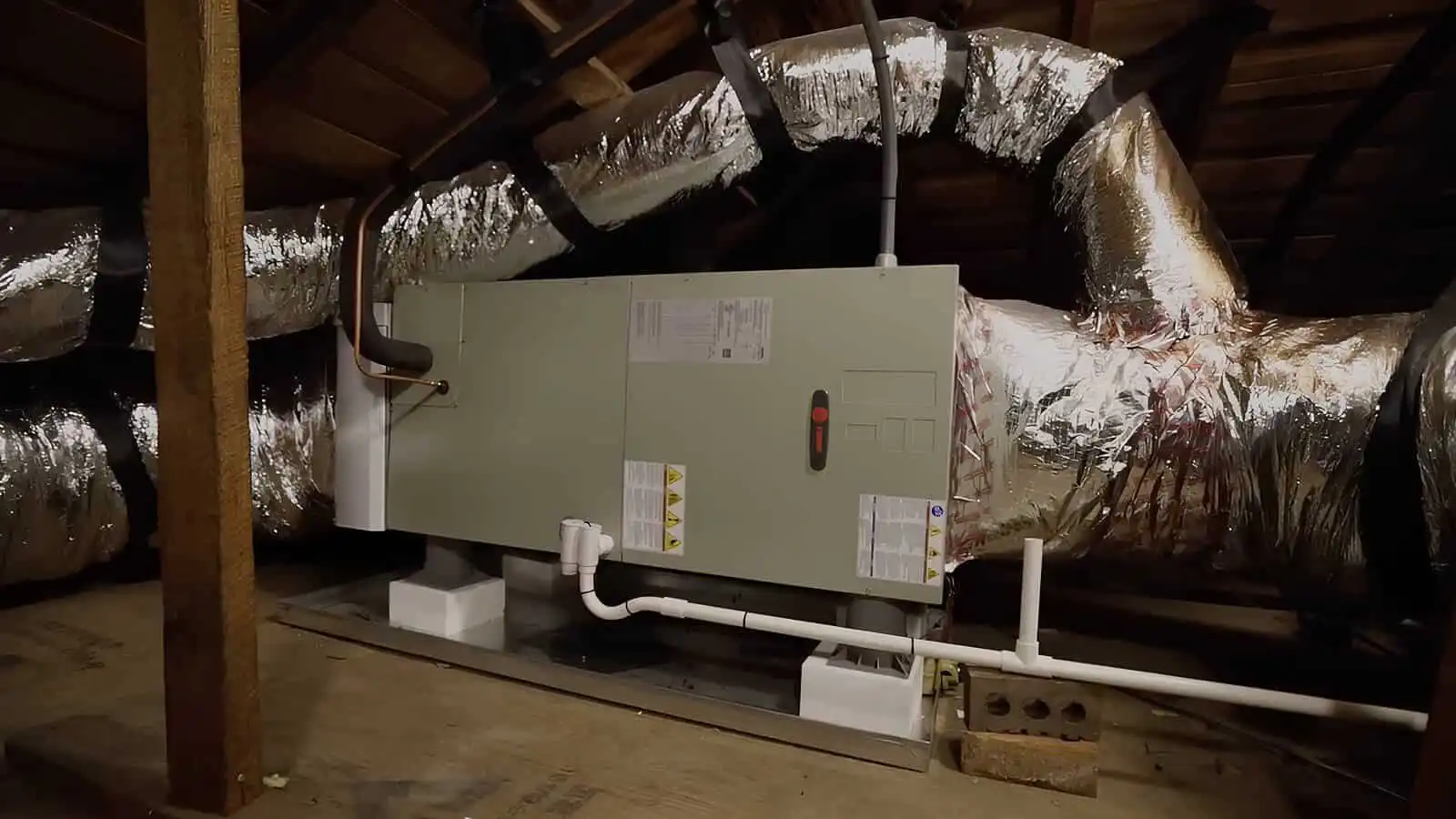
If you have an existing system, the ductwork is often good enough to use with only minor modifications.
If you already have ducts, a heat pump works best when:
- Duct sizing supports required airflow
- Duct condition is solid with minimal leaks
- Static pressure falls within manufacturer limits
- Return air pathways are adequate
- Duct insulation prevents energy loss
Many homes in LA and parts of Ventura County that were constructed over several decades fall into that category. If your furnace heats evenly and you can feel strong airflow in all rooms, chances are the ducts are compatible.
Installers look at airflow capacity. Steady airflow is necessary for air-source heat pumps across the indoor coil. If air balance is maintained, efficiency is high.
It’s not unusual for technicians to make small changes during a furnace-to-heat-pump changeout. They might rebalance dampers, tighten seals, or replace return air grilles. These enhancements improve system compatibility without requiring substantial rework.
When ducts are already sealed and the right size, changing systems doesn’t mean a do-over of the house.
“Fast and friendly service!”
Ermilo Pech, ⭐️⭐️⭐️⭐️⭐️ Google Review
When Existing Ductwork Does Not Work
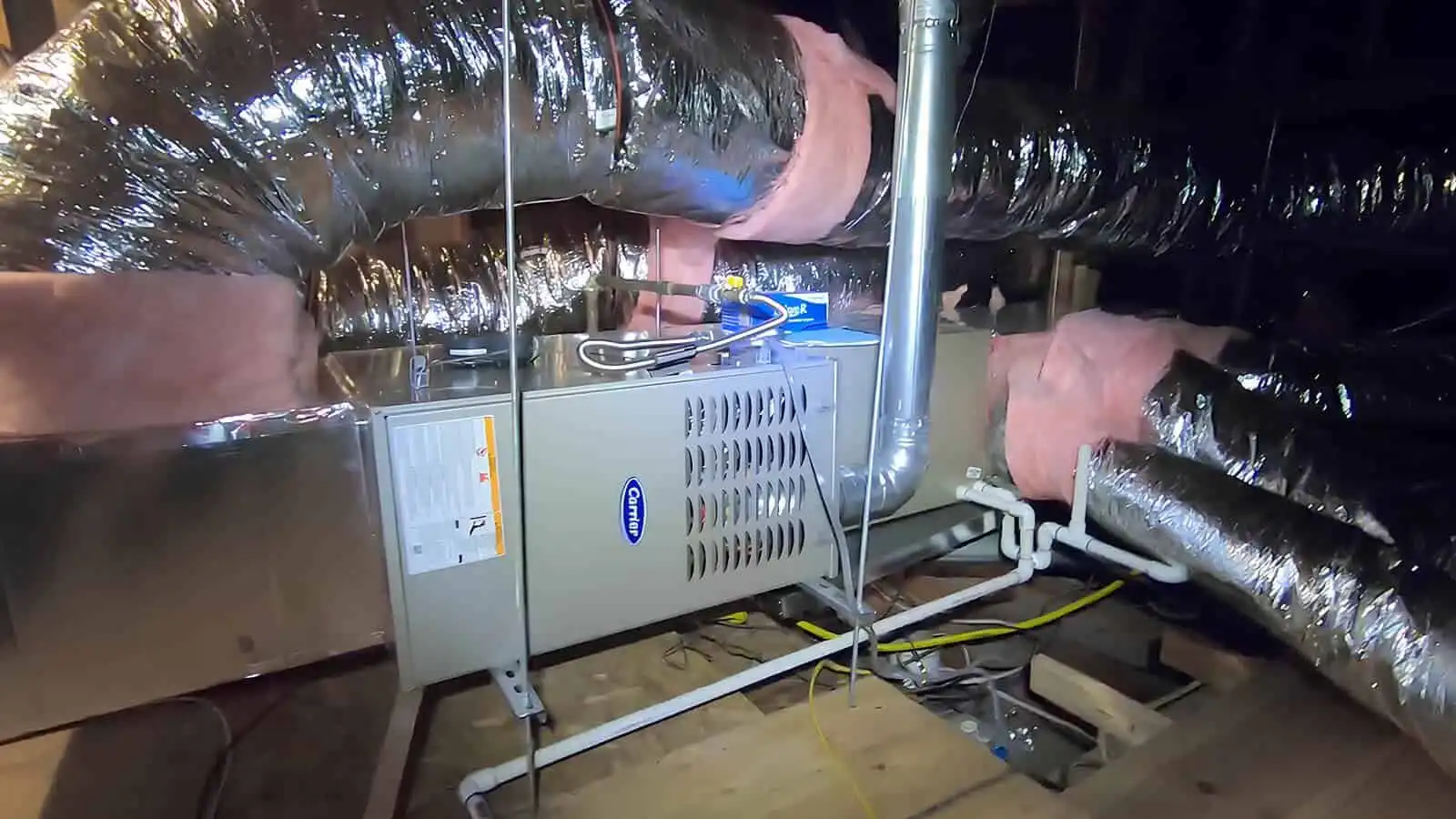
Not all ductwork will accommodate a heat pump. Some were developed decades ago using a single-stage furnace and different airflow patterns.
Common air duct problems that inhibit an installation include:
- Undersized ducts that restrict airflow
- Leaky ductwork that loses conditioned air
- Poor insulation in attics or crawl spaces
- High static pressure readings
- Inadequate return air pathways
- Crushed or disconnected duct sections
Uninterrupted airflow is required for heat pumps. When the ducts are too small, air has a hard time moving across the inside coil. This adds stress and reduces efficiency.
High static pressure is also a red flag. Duct static measures resistance within the duct system. When resistance is too high, the heat pump cannot operate properly.
Some older homes in Los Angeles and Ventura County have combined duct systems. The sections may have been added during previous renovations without proper balancing. This can create uneven airflow.
In these situations, installers may recommend duct sealing, resizing certain runs, or adding return air. In most cases, targeted upgrades can resolve the issue without full duct replacement.
“Two days ago, my air conditioner suddenly broke down, and I called this repair service. The technician was talented and quick, and the service was affordable. I’d recommend them to anyone!”
Vhon Valenzuela, ⭐️⭐️⭐️⭐️⭐️ Google Review
Ducted vs Ductless Heat Pumps (If You Already Have Ducts)
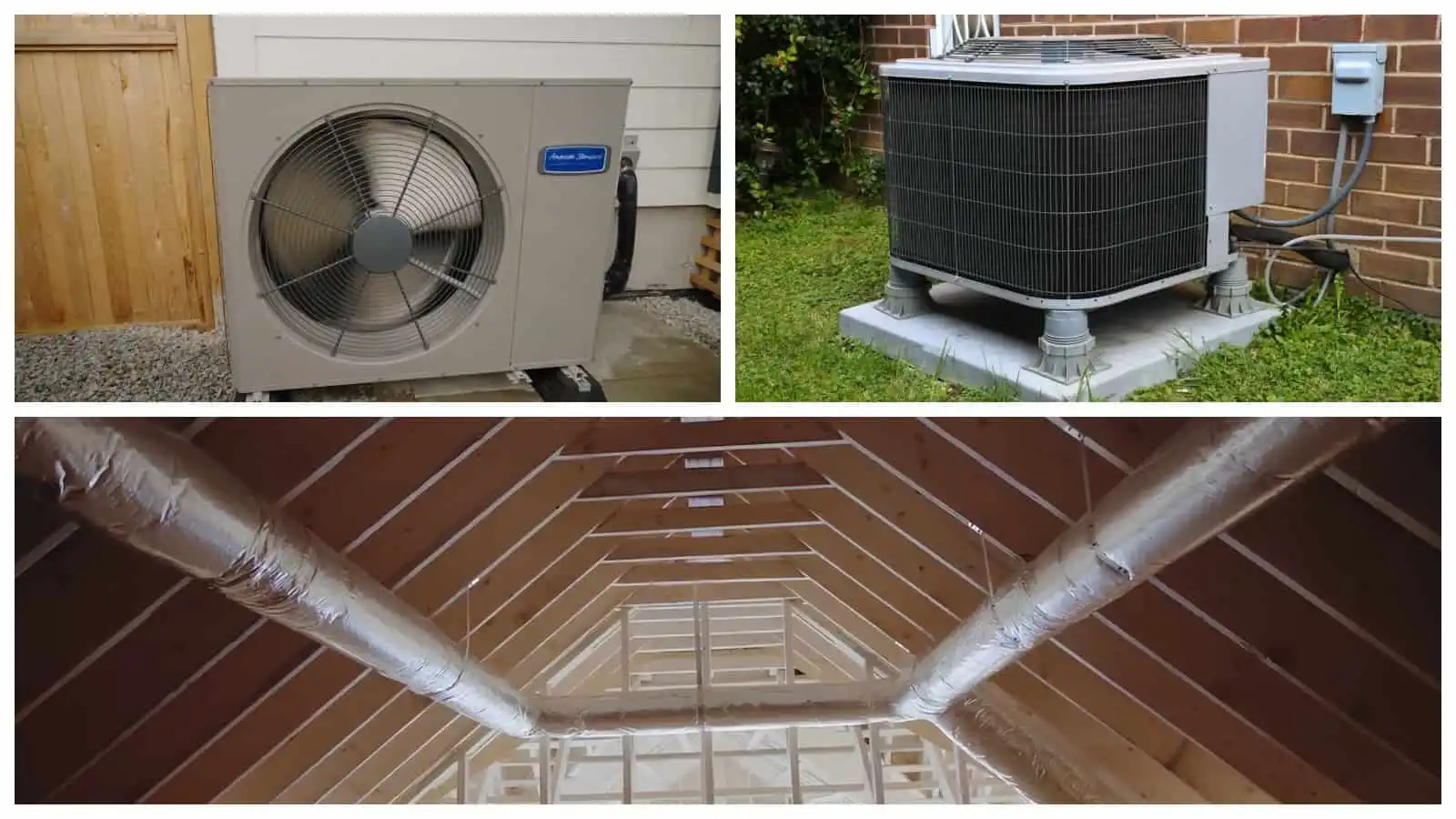
Many people are curious whether they should switch to ductless when they already have ductwork.
You use a ducted heat pump in conjunction with the existing HVAC system’s ducts, and it functions like a centralized system. It circulates air as it enters a room through supply vents.
A ductless heat pump, on the other hand, uses wall-mounted indoor units and doesn’t require a ducted system.
If your ducts are in good condition, a ducted heat pump may be easier and less expensive to install than a ductless system. The delivery system is already in place.
Ductless systems, however, can be worth it if:
- Ductwork is severely damaged
- Major remodeling is planned
- Only specific rooms need conditioning
- The home lacks existing ducts
The discussion generally focuses on heat pump ductwork. Unless ducts cannot meet airflow requirements, there is little reason to abandon them.
Many homeowners prefer the look of a central heat pump system. It uses existing vents and saves you from having wall-mounted boxes. This way, most homeowners won’t ever have to modify their home’s layout.
“My AC stopped working, so I found this company online. They responded quickly and arrived within a few hours. The technician diagnosed the issue, replaced the motor, and had my system up and running the same day. Excellent service. I highly recommend them to anyone needing AC repair!”
Matin Sed, ⭐️⭐️⭐️⭐️⭐️ Google Review
Replacing a Furnace With a Heat Pump Using the Same Ducts
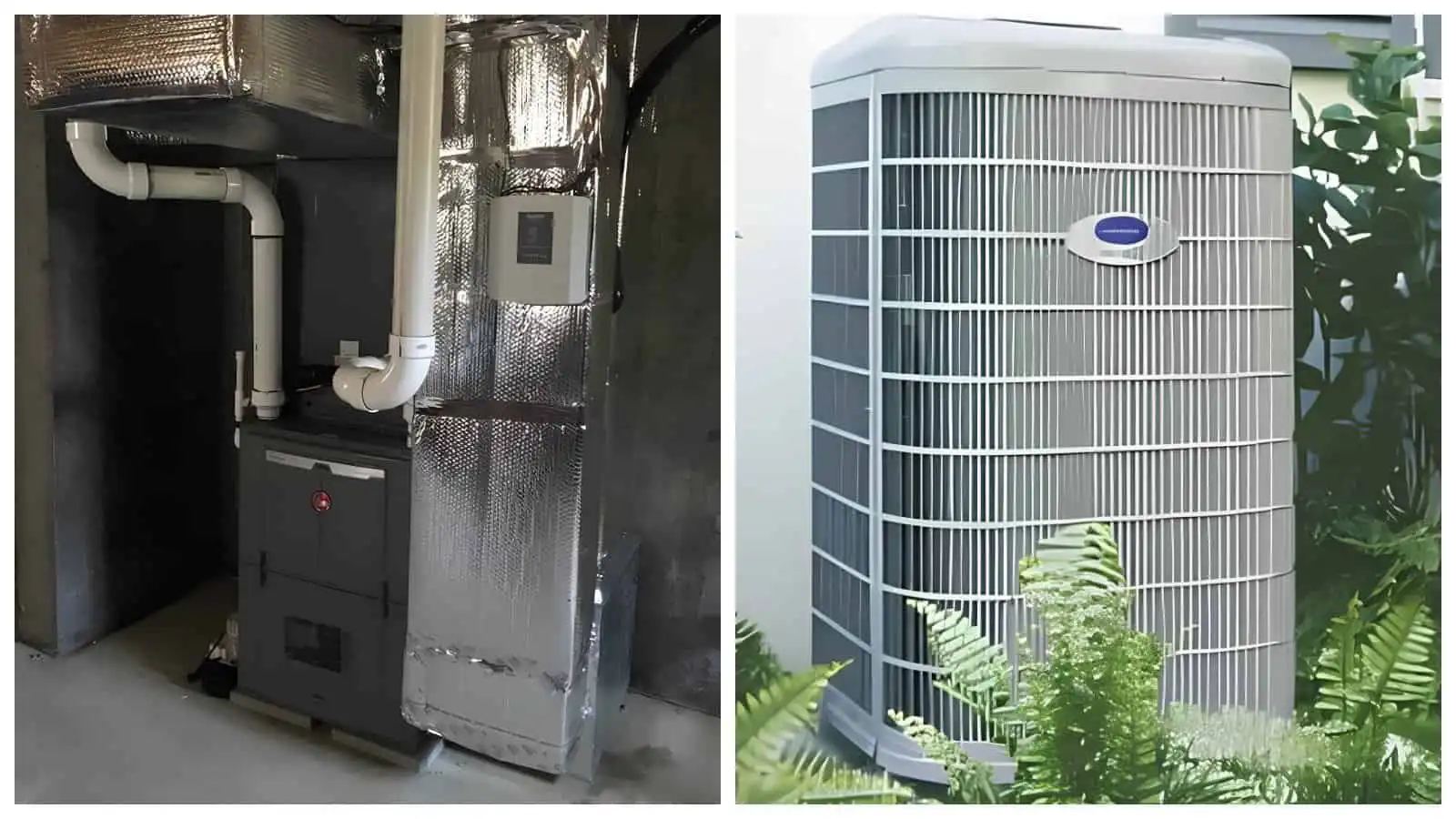
One question many homeowners ask is: “Can I replace my furnace with a heat pump and use the same ducts?”
Often, yes.
In a furnace-to-heat pump conversion, contractors remove the gas furnace and replace it with a heat pump air handler or coil connected to the existing duct system.
This works well when:
- Duct sizing supports required airflow
- The return system is adequate
- Duct sealing is solid
- Static pressure falls within acceptable range
A heat pump doesn’t operate the way a gas furnace does. They push out steady air that is consistently comfortable, rather than brief bursts of hot air. Airflow balance is more important in that case.
Minor modifications may include:
- Adjusting blower speed settings
- Sealing duct joints
- Adding additional return air
- Rebalancing supply dampers
You don’t need to replace the entire duct system in most homes. Installers verify compatibility before proceeding.
“Installed the new AC quickly same day when mine broke on the hot summer day what a lifesaver!”
David Dorfman, ⭐️⭐️⭐️⭐️⭐️ Google Review
How Installers Check Duct Compatibility
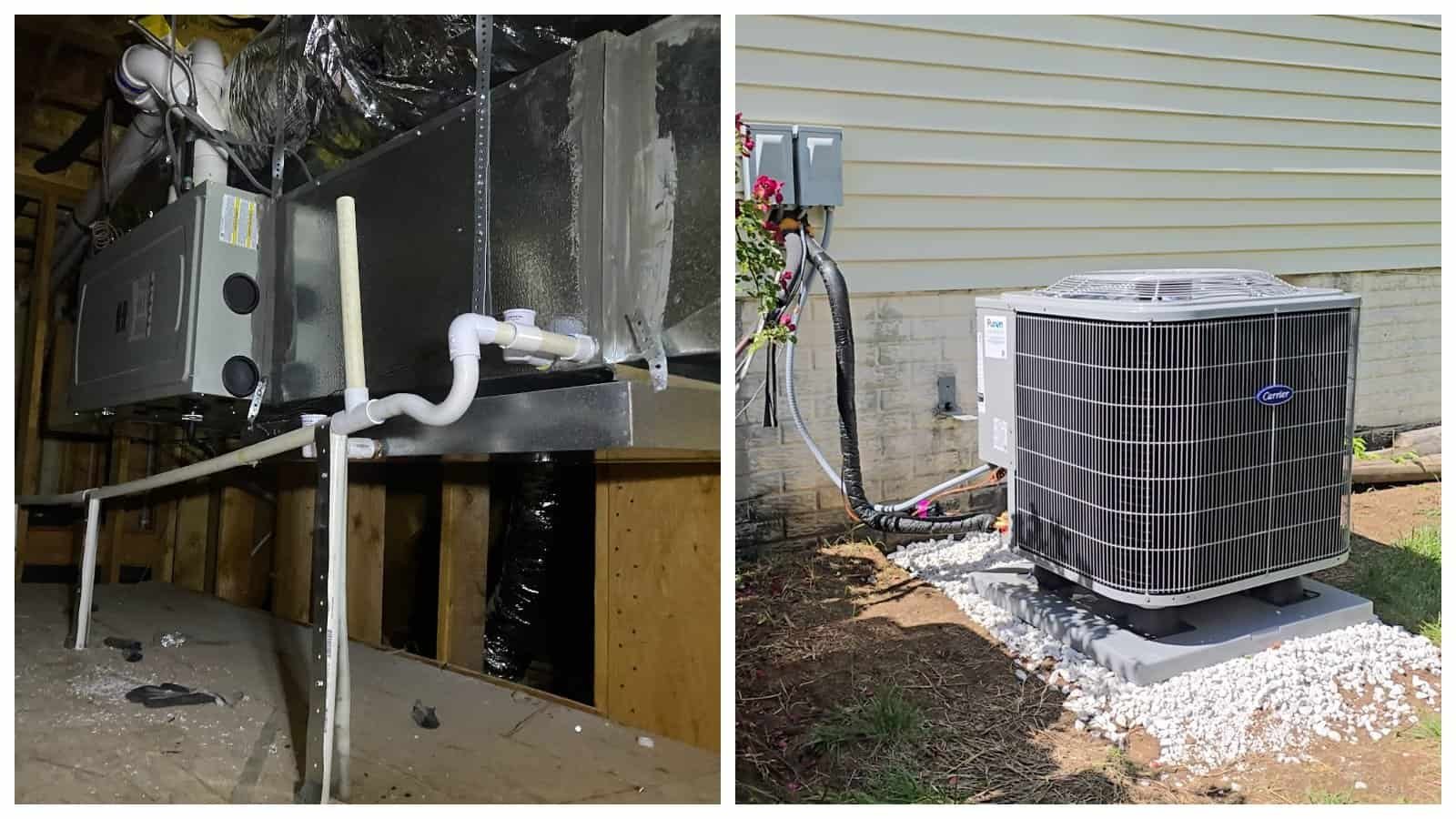
With a professional assessment, we can tell you if your current ducts can handle a heat pump. A very clear method is followed by installers to test performance and airflow.
They start with a physical exam. They look for separated joints, crushed flex ducts, missing insulation, and evidence of air leakage. Compromised areas reduce system performance and add stress to the system.
Next, they measure duct size. Correct sizing ensures the heat pump delivers the required airflow across the indoor coil. Too-small ducts limit airflow and reduce efficiency.
Technicians also test static pressure. Static pressure measures resistance in your duct system. Elevated readings suggest airflow limitations or a lack of return air.
They check out the return air system. Limited return capabilities are common in many older houses and can reduce comfort and efficiency.
Lastly, they determine whether the existing duct system has sufficient airflow capacity for the proposed heat pump.
“They did a great job fixing my AC. They were fast, reasonably priced and the tech was nice and informative about what needed to be done.”
Grace Iace Brown, ⭐️⭐️⭐️⭐️⭐️ Google Review
Will Reusing Ductwork Affect Heat Pump Efficiency?
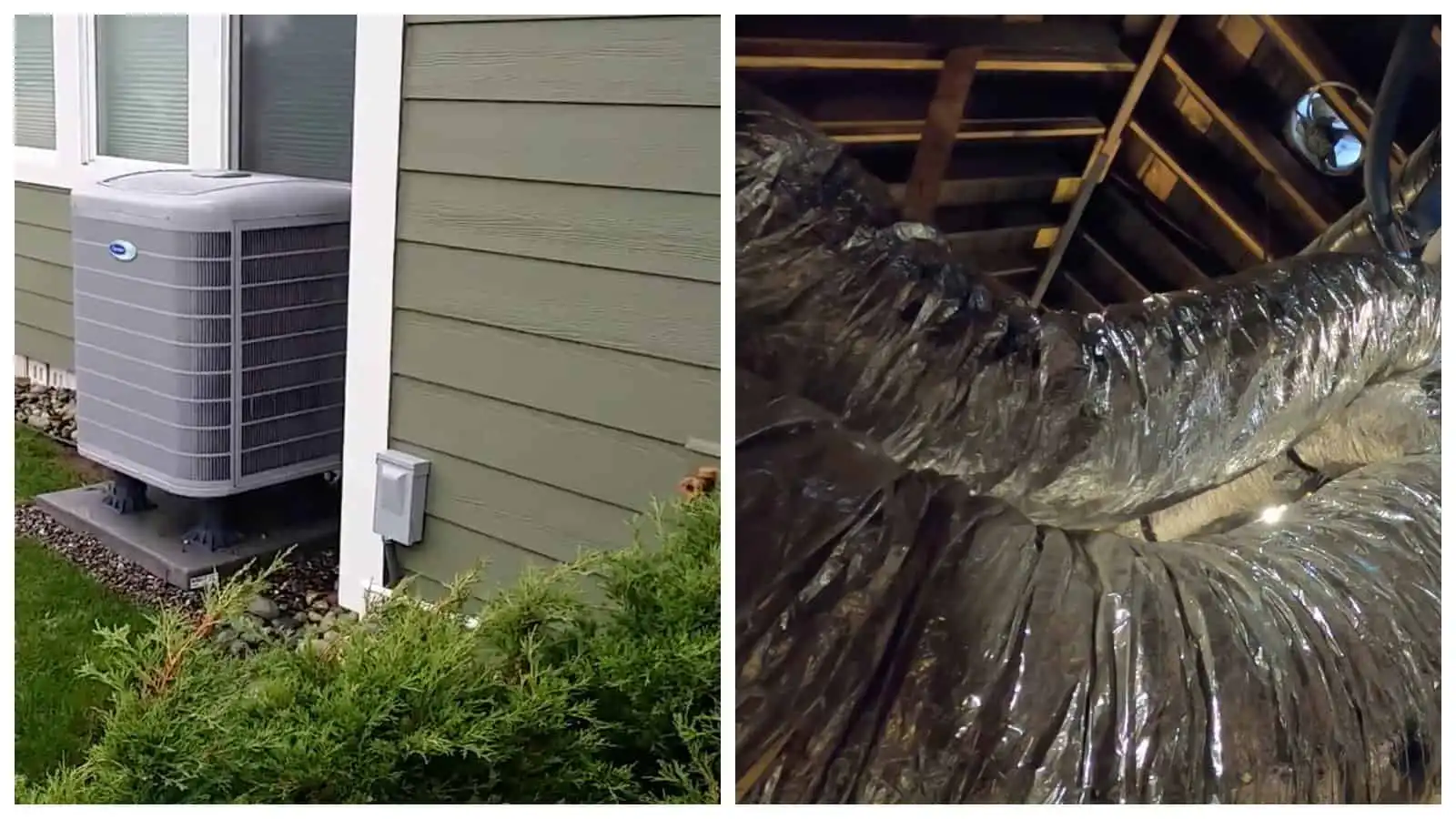
Reuse of ductwork does not necessarily cause a loss of efficiency. Yet the shape of the ducts affects performance.
Leaky ducts waste conditioned air. Air leaks into attics or crawl spaces before reaching living areas. This makes the heat pump work harder.
Air distribution may result in heat gain or loss due to inadequate insulation. In the summer, attic temperatures in Southern California can rise to over 120 degrees. Uninsulated ducts absorb unwanted heat.
Improper sizing can limit airflow. Heat pumps need airflow to work properly. Restricted airflow increases operating costs.
A heat pump is only as efficient as the ducts it serves. Many homeowners achieve excellent efficiency without replacing their duct systems.
Upgrading duct sealing can sometimes improve performance more than replacing the entire system.
“This HVAC company recently helped one of my clients and they did a solid job. They showed up fast, got the work done properly, and made the process simple. I appreciate how they handled it and my client was satisfied with the results. I recommend them for anyone needing HVAC service.”
K ⭐️⭐️⭐️⭐️⭐️ Google Review
Local Considerations in Los Angeles and Ventura County
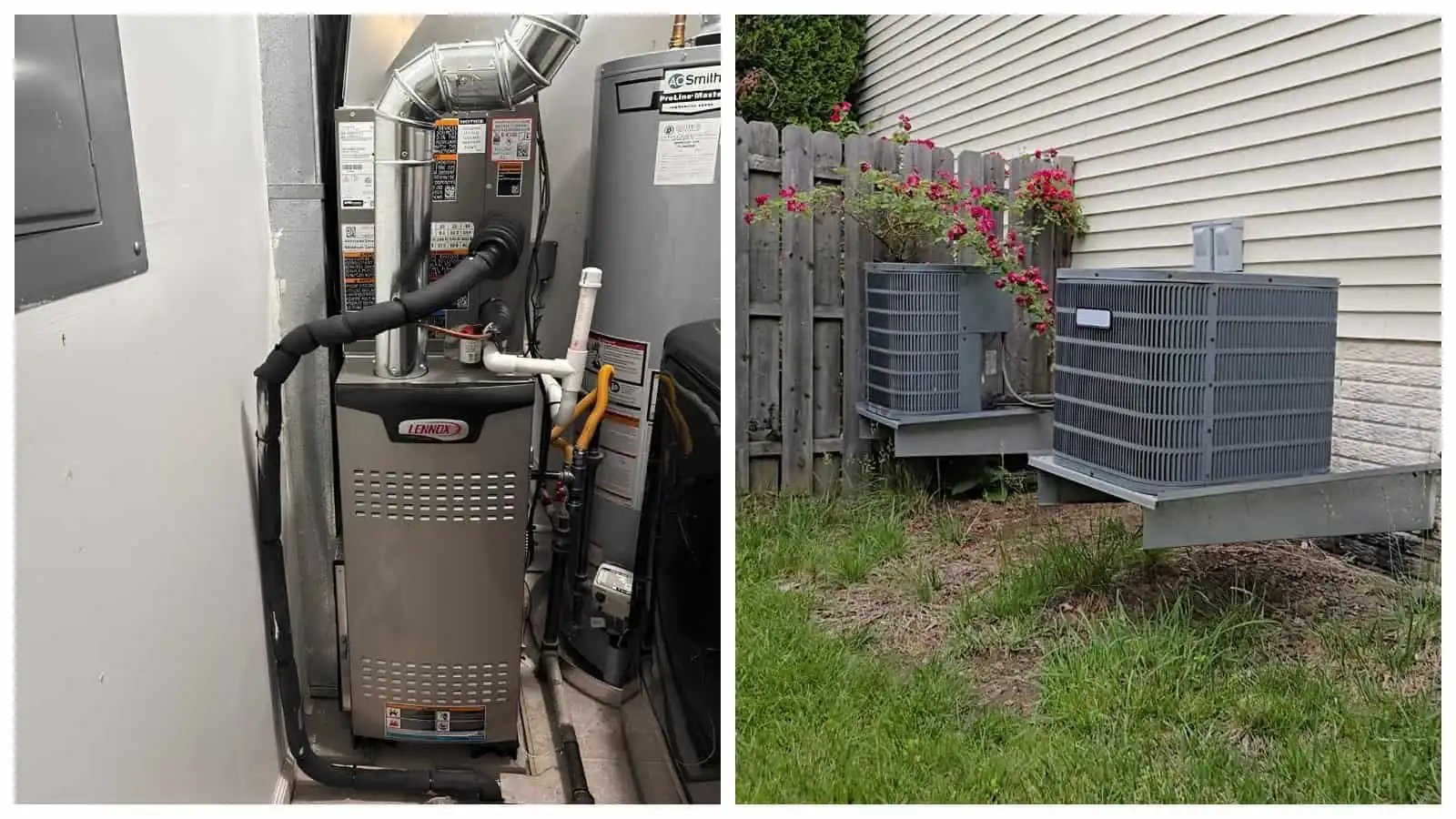
The homes here in Los Angeles and Ventura County are a mixed bag in terms of age and construction. A common compatibility factor is a home’s build date.
Older homes may have:
- Smaller duct trunks
- Limited return air
- Ducts installed without modern sealing standards
Newer homes are built to current energy codes, which makes it easier to coordinate high-efficiency heat pumps.
Coastal areas also present challenges. The salt air can corrode metal parts. Under its searing heat, unshielded attic ductwork in the hinterland can bear strain.
The professionals at Reliable Heating and Air consider local weather when they suggest reuse or replacement. Proper airflow design helps ensure a warmer winter and a cooler summer.
There can be only a home-by-home analysis. Ducts aren’t based on square footage alone.
“I had a fantastic experience with my recent in-home air conditioning inspection! From start to finish, the technician was professional, courteous, and incredibly knowledgeable. He arrived right on time, explained everything they were doing in simple terms, and performed a thorough check of the entire system.”
Boris Muchnik, ⭐️⭐️⭐️⭐️⭐️ Google Review
FAQ Section
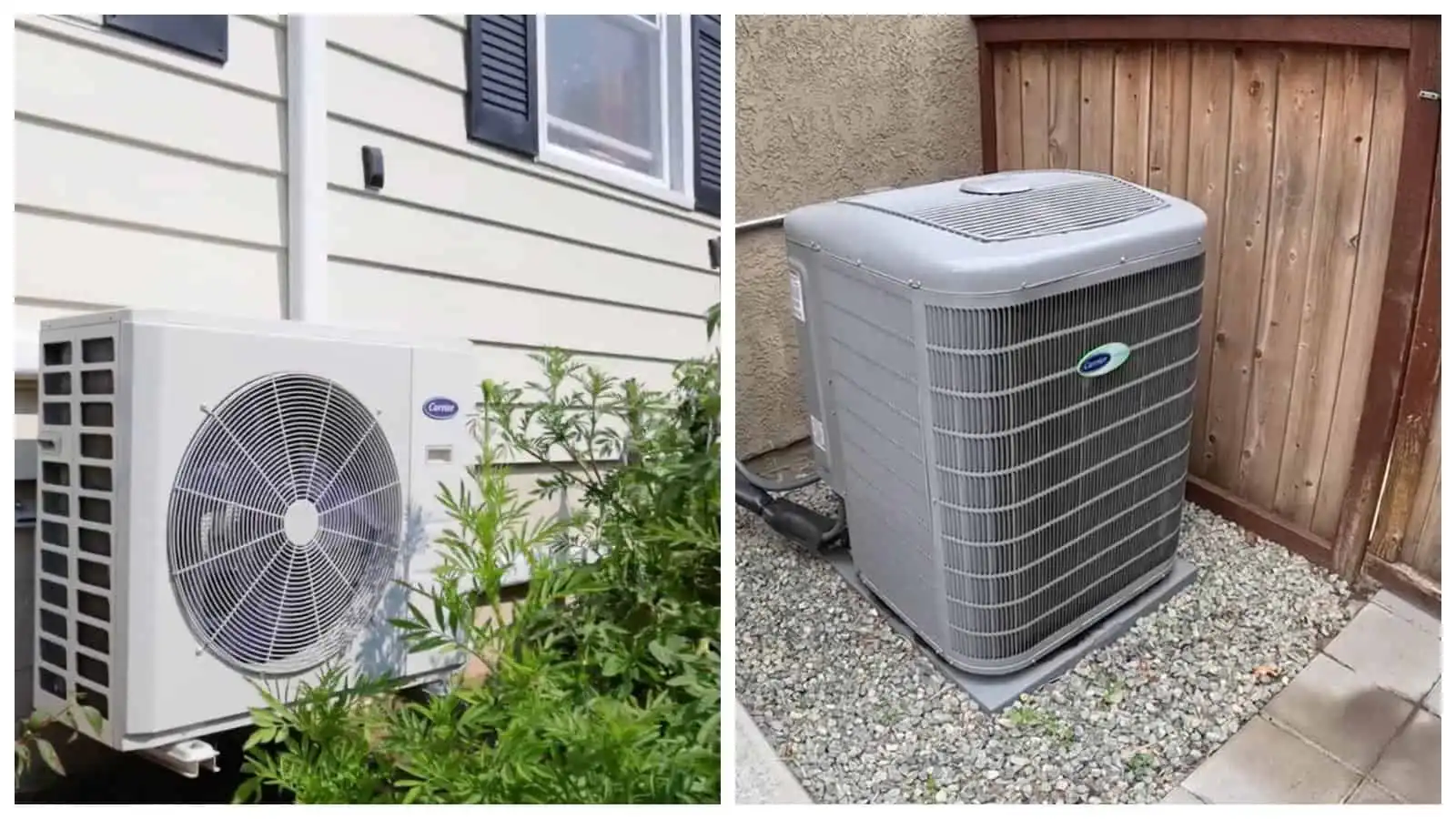
Do Heat Pumps Need Ductwork?
Ductwork is not always necessary for heat pumps. Ducted heat pumps tie into your existing home’s heating and cooling system; air is circulated through ceiling or wall vents. A ductless heat pump, as the name implies, uses individual indoor units and does not require installing ducts. The right choice depends on your house and system design.
Can You Reuse Ducts for a Heat Pump?
In many homes, you can use the ducts again for a heat pump. The duct network should encourage airflow and maintain low static pressure. Duct size, sealing quality, insulation, and returns are checked by the installers before any product is deemed to be reusable.
If your ducts meet airflow criteria, replacement is usually not necessary.
What to Do Next If You’re Considering a Heat Pump
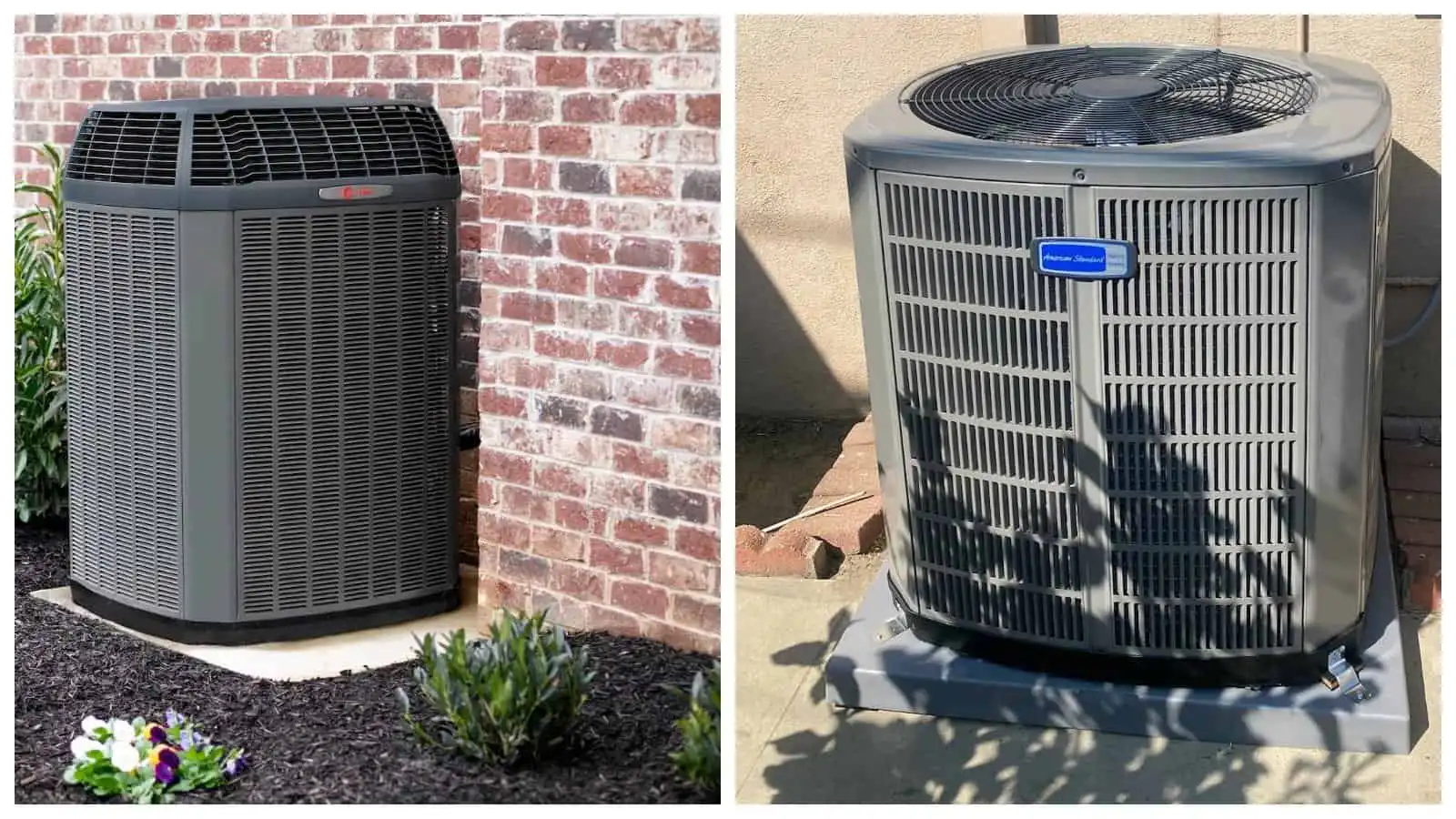
If you are considering a heat pump, the first step is a home assessment. This assessment takes into account your ductwork, insulation levels, home square footage, and electrical capacity.
A check-first approach avoids delays in installation and prevents unexpected system performance issues. It provides clear answers without any piece of equipment being thrown on the table.
If you’re ready to move forward with confidence and ensure your home is prepared for heat pump installation, schedule a visit from Reliable Heating and Air for a professional heat pump home assessment.