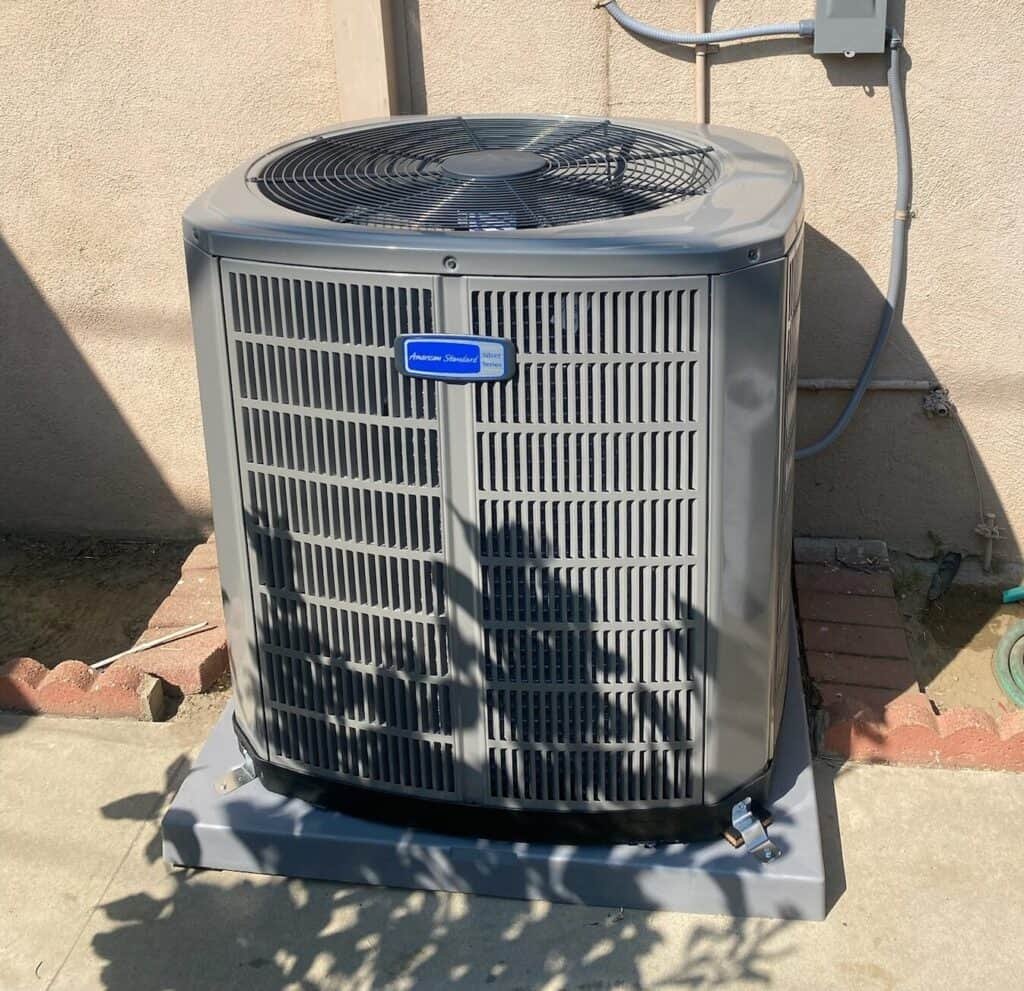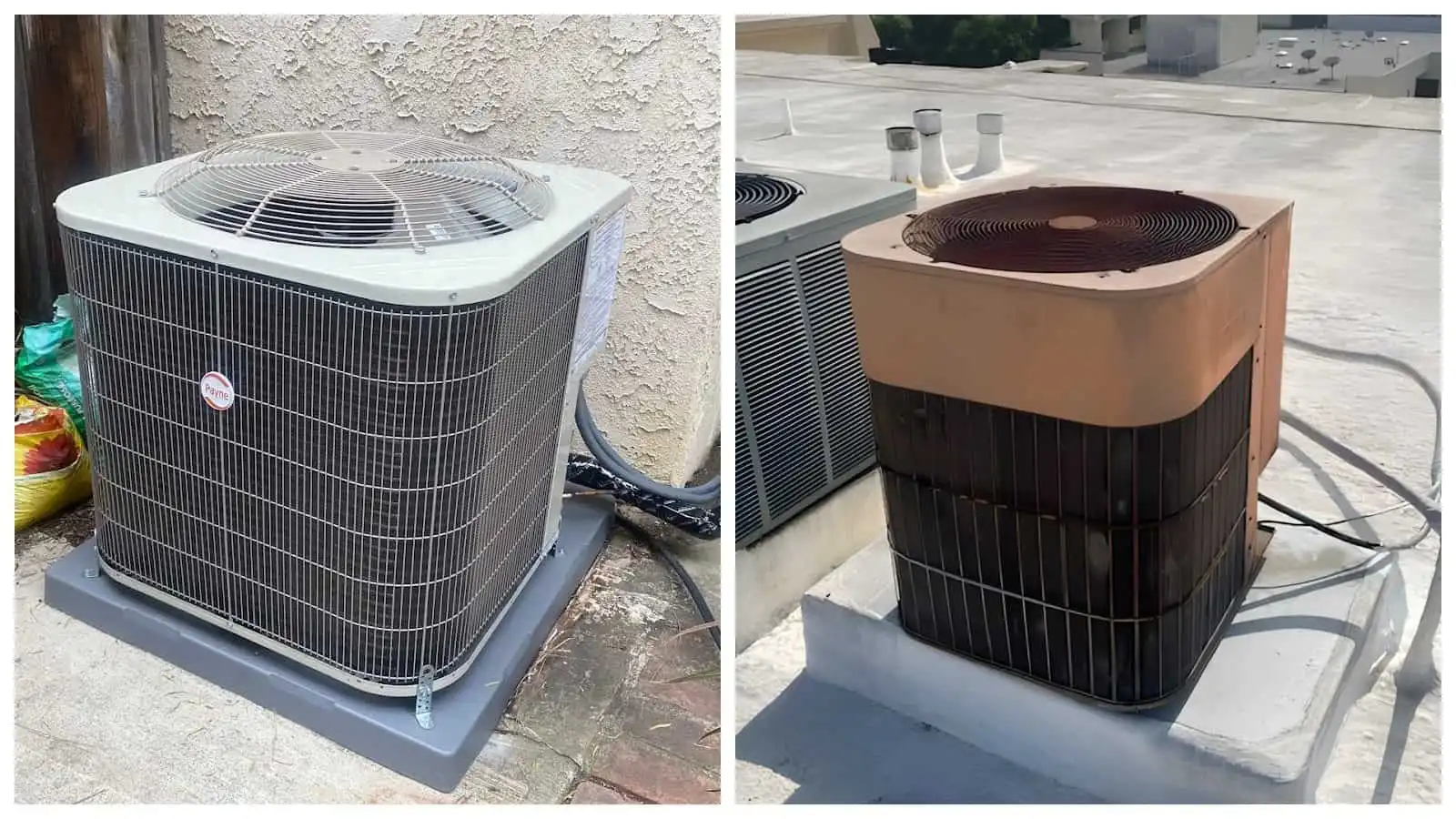
If your air conditioner is getting older or just quit on a hot afternoon, the real question underneath “how long do AC units last” is usually simpler: do I fix this one, or is it time to replace it?
The honest answer depends on the system’s age, how it’s been maintained, and the kind of heat and air it’s been living in. Here’s what actually drives an AC’s lifespan in Southern California, the signs it’s near the end, and how the repair-versus-replace math has shifted in 2026.
Key Takeaways
- Most central AC systems last about 15 to 20 years. With regular maintenance some reach the low 20s; neglected systems often fail by 10 to 12.
- Southern California heat, and salt air near the coast, both shorten that lifespan, so a lot of local systems land at the lower end of the range.
- The 2026 R-454B refrigerant transition adds 5-10% to equipment costs compared to the older R-410A systems, typically $500-$2,000 depending on system tier.
- Clear signs it’s time to replace: the system is 15-plus years old, runs on R-410A or older R-22 refrigerant, needs frequent or expensive repairs, or your cooling bills keep climbing.
- The R-410A phase-out is the big 2026 wrinkle. Refrigerant for older systems is getting more expensive, which changes the repair-versus-replace math on aging units.
- A straightforward central AC replacement in LA and Ventura County generally runs about $7,500 to $11,000 in 2026, with high-efficiency, coastal, or complex jobs higher.
- If you’re replacing anyway, a heat pump is worth comparing. It cools like an AC, heats too, and qualifies for California rebates, plus the federal tax credit of up to $2,000.
We install, repair, and replace cooling systems across Los Angeles and Ventura County, so this is the same straight guidance we give homeowners on a service call.
How Long Does a Central AC Unit Actually Last?
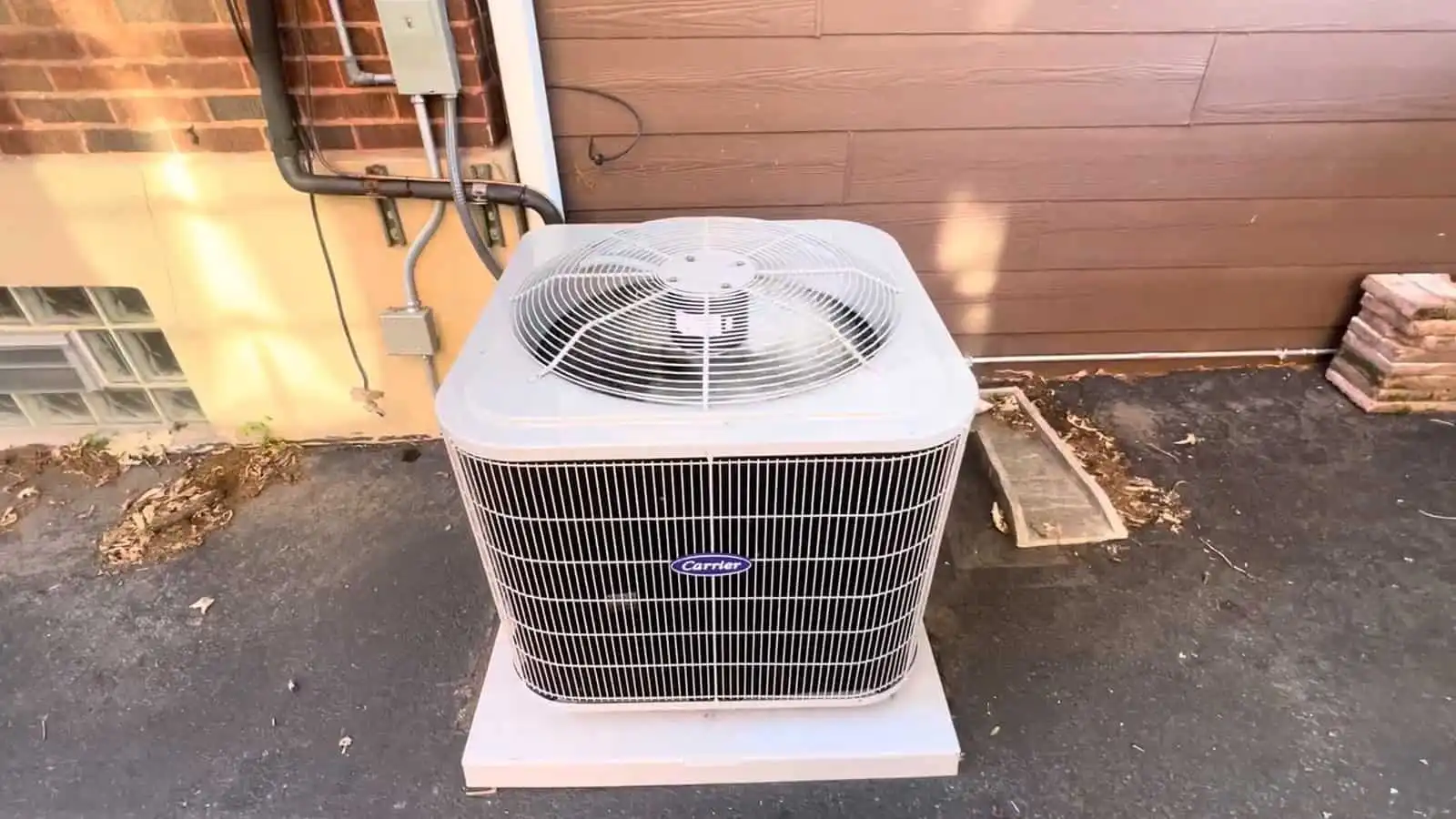
For a central air conditioner, 15 to 20 years is the realistic range. A well-maintained system in a milder spot can push into the low 20s, and a few reach 25. On the other end, a unit that never gets serviced often starts failing around 10 to 12 years, because dirty coils and a strained compressor wear it out early.
Type matters too. Ducted central systems and ductless mini-splits both tend to land in that 15-to-20-year window. Window units are the exception, usually lasting only 5 to 8 years.
One thing worth being honest about: even when an old system still runs, efficiency drops noticeably after about 15 years. A 12-year-old unit limping through a heat wave is often costing you more every month than its age alone suggests.
What Shortens an AC’s Life in Southern California?
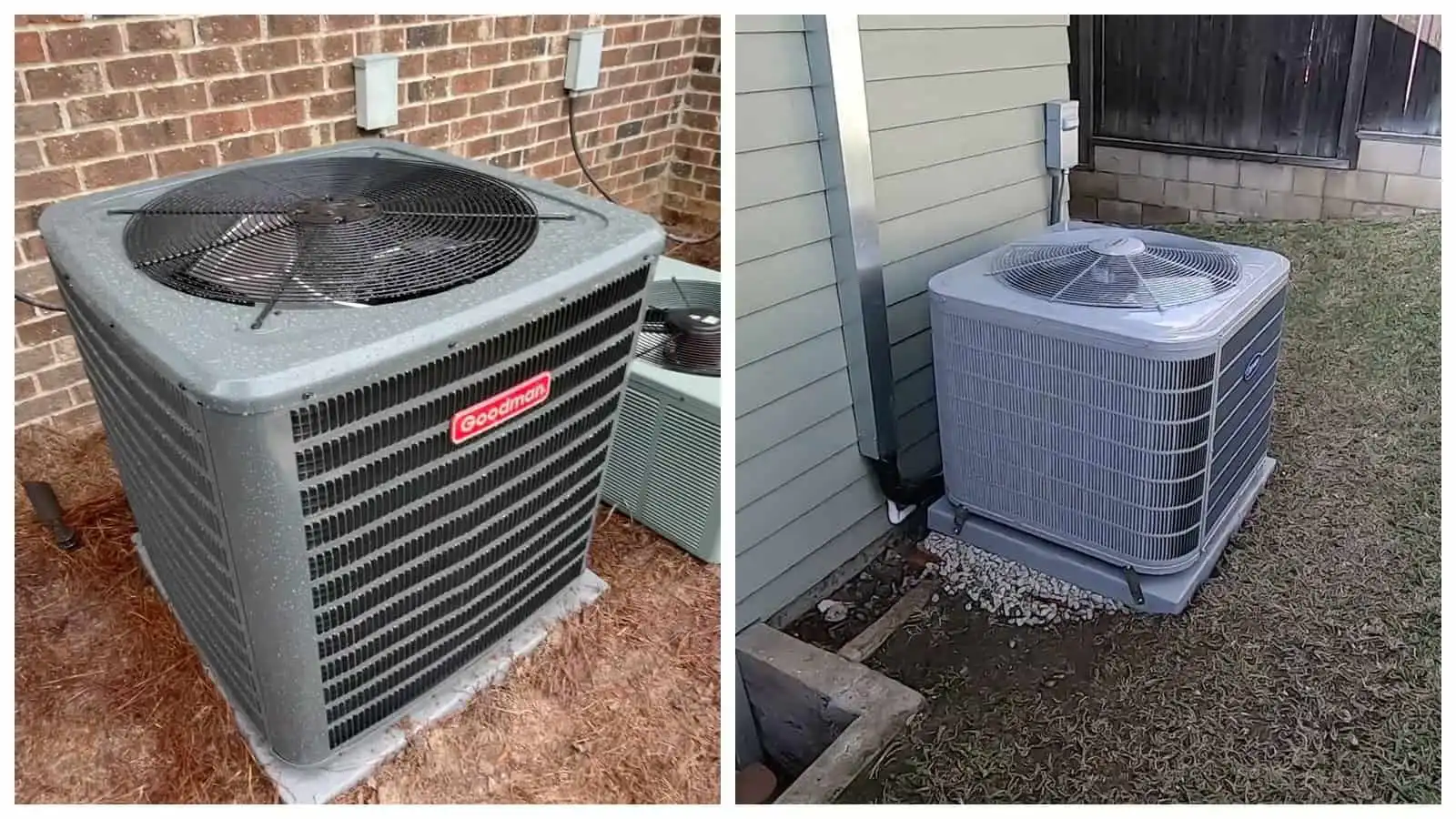
Lifespan ranges are national averages. Several local factors push Southern California systems toward the lower end.
Heat and runtime are the big ones. Inland, where summer afternoons in the Valley, Santa Clarita, and Santa Paula regularly clear 100°F, an AC runs hard from late spring into fall. More running hours mean more wear, and our cooling season is long.
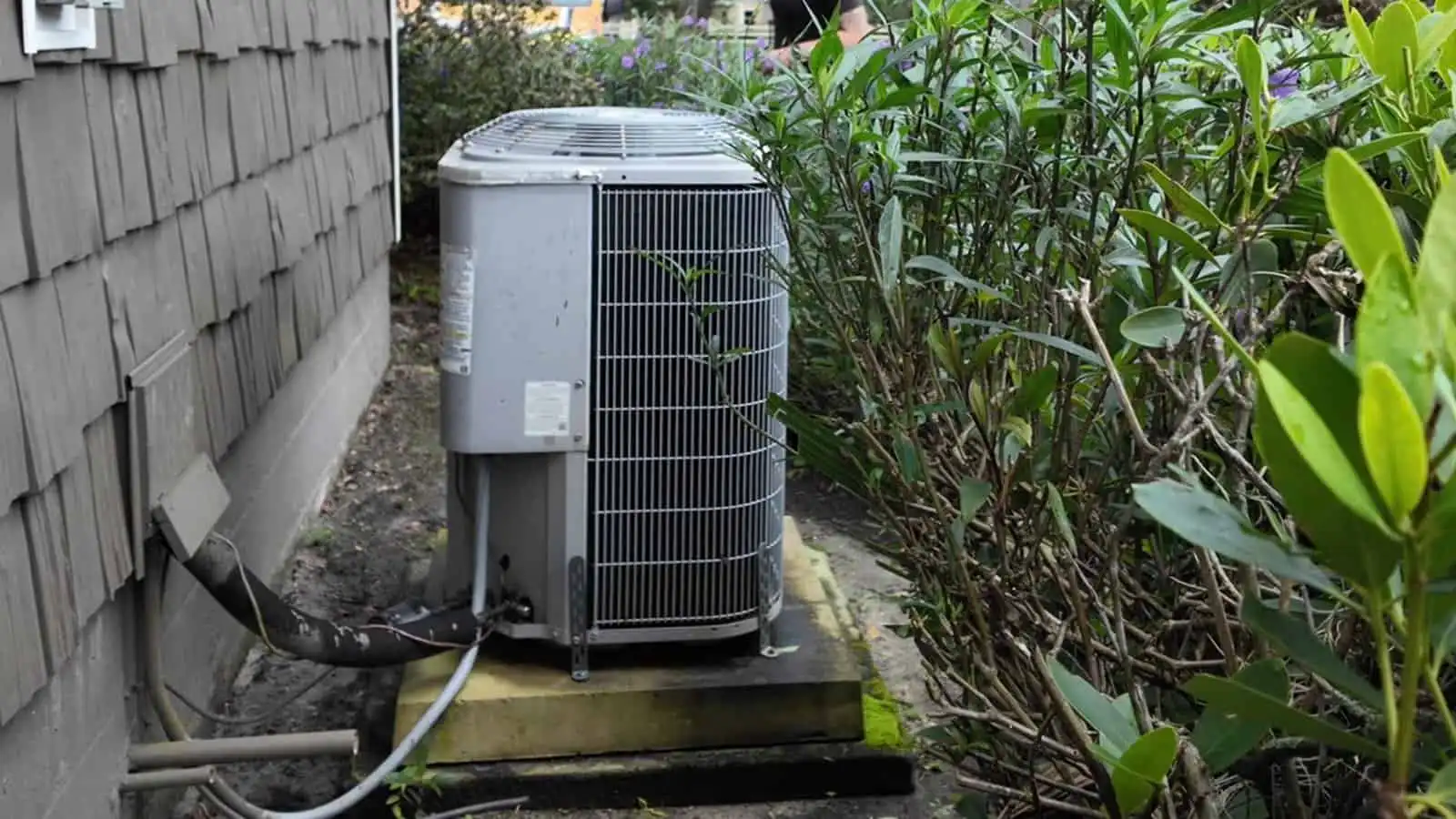
Salt air is the coastal version of the same problem. Near the water in Malibu, Oxnard, and along the Ventura coast, salt corrodes condenser coils and outdoor components, and it can cut years off an outdoor unit that wasn’t built or maintained for it.
Then there is our autumn weather. In the fall, the Santa Ana winds blast fine dirt, brush debris, and micro-particulate wildfire ash directly into outdoor condenser coils. This seasonal debris acts like a blanket, suffocating airflow and forcing the compressor to run dangerously hot. For SoCal homes, an extra post-wind-season coil rinse is often the difference between an AC hitting 18 years or dying at 12.
Two more factors are inside your control. Sizing: an oversized unit short-cycles and wears its compressor out faster, while an undersized one runs nonstop and never quite keeps up. And maintenance: skipping annual service is the single most common reason a system dies years early. Many older Valley and Ventura County homes also run original or aging ductwork that strains the system further.
Not sure whether your system is near the end or just needs a tune-up? A quick look will tell you where it really stands.
“This HVAC company recently helped one of my clients and they did a solid job. They showed up fast, got the work done properly, and made the process simple. I appreciate how they handled it and my client was satisfied with the results.”
Real estate referral, ⭐️⭐️⭐️⭐️⭐️ Google Review
Signs You Need a New AC, Not Another Repair
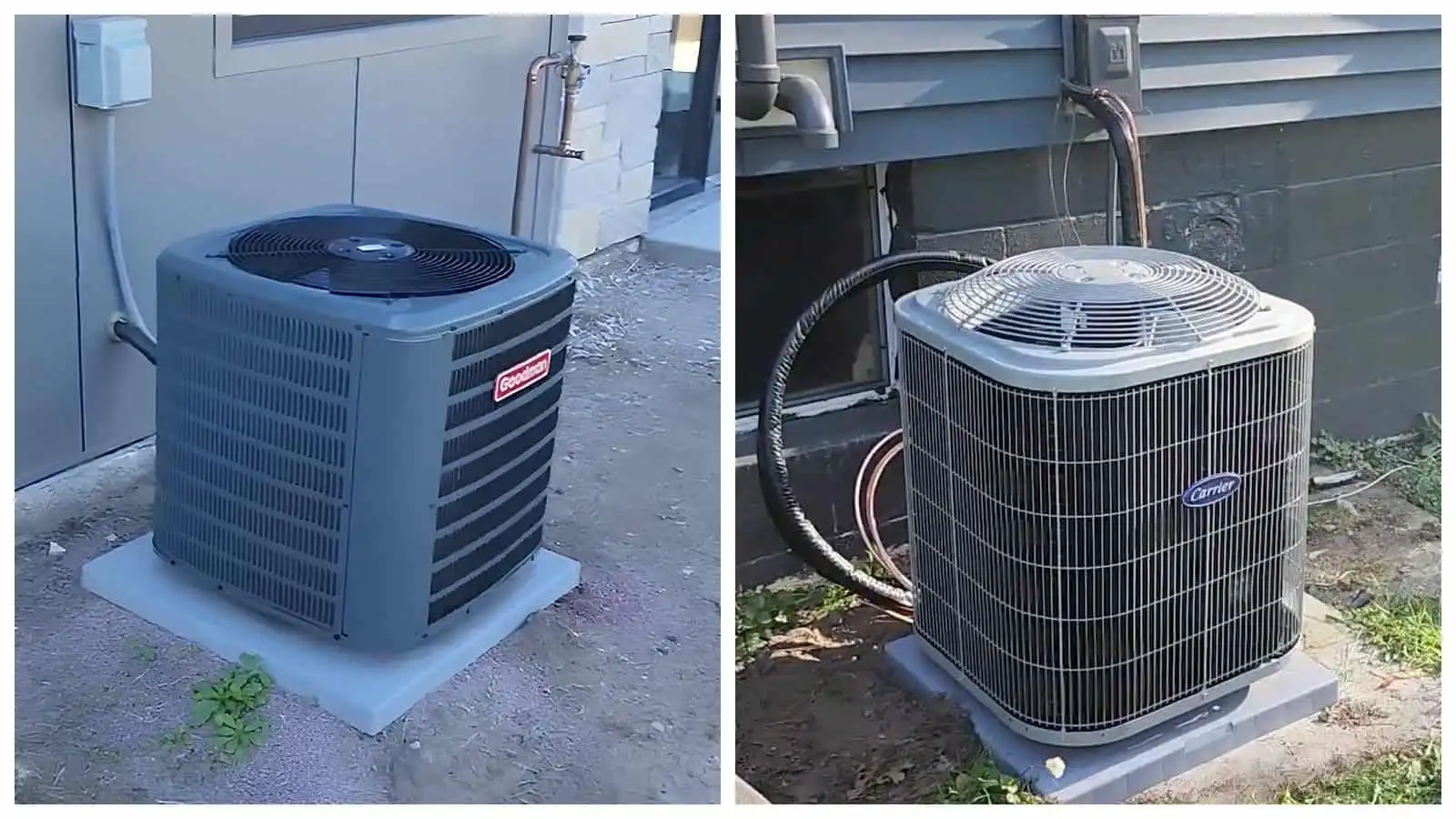
A single failure on an otherwise healthy system is usually worth repairing. The picture changes when several of these show up together:
- The system is 15 or more years old
- It runs on R-410A or older R-22 refrigerant
- Cooling bills keep climbing with no change in how you use it
- It needs repairs often, or one repair quote is large
- Cooling is uneven room to room, or the system short-cycles
- More dust or humidity than usual, or the house never quite cools in a heat wave
A common rule of thumb helps here: if a repair approaches roughly half the cost of replacement, or if the unit’s age multiplied by the repair cost climbs past about $5,000, replacement is usually the better long-term money. It’s a guideline, not gospel, but it’s a useful gut check.
Repair or Replace? How the Math Works in 2026
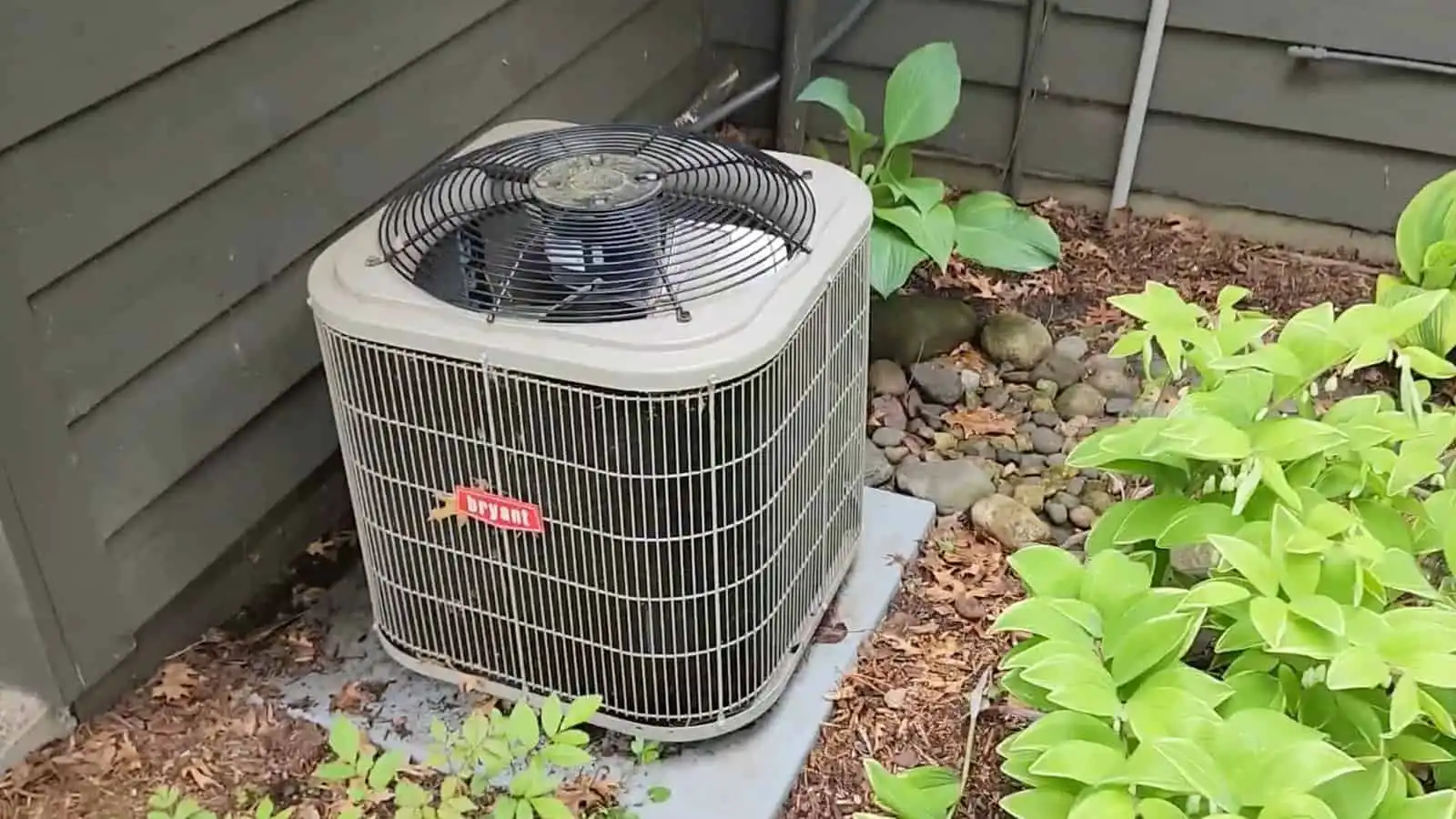
For most systems under 8 to 10 years old with an isolated problem, repair is the clear call. Over 12 years old with a major or refrigerant-related failure, replacement usually wins. The middle is where it gets case by case, and in 2026 the refrigerant situation tips more of those middle cases toward replacement.
Here’s why. Manufacturers stopped building R-410A systems at the start of 2025, and the industry is moving to newer A2L refrigerants, R-454B in ducted systems and R-32 in ductless ones. R-410A isn’t banned, and existing systems can still be serviced for years. But as supply tightens, the price of R-410A has been climbing, roughly 40 to 60 percent since the 2025 change, and homeowners are now paying meaningfully more per pound on a service call.
That matters most when an older system springs a refrigerant leak. A repair that involves recovering and recharging refrigerant, or replacing a leaking coil, carries a much bigger refrigerant line item than it did two years ago. A coil leak repair plus a full refill on a larger system can run $2,000 to $3,500, which lands within striking distance of a brand-new system. At that point, putting the money toward a new unit with a fresh warranty often makes more sense than pouring it into aging equipment.
To be clear, none of this is a legal deadline, and anyone telling you it’s “illegal” to keep your system is using a scare tactic. It’s purely economics. Our full guide to the R-410A phase-out and 2026 refrigerant changes breaks down the details if you want them.
Got a repair quote on an older system and aren’t sure it’s worth it? We’ll give you the honest repair-versus-replace numbers, not a sales pitch.
“They did a great job fixing my AC. They were fast, reasonably priced and the tech was nice and informative about what needed to be done.”
Grace Iace Brown, ⭐️⭐️⭐️⭐️⭐️ Google Review
What AC Replacement Costs in LA and Ventura County
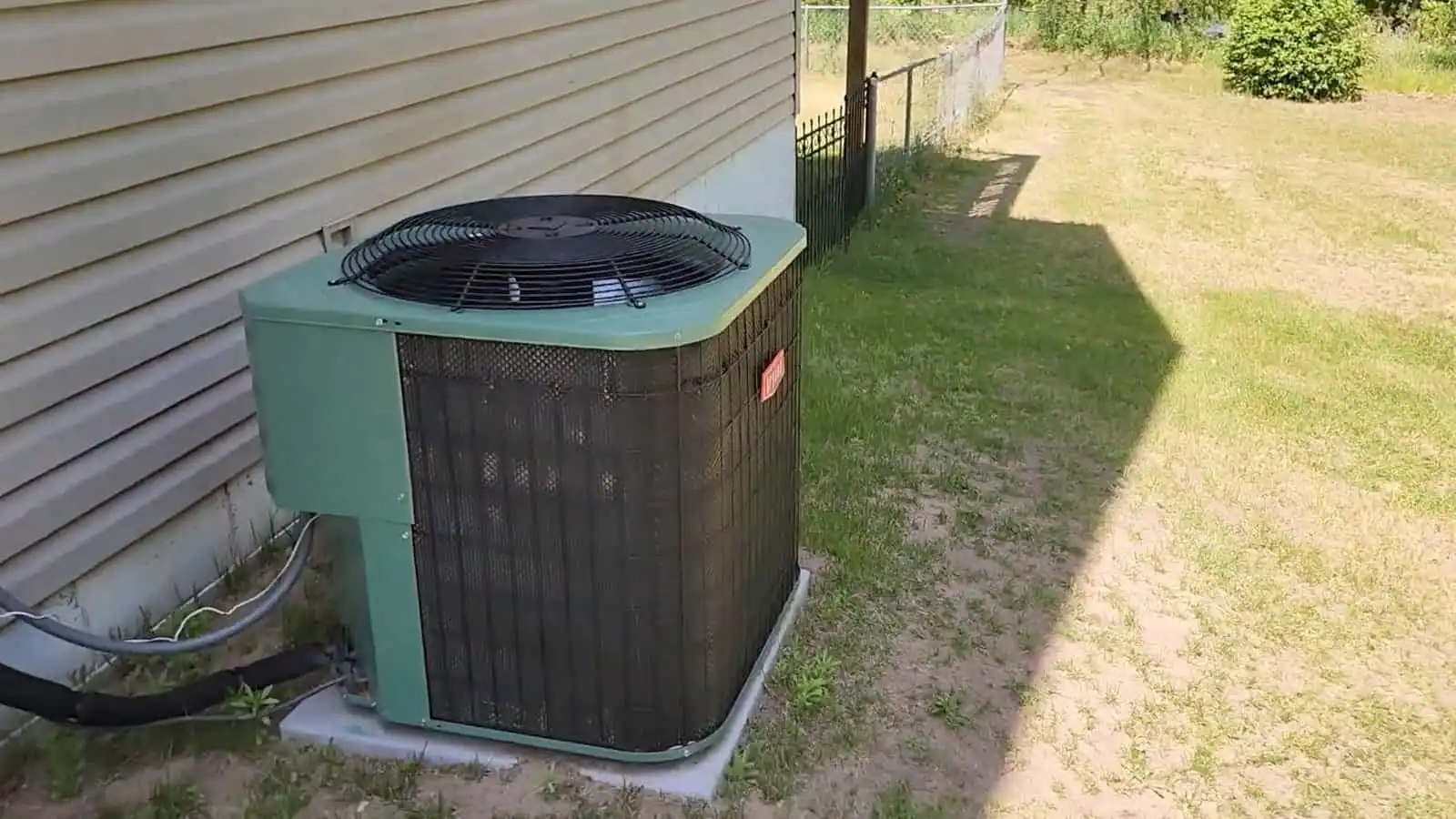
A straightforward central AC replacement in Los Angeles and Ventura County generally runs about $7,500 to $11,000 in 2026. Smaller or simpler jobs can come in lower, and high-efficiency systems, coastal corrosion-resistant equipment, or jobs that need new ductwork or electrical work can push higher, with complex projects reaching $15,000 or more.
A few things drive the number: system size, efficiency rating, the condition of your existing ductwork, and California’s Title 24 rules, which add permitting and duct-testing steps to any compliant install. The federal AC tax credit of up to $600 is locked in through 2032, and utility rebates through providers like LADWP and SCE can be stacked to further offset a high-efficiency upgrade.
For a full breakdown by system size and efficiency, see our AC installation cost guide for Los Angeles and Ventura County.
When you do shop, it’s worth confirming a system is ENERGY STAR rated so you’re not overpaying to run it.
Should You Replace Your AC With a Heat Pump?
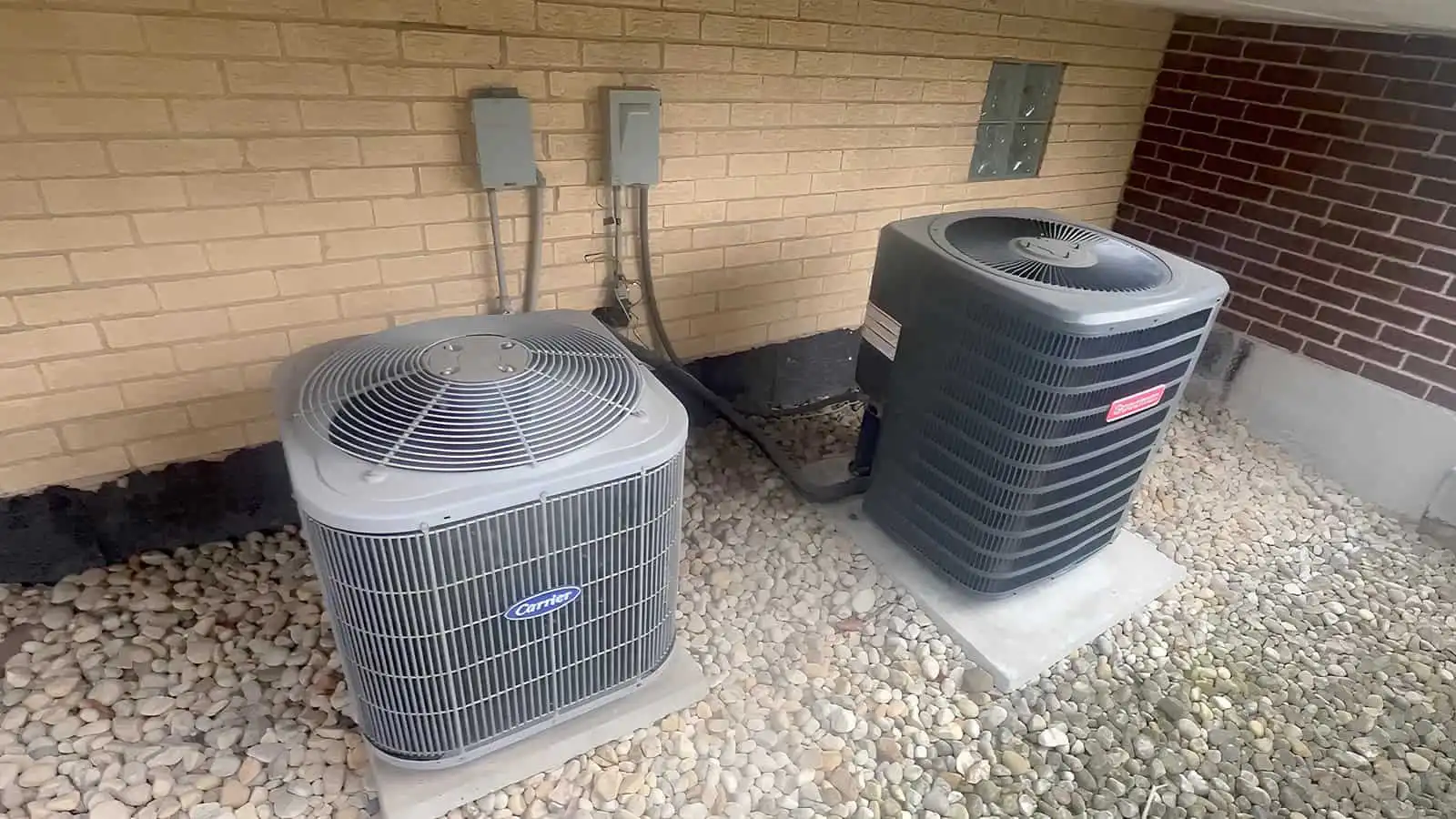
If you’re replacing the system anyway, this is the moment to at least compare a heat pump. A heat pump cools your home exactly like a central AC in summer, but it also heats in winter, which means one system instead of a separate AC and furnace.
For Southern California’s mild winters, that’s a strong fit, and it’s why a lot of homeowners here are making the switch. The economics help too. Between the $2,000 federal tax credit and active California state and utility rebate programs, the combined incentives can take a real bite out of the upfront cost. If your furnace is also aging, replacing both with a single heat pump often pencils out better than swapping in a new AC and keeping an old furnace alive.
It isn’t automatically the right call for every home, but it’s worth comparing with us before you commit to a like-for-like AC swap. Our heat pump vs AC comparison lays out the tradeoffs side by side.
A proper heat pump installation assessment will then tell you whether it fits your home and your budget.
How to Get More Years Out of the AC You Have
If your system is still in good shape, a few habits genuinely extend its life:
- Schedule a professional tune-up once a year, or twice a year once the system passes 10 years old
- Change or clean the filter every one to three months
- Comprehensive new R-8 insulated ductwork OR multi-zone reconfiguration with dampers and additional thermostats
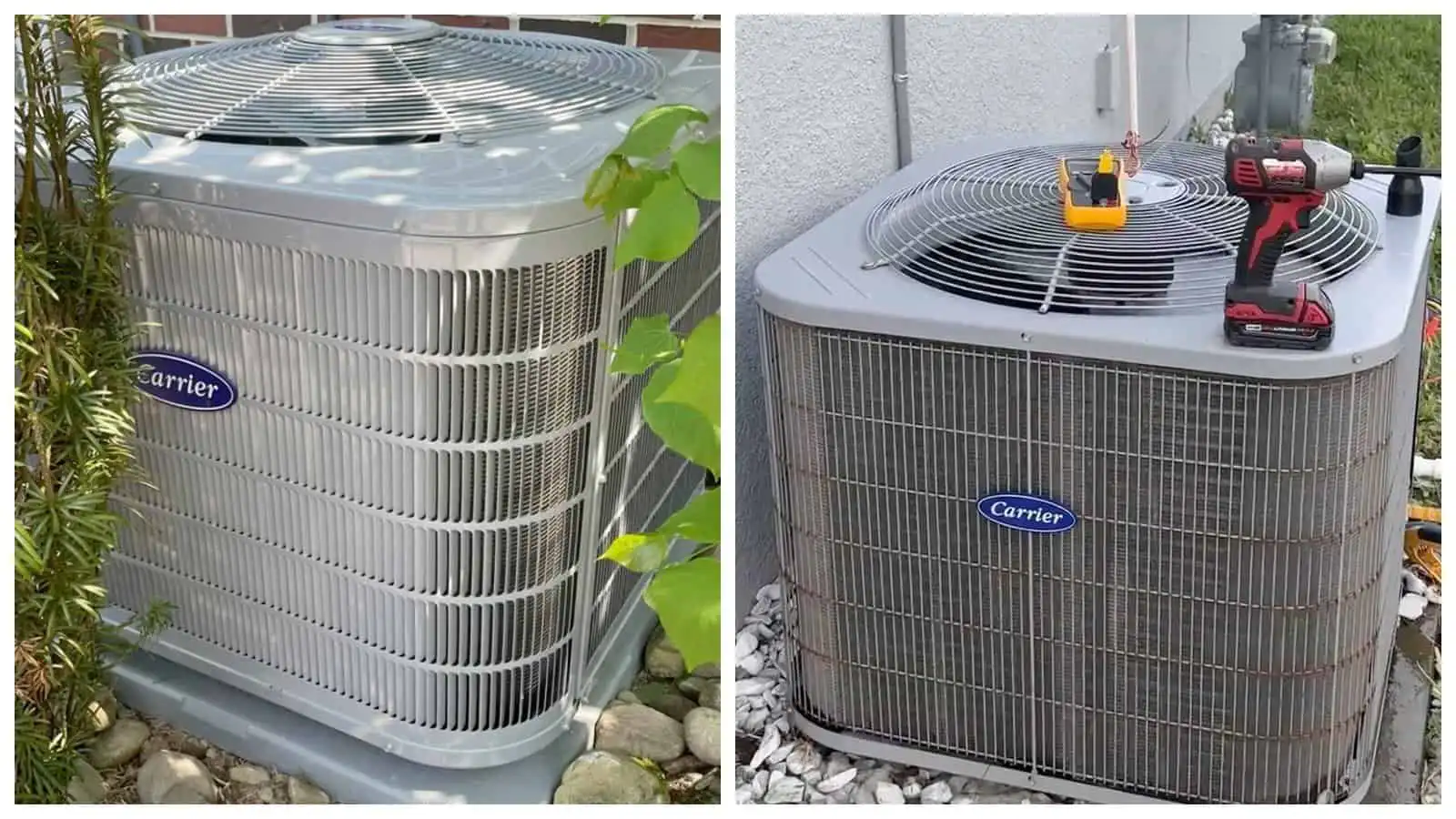
- Keep the outdoor unit clear of leaves, debris, and overgrown plants, and give it some shade where you can
- Seal and maintain ductwork so the system isn’t working harder than it needs to
- Address small problems early, before they strain the compressor
Regular maintenance can add years to a system and keep monthly bills down in the process. Our maintenance plans start at $99 a year for annual service or $199 a year for twice-yearly visits. On the coast, where salt air is hard on equipment, that regular care matters even more.
Want to keep your current system running as long as possible? A maintenance visit catches the small stuff before it becomes a breakdown.
“Prompt, knowledgeable, and left my home clean. I couldn’t be happier.”
Christina W. (Santa Clarita), ⭐️⭐️⭐️⭐️⭐️ Google Review
Frequently Asked Questions
How long should an AC last in Southern California?
Most central air conditioners last 15 to 20 years. In Southern California, long cooling seasons and, near the coast, salt air tend to push systems toward the lower end of that range. Regular maintenance is the biggest factor in reaching the higher end.
How do I know if I need a new AC?
The strongest signals are age (15-plus years), older R-410A or R-22 refrigerant, rising energy bills, frequent or costly repairs, and uneven cooling. If several of these show up at once, replacement is usually the better long-term value than another repair.
Is it worth repairing an old AC?
If the system is under about 10 years old and the problem is isolated, repair is usually worth it. For older units, a good rule of thumb is to lean toward replacement when a repair approaches half the cost of a new system, which happens more often now that refrigerant for older systems is getting expensive.
How long does a central AC unit last compared to a window unit?
Central air conditioners and ductless mini-splits typically last 15 to 20 years. Window units last far less, usually 5 to 8 years, because of their design and constant exposure to the elements.
Does the R-410A phase-out mean I have to replace my AC?
No. R-410A systems are not banned and can still be serviced for years. The phase-out affects new equipment manufacturing, not existing systems. What’s changing is cost: as R-410A supply tightens, repairs that involve refrigerant are getting more expensive, which can make replacement the smarter financial move on an aging unit.
How much does it cost to replace an AC in LA and Ventura County?
A typical central AC replacement runs about $7,500 to $11,000 in 2026, with simpler jobs lower and high-efficiency, coastal, or complex installs higher. Utility rebates can offset part of the cost. Our AC installation cost guide has the full breakdown.
Get a Straight Answer on Repair vs Replace
The hardest part of an aging AC is knowing whether to keep fixing it or let it go. We’ll walk your Los Angeles or Ventura County home, tell you honestly where your system stands, and lay out repair, replacement, and heat pump options with upfront pricing and no pressure.
Call 747-222-6259 or request your free AC installation estimate through our contact page for clear, honest guidance before you spend a dollar.