Most heat pump content online answers this question with a confident yes. We’re going to give you a different answer: it depends, and it depends on four specific things about your home. For some Los Angeles and Ventura County homeowners in 2026, a heat pump is genuinely the best financial move available. For others, the math doesn’t pencil out, and any contractor telling you otherwise is selling you a system, not a solution.
Key Takeaways
- A heat pump is worth it for SoCal homeowners with solar, LADWP service, both an AC and a furnace nearing end of life, or homes still on electric resistance heating.
- For SCE customers with no solar and a healthy gas furnace under 10 years old, a heat pump’s annual operating cost typically runs higher than a standard AC plus existing gas furnace setup at current 2026 rates.
- The federal Section 25C tax credit expired December 31, 2025. HEEHRA single-family rebates are fully waitlisted statewide. TECH Clean California is closed for new single-family HVAC reservations.
- LADWP’s largest heat pump rebates (up to $1,250/ton ducted) require ultra-high-efficiency equipment whose price premium often offsets most of the rebate, so it is rarely the payback lever it appears to be.
- Reliable is an approved GoGreen Home contractor offering standard rates from 3.58% to 9.48% APR, with 0% and 2% rates available only to qualifying low-income households in eligible disadvantaged communities.
- The honest test for whether a heat pump pays back in your home requires four specific data points about your solar status, utility provider, equipment age, and electrical panel capacity.
The 2026 math is different from the 2023 or 2024 math, and that matters. Three federal and state rebate programs that subsidized heat pump installations have either expired or filled their reservation quotas. Southern California Edison residential rates have pushed past 34 cents per kilowatt-hour on time-of-use plans. Refrigerant costs jumped as the industry moved from R-410A to R-454B. These changes shift the payback calculation by years in some cases. A page citing 2023 rebate figures or pre-rate-hike electricity prices is no longer telling you the truth about your investment.
How a Heat Pump Actually Saves (or Costs) You Money in Southern California
Heat pumps run on electricity. There’s no gas line, no propane, no second fuel source. The system takes electricity from the grid and uses it to move heat from outside your home to inside (heating mode) or from inside to outside (cooling mode). It’s the same physics as your refrigerator, scaled up.
That mechanism is why a heat pump can be efficient: it doesn’t generate heat by burning fuel or running a resistance element, it transfers existing heat from one place to another. A modern variable-speed heat pump delivers between 2 and 3 units of heating output for every 1 unit of electricity consumed during typical SoCal winter conditions. In industry terms, that’s a coefficient of performance (COP) of 2.0 to 3.0.
The efficiency advantage is real, but whether it translates to lower bills depends on one variable that has nothing to do with the equipment: the price per BTU of heat you’re paying for at your utility.
In Southern California in 2026:
- Southern California Edison residential electricity: $0.30/kWh Tier 1, $0.40/kWh Tier 2 on standard tiered plans; $0.34/kWh summer off-peak on the TOU-D-4-9PM plan
- Southern California Gas: $2.10/therm bundled residential average as of March 2026
When you do the BTU math, a high-efficiency heat pump running on standard SCE rates produces heat at roughly the same cost as a modern 80% AFUE gas furnace burning SoCalGas. Sometimes slightly cheaper, sometimes slightly more expensive, depending on the specific rate plan and the outdoor temperature. The “save money on heating” pitch that works in colder states with cheap electricity often doesn’t translate to SoCal at 34 cents a kilowatt-hour.
This is why the four variables matter so much: solar offsets the electricity cost, LADWP rates are different from SCE rates, replacing both an AC and a furnace at once changes the incremental cost math, and panel capacity changes whether the install requires an extra $3,500 to $7,500 in electrical work.
What Heat Pumps Cost to Run in LA & Ventura County (Real Numbers)
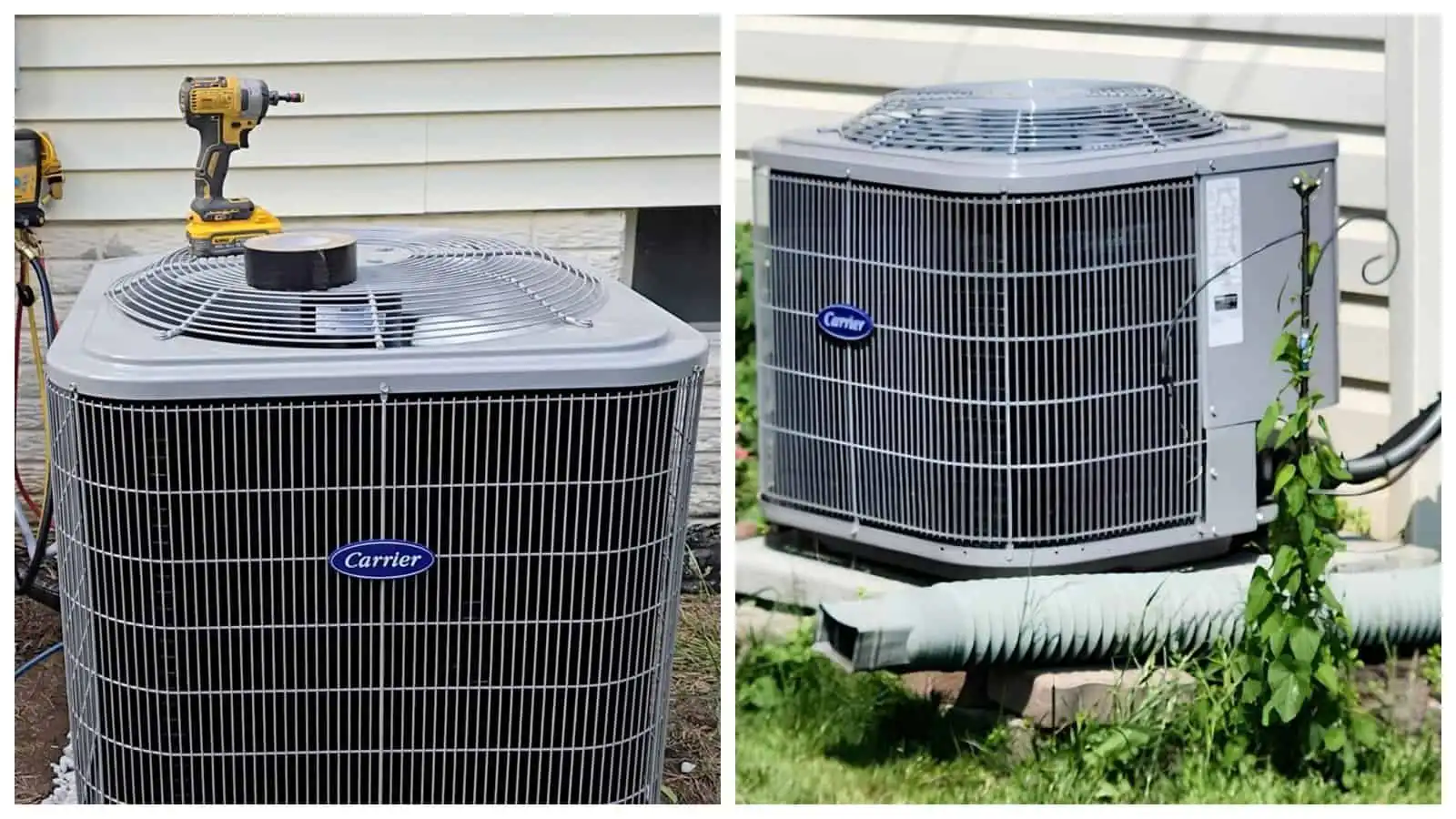
A 3-ton ducted heat pump installed in a typical 1,800 square foot Tarzana or Camarillo home will consume roughly 2 to 3 kWh per cooling hour during a summer afternoon, depending on outdoor temperature and how aggressively the thermostat is set. Over a typical SoCal cooling season (mid-June through late September), that adds up to between 1,800 and 2,800 kWh of electricity use just for cooling.
At SCE’s standard tiered Tier 2 rate of $0.40/kWh, that’s $720 to $1,120 in summer cooling cost. At the TOU-D-4-9PM off-peak rate of $0.34/kWh, it’s $612 to $952, but only if you run the system outside the 4-9pm peak window. Run it during peak and the rate jumps significantly higher.
Winter heating consumption in SoCal is dramatically lower than summer cooling. A typical Valley home runs maybe 200 to 500 kWh per month on heat pump heating during January and February, the coldest months. At Tier 1 rates that’s $60 to $150 a month for heat. A comparable gas furnace would use roughly 30 to 60 therms of gas over the same winter, costing $63 to $126 at the current $2.10/therm rate.
The honest summary: heat pump heating costs about the same as gas furnace heating in SoCal at current rates. The marketing claim that “heat pumps cut your heating bill in half” is broadly true in regions with 12-cent electricity and expensive heating oil. It is not true here. The savings story in SoCal is about replacing an old, inefficient AC with a modern high-SEER2 system, which the heat pump happens to do in cooling mode. The heating side is essentially neutral on cost compared to a modern gas furnace.
Get an honest annual operating cost estimate for your home before you commit to anything.
“My AC stopped working, so I found this company online. They responded quickly and arrived within a few hours. The technician diagnosed the issue, replaced the motor, and had my system up and running the same day. Excellent service. I highly recommend them to anyone needing AC repair!”
Matin Sed, ⭐️⭐️⭐️⭐️⭐️ Google Review
Heat Pump vs Gas Furnace: Which Actually Costs Less to Operate?
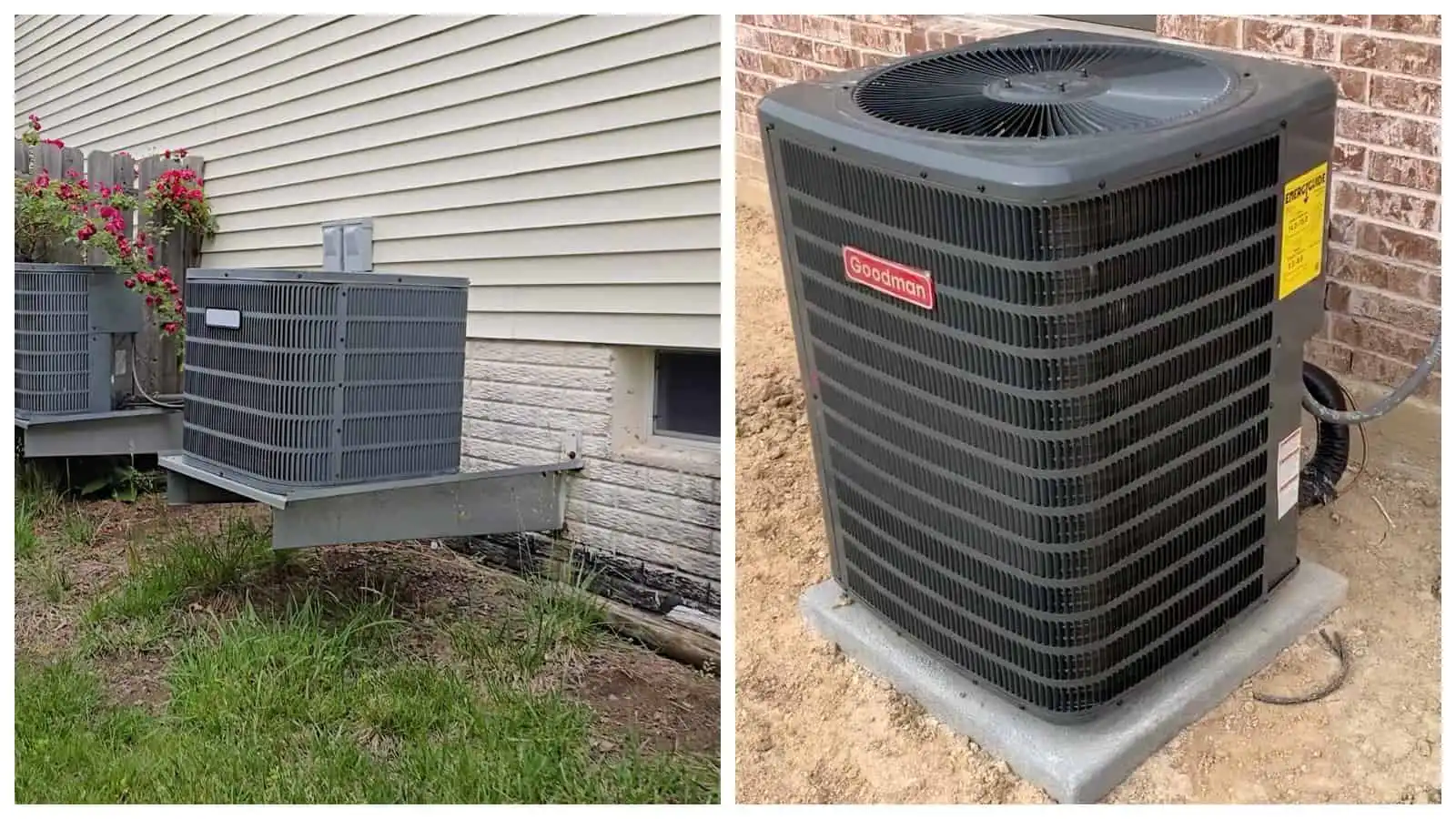
This is where the 2026 SoCal math diverges from the national headline. A heat pump replaces both your AC and your gas furnace with one piece of equipment. On the cooling side, a SEER2-rated heat pump is functionally identical to a SEER2-rated AC of the same efficiency, so cooling cost is roughly the same either way. The difference is what happens on the heating side.
Here’s an annual operating cost comparison for a representative 1,800 sq ft SoCal home, using 2026 rate data:
| Cost component | Heat pump (SCE, no solar) | AC + 80% AFUE gas furnace |
| Summer cooling electricity | $700 to $1,100 | $700 to $1,100 |
| Winter heating energy | $300 to $600 (electricity) | $250 to $500 (gas) |
| Annual operating cost | $1,000 to $1,700 | $950 to $1,600 |
For a no-solar SCE customer with a healthy gas furnace, the annual operating cost numbers are close enough that any “you’ll save thousands per year” claim is a sales tactic, not arithmetic. The honest answer is that operating costs are roughly equivalent at current rates.
The math changes in three specific situations:
With solar (NEM 2.0 or NEM 3.0 with battery): Solar exports during peak summer offset most or all of the heat pump’s electricity consumption. The operating cost on a heat pump for a solar-equipped home commonly runs $400 to $700 lower per year than the AC plus gas furnace alternative. Payback math suddenly works.
On LADWP instead of SCE: LADWP residential electricity rates are notably lower than SCE rates, typically in the 20 to 26 cents per kWh range depending on tier and season. The same 3-ton heat pump on LADWP service runs roughly $300 to $500 cheaper per year to operate than on SCE service, and LADWP also offers heat pump rebates that SCE customers can’t access.
Replacing electric resistance or old wall heaters: If your existing heat is from baseboard electric, an electric furnace, or old wall heaters, a heat pump cuts your heating electricity consumption by roughly two-thirds. This is the only scenario where the “heat pumps cut your heating bill” claim is unambiguously true in SoCal. Annual heating cost savings can run $600 to $1,200 or more.
For more detail on the technical comparison, our heat pump vs furnace breakdown for Southern California covers the equipment and reliability side beyond just the operating cost question.
Why Heat Pumps Are More Efficient Than Air Conditioners
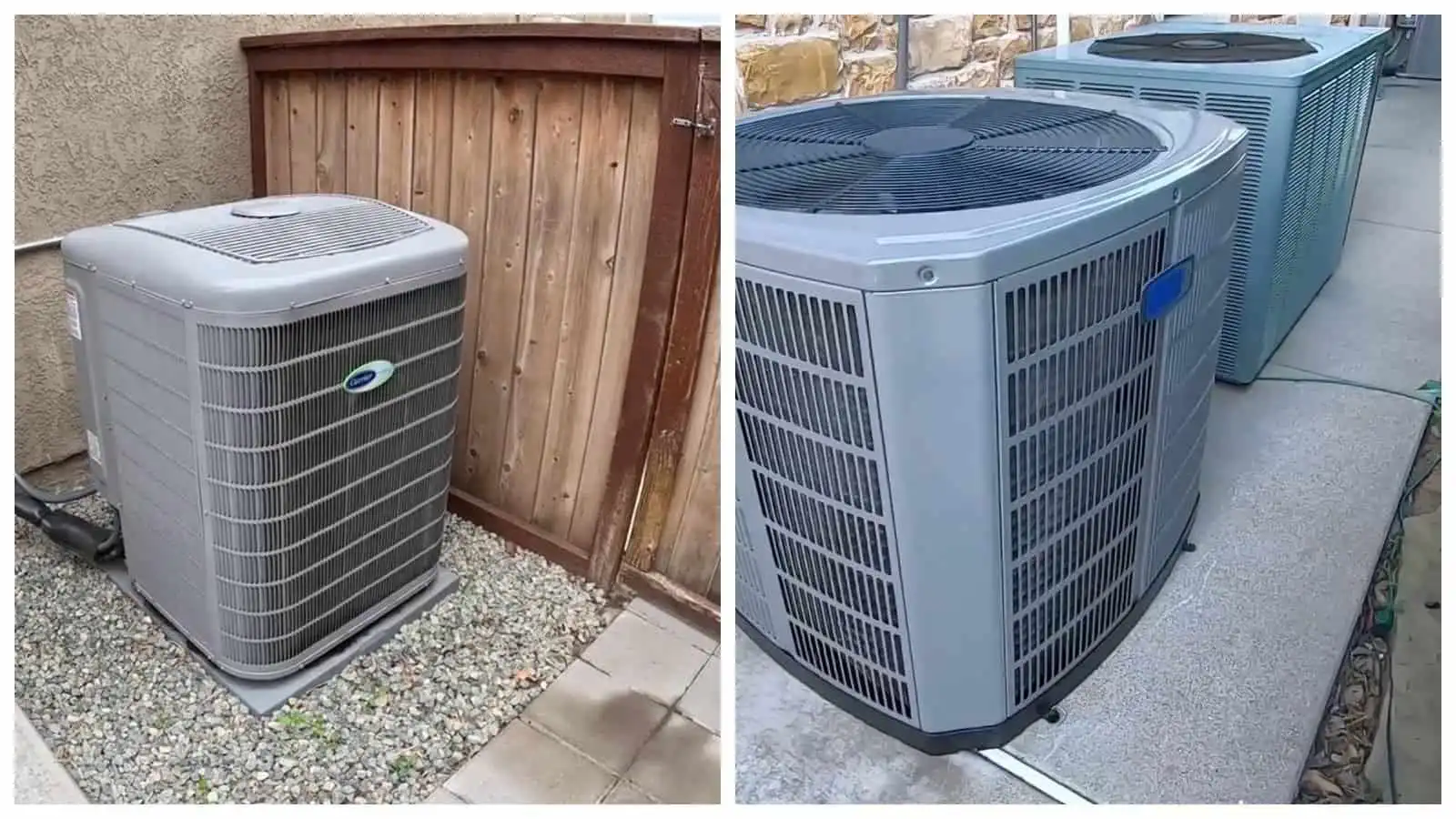
This question gets asked a lot, and the answer is more nuanced than the typical marketing claim. A heat pump operating in cooling mode IS an air conditioner. The refrigerant cycle is identical. A SEER2-rated heat pump running cooling will deliver exactly the same cooling efficiency as a SEER2-rated dedicated AC of the same rating. There’s no magic cooling efficiency advantage.
What’s actually true: a heat pump replaces two pieces of equipment (an AC and a furnace) with one piece of equipment that does both jobs. The household efficiency improvement comes from consolidating the gas combustion appliance into an electric one, not from the heat pump being a better air conditioner. If you currently run an old SEER 10 or SEER 13 AC alongside a gas furnace, swapping in a SEER2 17 or 18 heat pump cuts cooling electricity use significantly. But that’s because you upgraded from an old AC to a new one, not because the new unit is a heat pump.
The upfront cost difference: a comparable heat pump typically runs $1,500 to $3,500 more than a SEER2-equivalent AC alone. That premium pays back if your gas furnace was about to need replacement anyway (because you’re buying one unit instead of two over the next 10 years), or if you’re moving onto solar where the all-electric setup compounds savings. It doesn’t pay back if you’re trying to lower your operating costs while keeping a healthy gas furnace in place.
See exactly what equipment makes sense for your specific home before you start comparing quotes.
“Installed the new AC quickly same day when mine broke on the hot summer day what a lifesaver!”
David Dorfman, ⭐️⭐️⭐️⭐️⭐️ Google Review
Heat Pump Payback Period in Southern California: When You Actually Break Even
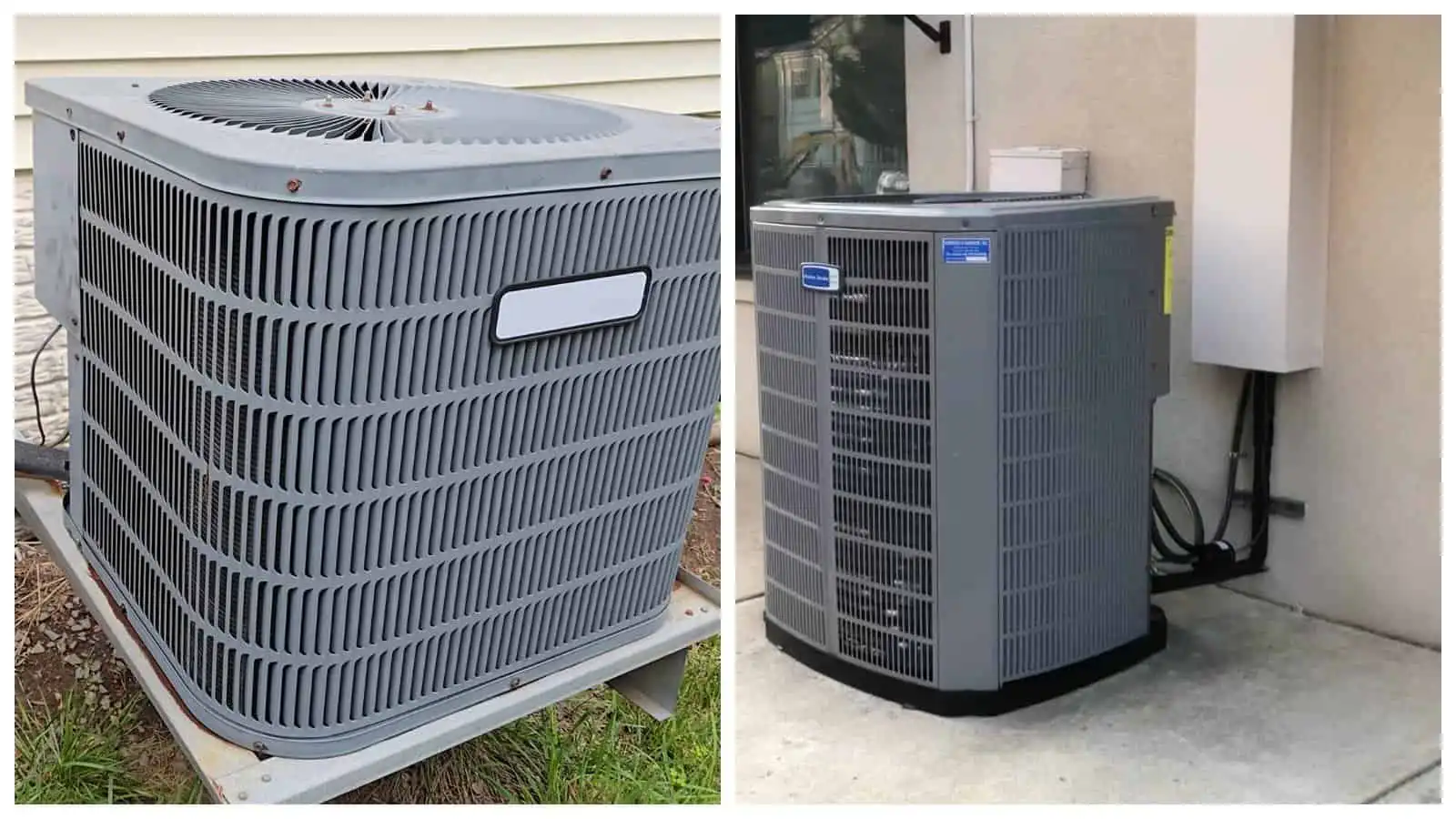
The honest payback math for a 2026 SoCal heat pump install splits into four scenarios. Pick the one that matches your home.
Scenario A: SCE customer, no solar, healthy gas furnace under 10 years old. Payback in operating cost terms often never materializes. Annual savings versus your current AC plus gas furnace setup are negligible, sometimes negative depending on rate plan choices. The capital cost of the heat pump (typically $9,000 to $18,000 for a 3-ton ducted system after the loss of the federal 25C credit) doesn’t recover through operating savings. The case for a heat pump here is comfort, equipment consolidation, or future solar planning, not bill reduction.
Scenario B: SCE customer with solar (NEM 2.0 or NEM 3.0 plus battery). Payback typically runs 6 to 9 years. Solar production offsets the heat pump’s electricity consumption during the daytime hours that matter most, and the heat pump compounds the solar investment by giving you a second appliance running on free electrons. This is the cleanest financial case for a heat pump in SoCal.
Scenario C: LADWP customer (Los Angeles city limits). Payback typically runs 5 to 8 years, driven mainly by LADWP’s lower base electricity rates rather than rebates. LADWP does offer heat pump rebates (up to $1,250/ton ducted, $2,500/ton ductless), but the top amounts require ultra-high-efficiency equipment above 19.6 SEER2 whose price premium offsets much of the rebate for a typical home. The real advantage here is the lower per-kWh rate, which cuts operating cost every month regardless of equipment tier. LADWP service is the single biggest external factor that turns “maybe” into “yes.”
Scenario D: Both your AC and furnace are dying in the same year. This is the simplest math of all. If you’re going to spend $7,000 to $9,000 on a new AC and another $5,000 to $8,000 on a new gas furnace within the next 12 months, the incremental cost of installing one heat pump instead is small. Payback on the incremental spend can be immediate from a system-replacement accounting standpoint. The decision becomes about long-term ownership cost rather than current bill reduction.
For a deeper breakdown of installation costs by system size and configuration, see our heat pump installation cost guide for LA and Ventura County.
When a Heat Pump Is Worth It for Your Home (And When It Isn’t)
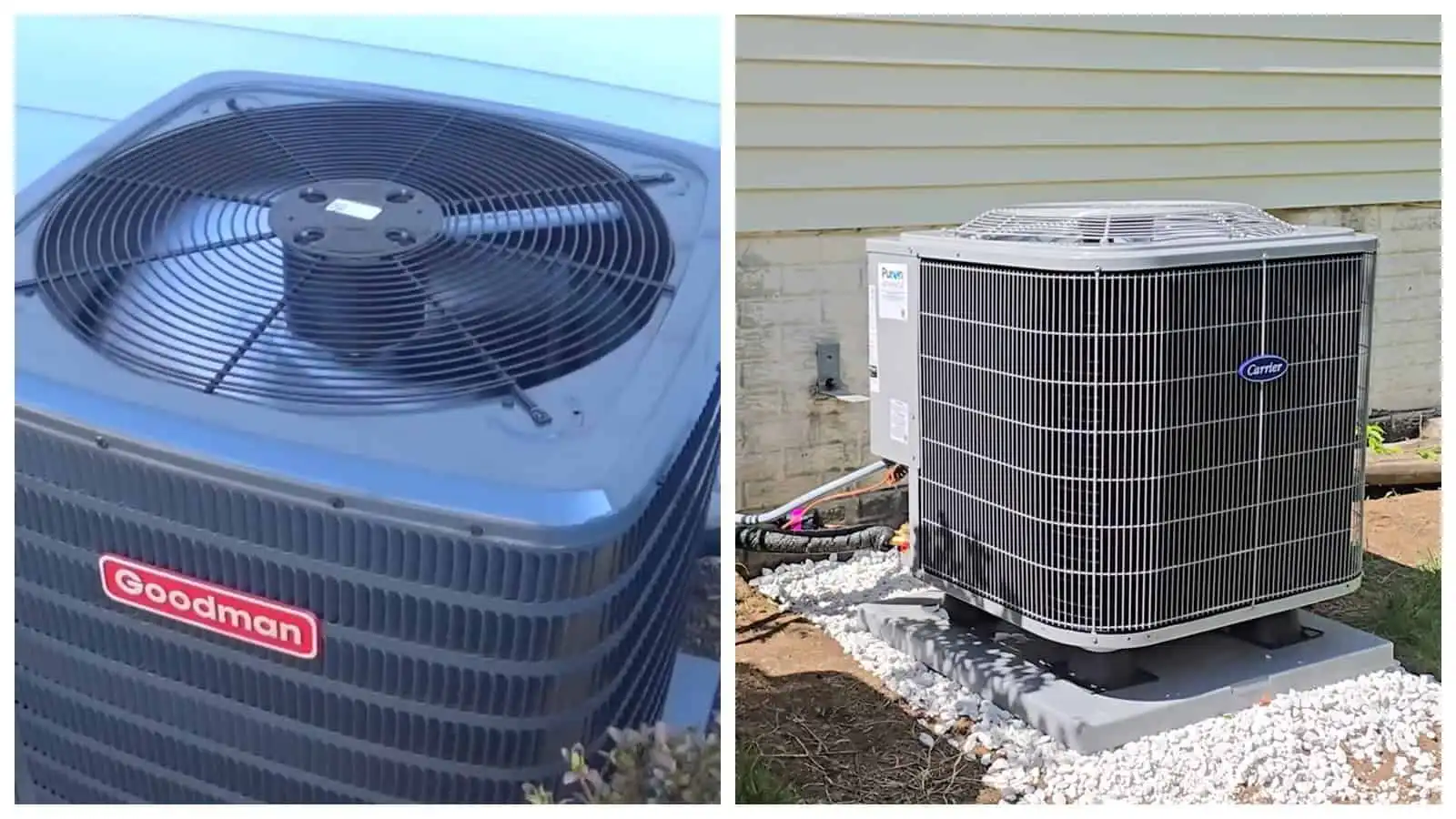
Worth it if any of these apply:
- You have solar already installed, or you’re committed to installing solar within the next 24 months
- You’re an LADWP customer
- Your AC is over 12 years old AND your gas furnace is over 12 years old
- You currently heat with baseboard electric, an electric furnace, or wall heaters
- You’re remodeling and the panel, electrical, and ductwork work is already happening
- You want a single piece of equipment handling both heating and cooling rather than maintaining two separate systems
Probably not worth it if any of these apply:
- You’re an SCE customer with no solar AND your gas furnace is under 10 years old AND it’s working fine
- Your electrical panel is 100-amp and would require a $3,500 to $7,500 upgrade to handle a heat pump’s electrical load
- You’re trying to solve a specific equipment failure (your AC died) on a tight budget, and your furnace is fine (replace the AC alone)
- You’re a renter or planning to sell within 3 years (you won’t recover the premium)
A common objection: “I read that heat pumps don’t work in cold weather, and even though we’re in LA, what about January nights?” Heat pumps are now standard equipment in Maine, Minnesota, and Maritime Canada, where winter overnight lows hit -10°F regularly. Modern variable-speed cold-climate heat pumps maintain rated capacity down to about 5°F. The SoCal winter is not the limiting factor on heat pump performance. The limiting factor here is the electricity rate, not the temperature.
For more on cold-weather operation, see our heat pumps in cold weather guide.
Get a free assessment that tells you which of these scenarios actually applies to your home.
“They did a great job fixing my AC. They were fast, reasonably priced and the tech was nice and informative about what needed to be done.”
Grace Iace Brown, ⭐️⭐️⭐️⭐️⭐️ Google Review
Why Your Heat Pump Electric Bill Might Be Higher Than Expected
If you already own a heat pump and your SCE bill is running higher than you expected, the issue is usually one of these:
Oversized equipment. A heat pump sized too large for your home short-cycles, meaning it turns on and runs for a few minutes, shuts off, then restarts. Short cycling burns more electricity per unit of conditioning delivered, wears out the compressor faster, and produces inconsistent indoor temperatures.
The 4-9pm peak rate trap. SCE’s TOU-D plans charge significantly more per kWh during the 4pm to 9pm window than during off-peak hours. Running your heat pump heavily during that window is the single biggest avoidable cost driver on a TOU plan. A smart thermostat scheduled to pre-cool the house aggressively from noon to 4pm and then ride the thermal mass through peak hours can cut peak electricity consumption by 40% or more.
Emergency Heat / Auxiliary Heat running unnecessarily. Some heat pump thermostats default to engaging electric resistance backup heat whenever the indoor temperature drops more than 1 or 2 degrees below setpoint. Resistance heat is roughly 3 times more expensive to run than the heat pump’s primary cycle. If your thermostat has an “Em Heat” or “Aux Heat” indicator that lights up regularly during winter, that’s worth checking with us before assuming the heat pump itself is the problem.
Incorrect refrigerant charge from a bad installation. A heat pump undercharged or overcharged by even 10% from manufacturer spec loses 5 to 15% of its rated efficiency. This is a common find on systems installed by lower-tier contractors. A proper system check measures superheat, subcool, and refrigerant pressure at the lineset, and adjusts to manufacturer spec.
Dirty coils, clogged filter, blocked airflow. Restricted airflow forces the heat pump to work harder for the same output. A neglected system can lose 20 to 30% of its rated efficiency over 3 to 5 years of unmaintained operation.
Available Heat Pump Incentives in 2026 (Updated)
The 2026 incentive landscape is significantly more constrained than 2023 or 2024. Here’s exactly what’s available right now:
Active and reliable:
- SCE utility rebates for qualifying high-efficiency heat pump systems. Currently the most consistently available utility rebate path for SoCal homeowners outside LADWP service territory.
- LADWP heat pump rebates if you’re in LADWP service territory. The top amounts (up to $1,250/ton ducted, up to $2,500/ton ductless) require ultra-high-efficiency equipment above 19.6 SEER2, and that equipment carries a price premium that often offsets much of the rebate for a typical home. Most homeowners find a standard high-efficiency system the better value once the premium is factored in. Worth checking with us which programs realistically apply to your equipment.
- GoGreen Home Energy Financing. Reliable is an approved GoGreen Home contractor, which means we can process your financing directly through participating lenders like USC Credit Union and Cal Coast Credit Union. Standard rates run 3.58% to 9.48% APR. The widely-marketed 0% and 2% rates are reserved for low-income households in or within half a mile of designated disadvantaged communities, capped at a $30,000 project size, with the project required to include a heat pump or heat pump water heater. Worth checking with us whether your address qualifies before counting on the promotional rate.
Waitlisted or closed:
- HEEHRA (Home Electrification and Appliance Rebates) single-family rebates have been fully reserved statewide since February 24, 2026. Waitlisted projects are only eligible if the heat pump is installed AFTER the reservation is officially approved. Installing first and applying retroactively disqualifies the rebate. This is a meaningful trap to know about: a homeowner who installs in good faith expecting a waitlist approval can forfeit thousands of dollars if the sequencing is wrong. Reliable is on the HEEHRA approved contractor list, so when waitlist allocations reopen we can process qualifying projects directly.
- TECH Clean California single-family HVAC and heat pump water heater incentives effectively closed for new reservations statewide in November 2025.
Expired:
- Federal Section 25C tax credit expired December 31, 2025. New installations after that date are not eligible.
For the full breakdown of current incentive options and how to apply, see our California heat pump rebates and incentives guide.
“Prompt, knowledgeable, and left my home clean. I couldn’t be happier.”
Christina W. (Santa Clarita), ⭐️⭐️⭐️⭐️⭐️ Google Review
Frequently Asked Questions
Will a heat pump lower my electric bill?
For most SCE customers without solar, no. A heat pump replaces gas heating with electric heating, which shifts cost from your SoCalGas bill to your SCE bill. Total household energy spending stays roughly flat at 2026 rates. For solar customers, LADWP customers, and homeowners replacing electric resistance heat, a heat pump can lower the combined utility bill meaningfully.
Does a heat pump increase electric bill?
Yes, predictably. You’re moving heating energy consumption onto the electric meter. The increase depends on how much heating you do and what your gas bill was before. For most LA and Ventura homes, the electric bill goes up by $100 to $300 over the heating season, with the gas bill dropping by a similar amount.
Why is my electric bill so high with a heat pump?
The most common causes are oversized equipment short-cycling, running heavy loads during the 4-9pm SCE peak rate window, electric resistance auxiliary heat engaging unnecessarily, incorrect refrigerant charge from a bad install, or restricted airflow from dirty coils and filters. A proper system check identifies which one is driving your specific bill.
How can I lower my electric bill with a heat pump?
Three highest-leverage moves: switch to a time-of-use rate plan and program your thermostat to pre-cool before the 4pm peak window, disable Emergency Heat / Auxiliary Heat mode unless temperatures actually warrant it, and book a refrigerant charge and airflow check to confirm the system is operating to manufacturer spec. If your panel can handle solar, that’s the largest single intervention available.
Do heat pumps really save money in California?
Depends entirely on the four variables: solar status, utility provider, equipment age, and panel capacity. Solar customers, LADWP customers, and homeowners replacing an end-of-life AC and furnace at the same time typically see real savings. SCE customers with no solar and a healthy gas furnace typically don’t see operating cost savings at 2026 rates.
How much money do heat pumps save per year in Los Angeles?
For a solar-equipped home: $400 to $900 per year typical, depending on usage. For an LADWP customer: $300 to $700 per year typical. For an SCE customer with no solar replacing electric resistance heat: $600 to $1,200 per year. For an SCE customer with no solar and a healthy gas furnace: often $0 to $100 per year, sometimes a slight increase.
What’s the average heat pump electric bill in Southern California?
A typical 3-ton ducted heat pump in a 1,800 sq ft SoCal home adds roughly $80 to $150 per month to the electric bill during peak summer cooling months, and $30 to $80 per month during peak winter heating months. Spring and fall months are minimal. Total annual electricity for the heat pump runs roughly $700 to $1,300, before subtracting any solar offset.
How many years until a heat pump pays for itself?
5 to 8 years for LADWP customers, 6 to 9 years for SCE customers with solar, immediately on a system-replacement basis when both AC and furnace need replacing at once, and often never for SCE customers with no solar and a healthy existing gas furnace. Get a real number for your specific home before committing.
Ready for an Honest Answer About Your Specific Home?
The question “are heat pumps worth it” doesn’t have one answer for Los Angeles and Ventura County. It has your answer, based on your solar status, your utility, your equipment, and your panel.
Reliable Heating and Air runs the math both ways before quoting any system. If the numbers say a high-SEER2 AC plus your existing gas furnace is the better financial outcome for your home, that’s what we’ll recommend, and we’ll quote the AC alone. If the numbers say a heat pump pays back, we’ll show you the rebates and financing options that actually apply to your situation and back the install with a 1-year labor warranty and a 10-year manufacturer warranty. Licensed company, CSLB License #1135270, owner-operated since 2017.
Call us at 747-222-6259 or use the contact form to schedule a free in-home assessment that includes a real annual operating cost comparison.