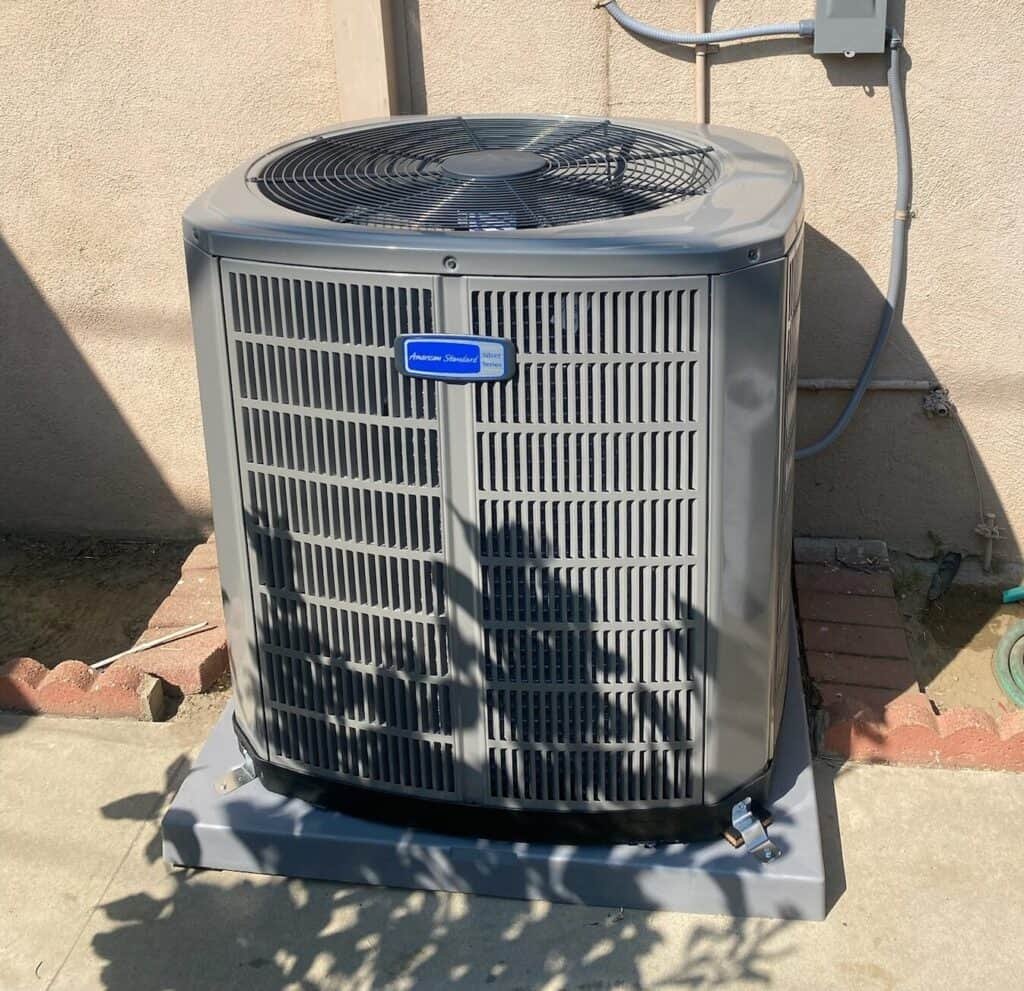
It’s 98 degrees in the Valley, the air conditioner is humming away, and the house still feels like an oven. When your AC runs but the air isn’t cold, or it’s cool at the vent but never drops the thermostat reading, something in the cooling chain has broken. Some causes you can check in five minutes. Others need a technician.
This guide covers why an AC blows warm air, why it cools some rooms but not the whole house, and why it can run all afternoon without lowering the temperature. You’ll know what to try yourself and when to call for a diagnostic.
Key Takeaways
- The usual reasons an AC runs but won’t cool are a dirty filter, a frozen coil, low refrigerant from a leak, or a thermostat set or wired wrong.
- Start with the cheap fixes: a clogged filter can ice up the coil, and filters should be changed every one to three months through a SoCal summer.
- Warm air at the vents usually points to a refrigerant, compressor, or outdoor-unit fault, none of which are safe DIY repairs.
- A house that cools unevenly or stays humid is often losing 20 to 30 percent of its cooled air through leaky ducts, or is undersized for the load.
- If your system is 15-plus years old and on R-410A, a major cooling failure is the point to weigh replacement, since refrigerant prices have climbed since 2025.
- Shutting the system off before it freezes solid, then booking a diagnostic, beats letting it run and burning out the compressor.
We diagnose, repair, and replace cooling systems across Los Angeles and Ventura County through peak summer, so this is the same first-look advice we give homeowners on a service call.

Your AC runs but the house won’t cool

An air conditioner that runs nonstop without cooling is telling you the cold air is either not being made or not reaching you. Two different problems, and sorting them takes seconds.
Hold your hand at a supply vent. If the air is warm or room temperature, the system isn’t producing cold air, which points to refrigerant, the compressor, or the outdoor unit. If the air is cold there but the house still won’t drop, the cooling is being made and then lost to leaky ducts, an undersized system, or a home gaining heat faster than the unit can pull it out. On a 105-degree Woodland Hills afternoon, even a healthy AC can only pull the indoor temperature so far below the outside air.
AC blowing warm air

Warm air from the vents is the most alarming symptom, and usually the most serious. A couple of causes are simple. Most are not.
Check the simple ones first. The thermostat may have been bumped to “heat” or “fan on” instead of “cool” and “auto,” or the outdoor breaker tripped and the condenser stopped while the indoor fan kept blowing. If those are fine, the likely causes are low refrigerant from a leak, a failed compressor, or a blown capacitor in the outdoor unit. When the outdoor unit can’t compress refrigerant, the fan just circulates air that never gets cooled. None of these are homeowner fixes, and running the system this way can burn out the compressor, the most expensive part to replace.
If you’ve checked the thermostat and breaker and the vents still blow warm, get a professional look before the compressor takes the hit.
They did a great job fixing my AC. They were fast, reasonably priced and the tech was nice and informative about what needed to be done.
Grace Iace Brown, ⭐⭐⭐⭐⭐ Google Review
Airflow problems: filter, coils, and vents

Airflow is where most fixable AC problems live, and where you can actually do something yourself.
Start with the filter. A clogged filter starves the system of air, and SoCal summer filters load up fast, so change or clean it every one to three months. A dirty filter can also freeze the evaporator coil solid. If you see ice on the copper lines or the indoor unit, switch the AC off and let it thaw for a few hours with the fan running, because ice blocks airflow completely. If it keeps re-freezing after a filter change, that points to refrigerant.
Then the outdoor coil. After a Santa Ana wind event, fine dirt, brush debris, and wildfire ash pack into the condenser fins and choke the unit’s ability to dump heat. A gentle garden-hose rinse, working from the inside of the coil out, can restore a surprising amount of cooling. Last, walk the house and make sure supply vents and returns aren’t blocked by furniture.
Low refrigerant (and why it isn’t a DIY fix)

Refrigerant carries heat out of your home, so a system low on it will run without cooling. Here’s what homeowners miss: an AC doesn’t use up refrigerant over time. If it’s low, there’s a leak.
Signs include warm air at the vents, ice on the copper lines, a hissing or bubbling sound near the indoor unit, and cooling that has gotten worse across the season. Topping it off without finding the leak just leaks out again, and refrigerant handling is regulated, so this isn’t a safe or legal DIY job. Cost matters in 2026 too. Most older systems run on R-410A, and manufacturers stopped building new R-410A equipment in early 2025 as the industry shifts to A2L refrigerants, R-454B in ducted systems and R-32 in ductless ones. R-410A isn’t banned and your system can still be serviced, but supply has tightened and prices have climbed roughly 40 to 60 percent, so a leak repair plus recharge now costs meaningfully more.
A refrigerant leak needs a licensed and insured company to find, seal, and recharge it correctly, and we can tell you the same day whether it’s worth fixing.
My AC stopped working, so I found this company online. They responded quickly and arrived within a few hours. The technician diagnosed the issue, replaced the motor, and had my system up and running the same day. Excellent service. I highly recommend them to anyone needing AC repair!
Matin Sed, ⭐⭐⭐⭐⭐ Google Review
Thermostat, power, and the outdoor unit

Before assuming the worst, rule out the boring culprits that mimic a broken AC.
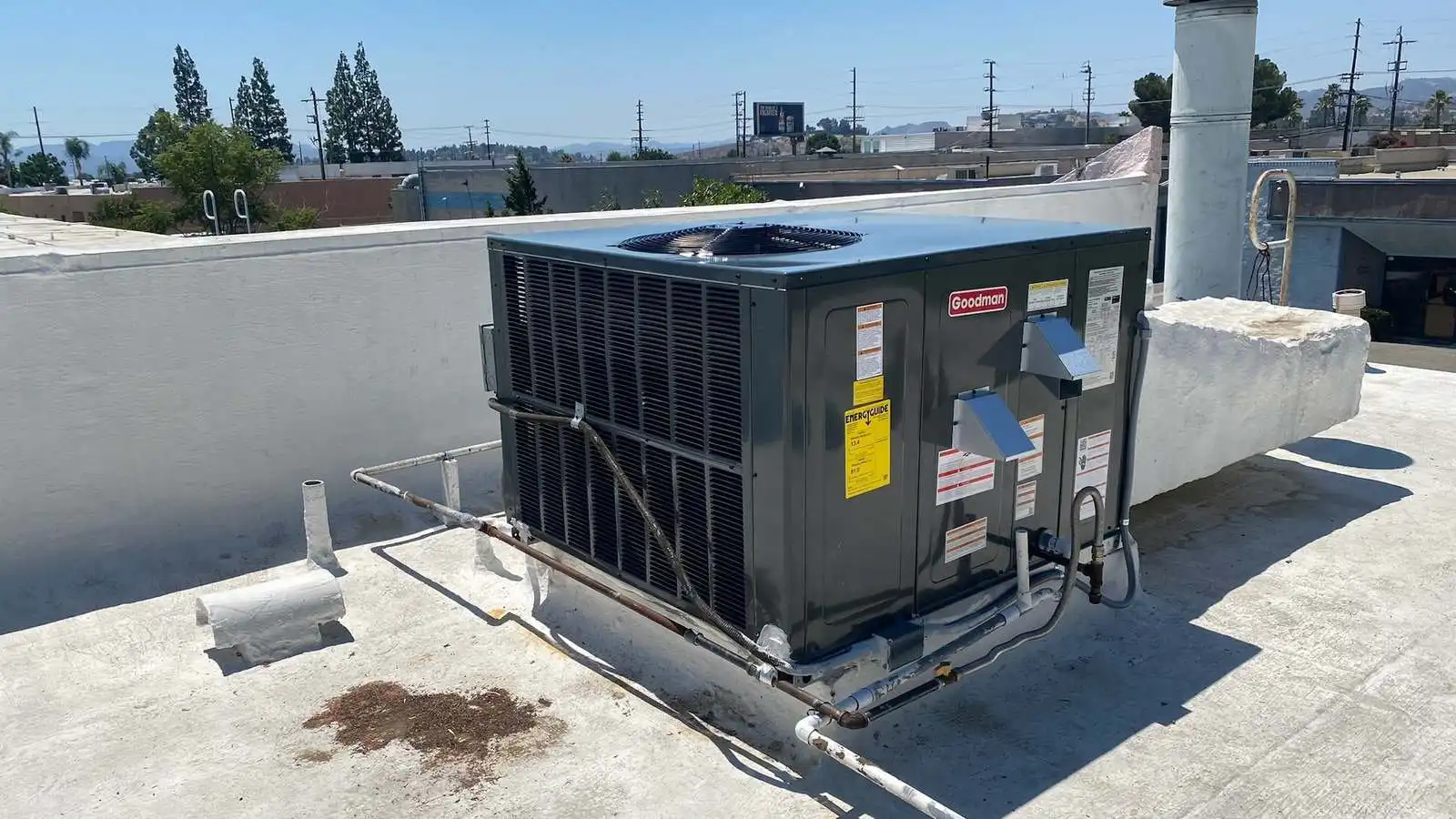
Thermostat first: confirm it’s set to “cool,” the target is below room temperature, and the batteries aren’t dead. A blank screen can stall the whole system. Power next: a central AC runs on two circuits, one for the indoor air handler and one for the outdoor condenser. If the outdoor breaker trips, the indoor fan keeps blowing warm air while the condenser sits dead. Reset the breaker once. If it trips again, stop, that’s an electrical fault a technician needs to see. Finally, walk outside and look at the unit. A condenser that hums but doesn’t spin often has a failed capacitor, a common and repairable part. A silent unit points to power or the contactor. Clear debris packed against it, but leave the electrical diagnosis to a pro.
Cooling, but not enough, or leaving the house humid

Sometimes the AC cools, just not enough, or it lowers the temperature but leaves the air clammy. Both are real problems even when the system technically works.
Not cooling enough usually comes down to load versus capacity. On a triple-digit day, an aging or slightly undersized system can’t keep up, especially in a west-facing Valley home baking in afternoon sun. Ductwork running through a hot attic can lose 20 to 30 percent of its cooled air before it reaches the rooms, so the unit runs full tilt while the house stays warm. Humidity is the other half. A right-sized AC pulls moisture from the air as it cools, but an oversized system short-cycles and shuts off before it dehumidifies, and a system low on refrigerant or running a dirty coil won’t remove moisture either. If your Oxnard or coastal home feels cool but sticky, that’s usually an airflow, sizing, or refrigerant issue worth a professional look.
If your system runs all day and still can’t beat the heat, a diagnostic tells you whether it’s a fixable airflow issue or a system that’s reached its limit.
Installed the new AC quickly same day when mine broke on the hot summer day what a lifesaver!
David Dorfman, ⭐⭐⭐⭐⭐ Google Review
When “not cooling” means it’s time to replace

Most “not cooling” calls end in a repair. But a few point to a system that’s finished, and it’s worth knowing the difference before you sink money into old equipment.
The warning signs stack up: the system is 15 or more years old, runs on R-410A, has needed several repairs lately, and the current failure involves the compressor or a refrigerant leak. When a coil-leak repair plus recharge on an aging R-410A system climbs toward a few thousand dollars, that money is often better put toward a new unit with a fresh warranty. Our guide to how long AC units last in Los Angeles and Ventura County works through the repair-versus-replace math in detail.
If you’re replacing anyway, compare a heat pump, which cools exactly like an AC but also heats, and qualifies for the federal tax credit of up to $600 plus LADWP and SCE rebates. A proper heat pump installation assessment will tell you whether it fits your home.
For the cost side of a straight AC swap, our AC installation cost guide has the breakdown by system size.
When you do shop, confirming a unit is ENERGY STAR rated keeps you from overpaying to run it. None of this is a legal deadline, and anyone claiming your R-410A system is “illegal” is using a scare tactic. It’s purely economics.
Frequently Asked Questions
Why is my AC running but not cooling?
Either the system isn’t making cold air or it isn’t reaching your rooms. Warm air at the vents points to refrigerant, the compressor, or the outdoor unit. Cold air at the vents with a warm house points to leaky ducts, undersizing, or blocked airflow.
Why is my AC blowing warm air?
Check the simple causes first: a thermostat set to “heat” or “fan,” or a tripped outdoor breaker. If those are fine, warm air usually means low refrigerant, a failed compressor, or a blown capacitor in the outdoor unit, all of which need a technician.
Can a dirty filter stop my AC from cooling?
Yes. A clogged filter chokes airflow enough to weaken cooling and can freeze the evaporator coil solid, which blocks air entirely. Change or clean the filter every one to three months during a SoCal summer, and check for ice on the indoor unit.
Why isn’t my AC cooling the whole house?
Uneven cooling usually means the cold air is lost or isn’t enough for the load. Ducts in a hot attic can leak 20 to 30 percent of their cooled air, and an undersized system can’t keep a west-facing home cool on a triple-digit day.
Is low refrigerant why my AC isn’t cooling?
It’s a common cause, showing up as warm vents, ice on the lines, or a hissing sound. An AC doesn’t burn through refrigerant, so low levels mean a leak that a licensed and insured company needs to find and seal, not just refill.
When should I call a pro?
Call once you’ve checked the thermostat, breaker, and filter and the system still won’t cool, or any time you see ice, hear hissing, smell burning, or feel warm air at every vent. Turn the system off first so it doesn’t ice up or strain the compressor.
Get a Straight Diagnosis, Fast

When your AC won’t cool in the middle of a heat wave, the fastest route to a cool house is a proper diagnosis, not guesswork. We’ll come to your Los Angeles or Ventura County home, find exactly why the system isn’t cooling, and lay out honest options with upfront pricing and no pressure. Same-day diagnostic visits are available through peak summer, and repair timing depends on parts once we know what’s wrong.
Call 747-222-6259 or book your AC repair visit through our contact page to get cool air back into your home.