A furnace making noise is telling you something. The soft whoosh of the burners lighting and the steady hum of the blower are normal. Loud banging at startup, high-pitched squealing, metal-on-metal scraping, constant rattling or a loud electrical buzz are not, and most of them get worse, and more expensive, the longer the furnace keeps running.
Across Los Angeles and Ventura County, most furnaces sit idle from spring until the first cold nights of November, so this is when these sounds show up. This guide explains what each furnace noise usually means, what you can safely check yourself, and when to turn the heat off and call.
The short version:
- Banging or booming when the heat starts: often delayed ignition. Turn the furnace off and call.
- Squealing or screeching: usually the blower motor or a worn belt.
- Rattling: a loose panel or screw, or something more serious inside.
- Humming or buzzing: often an electrical part such as a capacitor or motor.
- Clicking over and over with no flame: an ignition problem.
Furnace Making Noise? Normal Sounds vs. Warning Signs
Every gas furnace makes some noise. A healthy heating cycle sounds like this: a click from the thermostat, the small inducer fan spinning up, a soft whoosh as the burners light, then the blower coming on about a minute later. Metal panels can tick quietly as they warm up and cool down.
What is not normal is anything loud, sudden or metallic, or a sound that gets worse from one week to the next. Those are the furnace noises below.
Furnace Banging Noise When the Heat Turns On
A single loud bang or boom a few seconds after the burners try to light is the furnace noise to take most seriously. It usually means delayed ignition: gas collects in the burner area for a moment, then lights all at once.
Common causes are burners that got dusty after months of sitting idle, a weak hot surface ignitor, or a dirty flame sensor. Repeated delayed ignition is hard on the furnace over time.
What to do: turn the furnace off at the thermostat and schedule service. Do not keep cycling it to see whether the bang comes back.
Furnace Squealing or Screeching Noise
A high-pitched squeal usually comes from the blower. Most newer furnaces use a motor that drives the blower directly, so squealing often points to worn motor bearings. On older belt-drive furnaces, a worn or loose belt is the usual culprit.
A dirty, clogged filter makes the blower strain and can cause a whistle that sounds similar.
What to do: replace the filter first. If the squeal continues, schedule a repair before the motor fails completely.
Furnace Rattling Noise
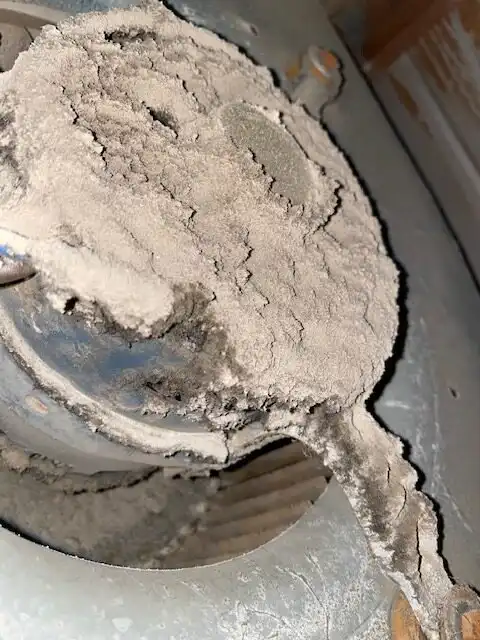
Rattling can be as simple as a loose access panel or screw vibrating while the blower runs. It can also come from a loose motor mount, a blower wheel that is out of balance or caked with dust, or, in older furnaces, a crack in the heat exchanger.
What to do: with the furnace off, make sure the front panels are seated and the screws are snug. If the rattle continues, have the furnace inspected, especially if it is more than 15 years old.
Furnace Humming or Buzzing Noise
A low hum while the blower runs is normal. A loud buzz, or an electrical hum while nothing else happens, usually points to an electrical part: a failing capacitor, a blower motor trying to start but unable to, a relay or a transformer.
What to do: if you hear buzzing and the blower does not start, turn the furnace off so the motor does not overheat, and call.
Furnace noise not going away?
Schedule furnace repair with Reliable Heating and Air. Same-day service is available when the schedule allows, and the diagnostic fee is credited toward approved repairs.
Prefer to book online? Schedule service here. If it can’t wait, see our emergency HVAC repair page.
Clicking, Scraping and Other Furnace Sounds
Repeated clicking with no heat
One click at the start of a cycle is normal. Clicking over and over with no flame usually means the ignitor, the flame sensor or the gas valve is not doing its job.
Scraping or grinding
Metal-on-metal scraping often means the blower wheel has come loose or a motor bearing has failed. Turn the furnace off right away to avoid more damage.
Whistling
A whistle is usually an airflow problem, such as a clogged filter or closed or blocked vents. Check those first.
What You Can Safely Check Before You Call
- Check the air filter and replace it if it is dirty.
- Make sure supply vents and return grilles are open and not blocked by furniture or rugs.
- With the furnace off, confirm the access panels are firmly in place.
- Note when the noise happens: at startup, while running or at shutdown. That detail helps the technician.
- Test your carbon monoxide alarms. The CPSC carbon monoxide guide explains why they matter.
Leave burners, gas valves and wiring to a professional. If you smell gas, leave the house and call SoCalGas or 911 from outside.
When to Turn the Furnace Off and Call
- Loud banging or booming when the burners light
- Scraping, grinding or other metal-on-metal sounds
- A loud buzz while the blower will not start
- A burning smell that does not fade after the first few minutes of the season
- A carbon monoxide alarm going off
We offer same-day service when available across Los Angeles and Ventura Counties. In the San Fernando Valley, see furnace repair in Sherman Oaks or furnace repair in Encino. If the problem is no heat at all rather than noise, our heater not working guide walks through ten safe checks.
Repair or Replace a Noisy Furnace?
A furnace making noise usually needs a repair, not a replacement: cleaning the burners, replacing an ignitor or flame sensor, or a new blower motor or capacitor.
Replacement is worth considering when the furnace is 15 to 20 years old, needs repeated repairs, or has a cracked heat exchanger. At that point, compare a new furnace with a heat pump. See furnace installation in Sherman Oaks or our guide to replacing a furnace with a heat pump.
Furnace Noise FAQs
Some noise is normal: a click from the thermostat, the inducer fan spinning up, a soft whoosh as the burners light, and the blower starting a minute later. A loud bang, boom, screech or grinding sound is not normal and should be checked.
Most often it is delayed ignition. Dirty burners, a weak ignitor or a dirty flame sensor let gas build up for a moment before it lights all at once. Turn the furnace off and have it serviced rather than letting it keep cycling.
Some noises are only annoying, like a loose panel. Others, such as banging at ignition or rattling from an older furnace, can point to problems that affect safety. If you are not sure, turn the furnace off, have it inspected, and make sure your carbon monoxide alarms work.
Usually the blower motor bearings are wearing out or, on older belt-drive furnaces, the belt is worn or loose. A clogged filter can also make the blower whistle. Replace the filter first; if the noise continues, schedule a repair.
It depends on the cause, which is why we diagnose first and give you the price before any work begins. The diagnostic is $85 and is applied toward the repair when you go ahead with it.
Many of them, yes. A yearly tune-up cleans the burners and flame sensor, checks the blower and electrical parts, and catches worn parts before they get loud. Our furnace maintenance checklist explains what a good tune-up covers.
Furnace making noise? We can help
Reliable Heating and Air is a family-owned HVAC company serving Los Angeles and Ventura Counties. We find the cause, give you the price before any work begins, and offer same-day service when available.
Prefer to book online? Schedule service here. If it can’t wait, see our emergency HVAC repair page.