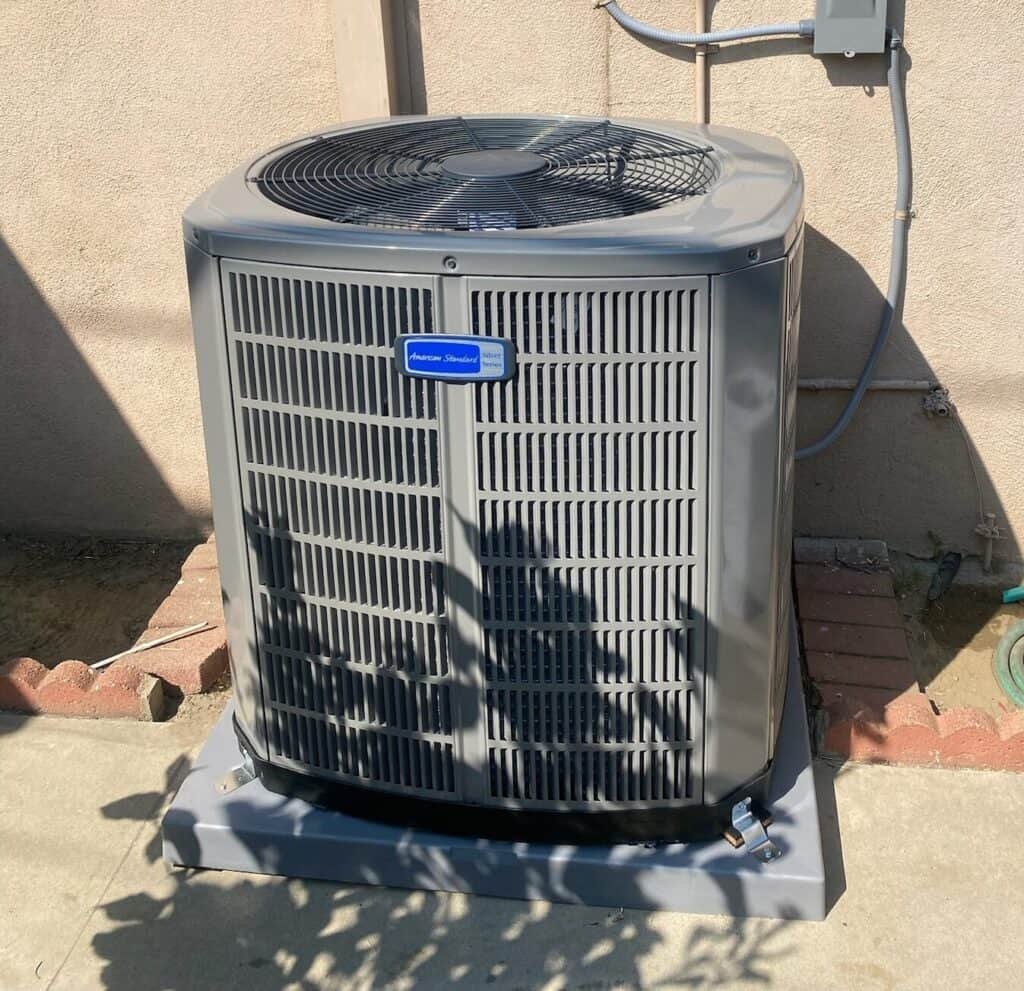
The first cool nights of fall bring the same call to every HVAC company in Los Angeles and Ventura County: the heater isn’t working. A furnace that sat idle through a long Southern California summer gets switched on, and it blows cold air, smells like it’s burning, or doesn’t start at all.
Many of those calls turn out to be a setting, a filter or a switch. This guide comes from Reliable Heating and Air, a family-owned HVAC contractor that repairs furnaces across the San Fernando Valley, Los Angeles, Ventura County and Santa Clarita. Start with the checks below. Most take a few minutes and need no tools. If you have a heat pump instead of a gas furnace, see our heat pump not heating guide instead.
The short version:
- A dusty burning smell the first time the heat runs this season is normal and should fade within an hour or so.
- Thermostat settings, a clogged air filter, the furnace power switch and the blower door explain a lot of no-heat calls.
- A heater blowing cold air most often means the fan is set to On, or the burners are shutting off on a safety.
- If you smell gas, leave the house and call SoCalGas at 1-800-427-2200 or 911 from outside. Don’t troubleshoot.
That burning smell the first time you turn on the heat
Most furnaces here sit unused from spring to fall, and dust settles on the burners and heat exchanger the whole time. The first few times the heat runs, that dust burns off. A light, dusty smell that fades within an hour or so is normal. Open a window and let it run.
Other smells are not normal:
- Rotten eggs or sulfur means a possible gas leak. Leave the house and call SoCalGas at 1-800-427-2200 or 911 once you are outside.
- Hot electrical, plastic or rubber smells can mean an overheating motor or wiring. Turn the furnace off at the thermostat and the power switch, and call.
- A burning smell that keeps coming back after the first few cycles is worth having checked.
10 quick checks before you call
These are safe for any homeowner and fix a real share of no-heat calls:
- Thermostat mode and setpoint. Mode on Heat, the setpoint a few degrees above room temperature, and no schedule or eco setting overriding it.
- Thermostat batteries. A blank or dim screen often means dead batteries. Many thermostats that run on batteries stop calling for heat before the screen goes completely dark.
- Fan setting. Set the fan to Auto. On keeps the blower running between heating cycles, and that air feels cold.
- The furnace power switch. Most furnaces have a switch that looks like a light switch on or near the unit, often in the attic, a closet or the garage. It gets turned off by accident more often than you’d think.
- The breaker. Reset a tripped furnace breaker once. If it trips again, leave it off and call.
- The blower door. The front panel presses a safety switch. If the panel is loose or was put back crooked after a filter change, the furnace won’t run.
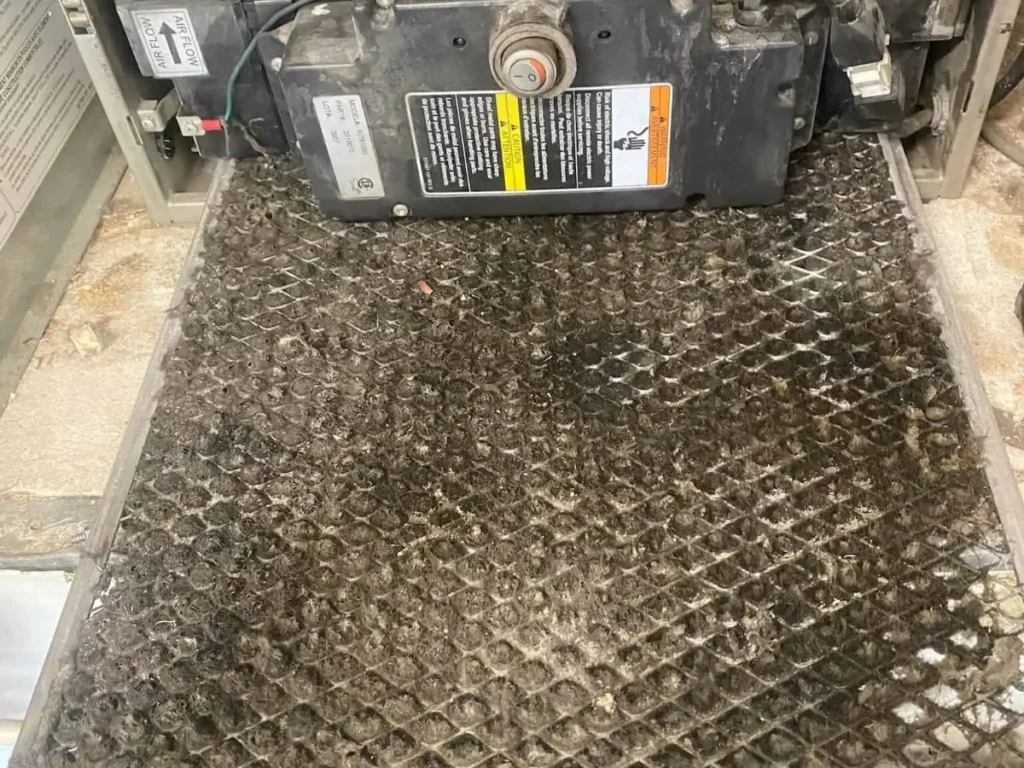
- The air filter. A clogged filter chokes airflow, the furnace overheats, and the burners shut off while the blower keeps running. Replace it if it is gray and you can’t see light through it.
- Gas to the furnace. If your stove or water heater works, gas is reaching the house. The shutoff valve on the line to the furnace should have its handle parallel to the pipe.
- Vents, returns and outdoor pipes. Open the supply registers and keep the return grille clear. High-efficiency furnaces vent through white PVC pipes; make sure the outside ends aren’t blocked by leaves or debris.
- The status light. Most furnaces have a small LED behind a window in the lower panel. Count the blinks and match them to the chart on the panel door. That code is the most useful thing you can tell a technician.
What not to do: don’t keep resetting a breaker that trips, don’t tape down or bypass the door switch, and don’t remove burner or control covers. Never relight a pilot or restart a furnace if you smell gas. Most furnaces installed in recent decades don’t have a standing pilot light at all; they light electronically.
Still no heat?
Schedule a furnace repair visit with Reliable Heating and Air. Same-day service is available when the schedule allows, and the diagnostic fee is credited toward approved repairs.
Prefer to book online? Schedule service here. If it can’t wait, see our emergency HVAC repair page.
Heater blowing cold air
This is the most common complaint on the first cold week of the season. The usual causes, from simplest to most involved:
- The fan is set to On. The blower runs all the time, so between heating cycles you feel unheated air.
- The furnace just started. Many furnaces start the blower before the heat exchanger is fully warm, so the first minute or so of air can feel cool.
- The burners shut off on a safety. When a furnace overheats, usually from a clogged filter or closed vents, a limit switch shuts the burners off while the blower keeps running to cool it down. The air goes cold and the furnace may restart and repeat the cycle.
- The burners never lit. A dirty flame sensor, a failed ignitor or a gas supply problem can leave the furnace trying to light and giving up.
Furnace won’t turn on at all
If nothing happens when you turn up the thermostat, no click, no fan, no light, the problem is almost always power or controls. Check the power switch, the breaker, the blower door and the thermostat batteries first. If those are fine, a technician will look at the thermostat wiring, the control board and its fuse, and, on high-efficiency furnaces, a float switch that shuts the furnace off when the condensate drain backs up.
Furnace turns on, then shuts off
Pay attention to how long it runs. A furnace that lights and shuts off within a few seconds usually can’t prove it has a flame, so the control board shuts the gas off. A furnace that runs for several minutes and then shuts off is usually overheating. Either way, the status light code tells most of the story.
What technicians usually find
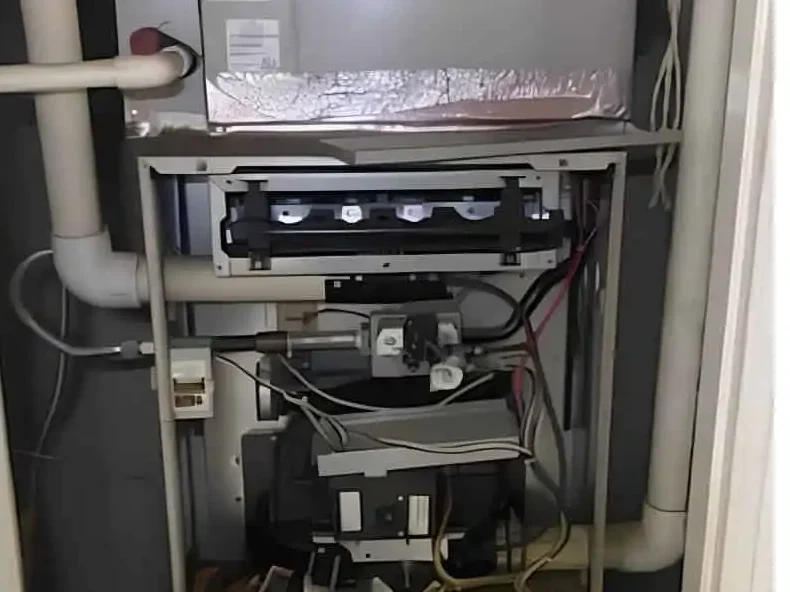
A dirty flame sensor
The flame sensor is a thin metal rod that sits in the burner flame and tells the control board the burners actually lit. After months of sitting, a light coating on the rod can keep it from reading the flame, and the furnace shuts down seconds after lighting. Cleaning or replacing it is one of the most common fall repairs.
A failed ignitor
Most modern furnaces light the burners with a hot surface ignitor that glows like a light bulb filament. Ignitors are fragile and wear out. If it cracks, the furnace goes through its startup, never lights, and eventually locks out.
Pressure switch, inducer motor or venting
Before the burners light, a small inducer fan pulls combustion gases through the vent, and a pressure switch confirms the vent is clear. A failing inducer motor, a cracked hose, a blocked vent or a backed-up condensate drain on a high-efficiency furnace keeps that switch from closing, and the furnace won’t light.
Limit switch and overheating
A limit switch shuts the burners off when the furnace gets too hot. It is a safety device and usually a symptom: the real problem is restricted airflow from a clogged filter, a dirty blower wheel or blocked returns.
Control board, blower motor or capacitor
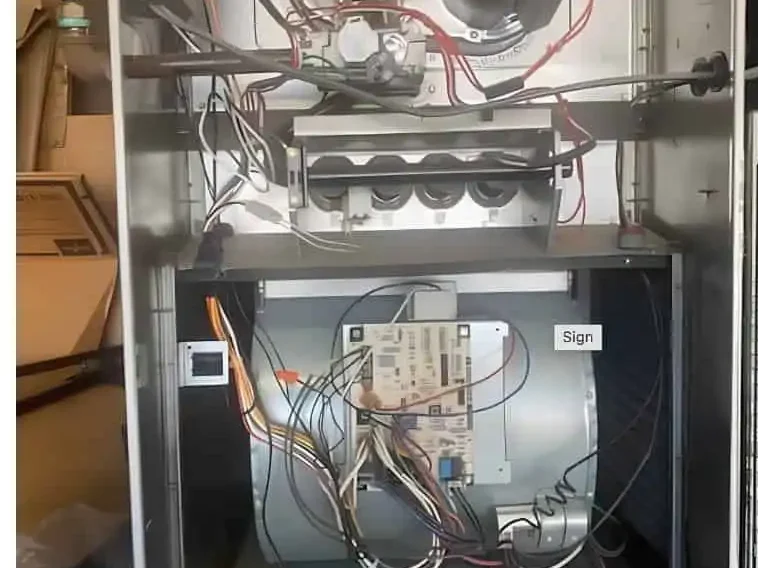
The control board runs the furnace’s whole sequence, and the blower motor moves the heated air. A failed board, a blower motor that hums but won’t spin, or a weak capacitor can each leave you with no heat or no airflow.
Gas valve or gas supply
Less often, the gas valve itself fails, or a problem with the gas line keeps enough gas from reaching the furnace. Gas line corrections run $185 to $565 with us, and you get the exact price before any work begins.
Carbon monoxide and safety
A gas furnace that is working properly vents its combustion gases outside. A cracked heat exchanger, a blocked vent or a disconnected flue can let carbon monoxide into the house. California law has required carbon monoxide alarms since 2011 in homes with a gas appliance, a fireplace or an attached garage. Test yours now, before the heating season, and replace any alarm that is past its expiration date.
If an alarm goes off, or anyone in the house has headaches, dizziness or nausea that improve when they leave, get everyone outside and call 911 or SoCalGas at 1-800-427-2200. And if a technician tells you your heat exchanger is cracked and the furnace has to be replaced, it is reasonable to ask to see the crack. We’re glad to give a second opinion.
Repair or replace?
Most no-heat calls are repairs: a flame sensor, an ignitor, a pressure switch, a blower capacitor. Replacement is worth discussing when a safety problem can’t be repaired, when the furnace needs a major part on top of a history of repairs, or when it is old enough that the money is better spent on new equipment.
If you are replacing, it is worth considering a heat pump, which heats and cools with one system and handles our mild winters well. Our guides to heat pump vs. furnace in Southern California and replacing a furnace with a heat pump walk through the trade-offs. Replacement estimates are free and come with no obligation, we pull the permits on the replacements we install, and financing is available through GoGreen Home Energy Financing, with rates as low as 0% APR for qualifying homeowners and projects. New installations come with a 1-year labor warranty, extended to 2 years with a maintenance plan.
Prevent the next no-heat call
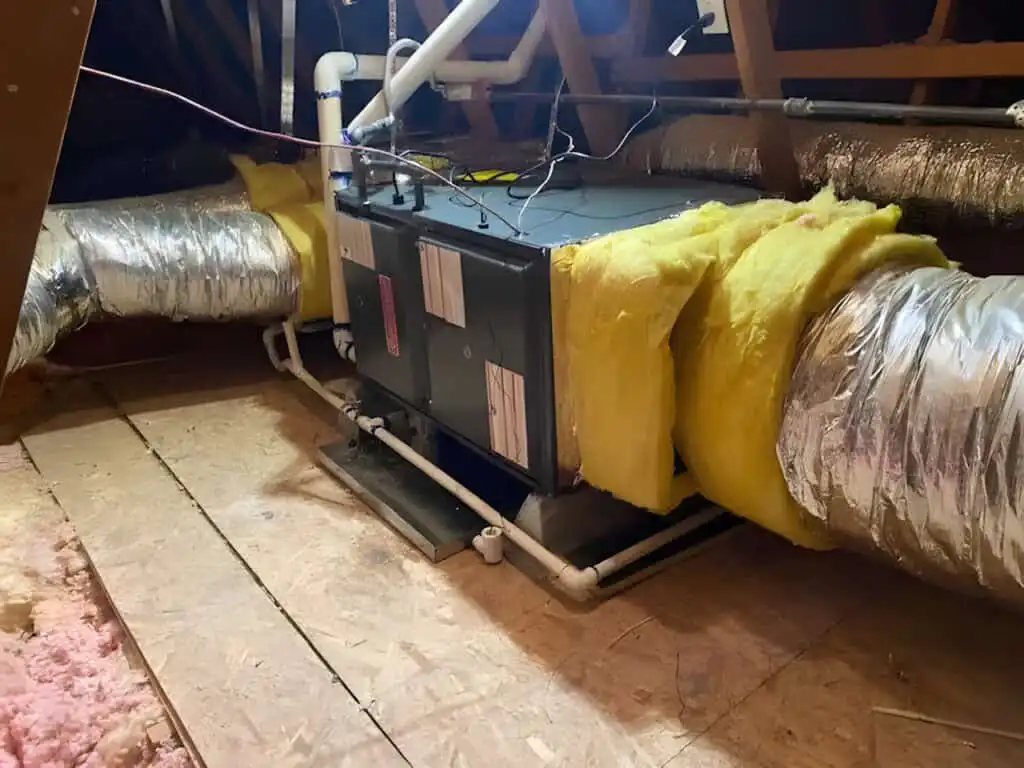
A furnace tune-up before the first cold snap catches most of what causes fall breakdowns: dirty flame sensors, weak ignitors, clogged filters and drains, and venting problems. Change the filter on schedule, keep the area around the furnace clear, and keep the outside ends of PVC vent pipes free of leaves.
Our furnace maintenance checklist covers what a good heating visit includes. Reliable’s maintenance plans start at $15 a month or $150 a year for one standard system, and the Advanced Comfort plan adds a second visit and priority scheduling.
Heater not working FAQs
Check the thermostat fan setting first. If it is set to On instead of Auto, the blower runs between heating cycles and pushes room-temperature air that feels cold. A furnace also blows cool air for the first minute or so while the burners warm up. Cold air that keeps blowing usually means the burners shut off on a safety: a clogged filter causing overheating, a dirty flame sensor, or an ignition or gas supply problem.
Dust settles on the heat exchanger and burners over a long Southern California summer, and it burns off the first few times the heat runs. A light dusty smell that fades within an hour or so is normal. An electrical or melting-plastic smell, smoke, or a smell that doesn’t fade is not. Turn the system off and call.
A furnace that lights and shuts off within seconds usually has a dirty flame sensor, a failing ignitor, or a pressure switch problem with the venting or condensate drain. One that runs for several minutes and then shuts off is often overheating because of a clogged filter or blocked returns. Count the blinks on the status light and note them before you call.
Don’t try to fix it, and don’t flip switches or relight anything. Leave the house, then call SoCalGas at 1-800-427-2200 or 911 from outside. Once the gas company clears the home, we can find and fix the problem at the furnace.
We offer same-day service when the schedule allows, and many common furnace repairs are finished on the first visit when the part is on the truck. We don’t operate a 24/7 dispatch line. You get the repair price after the diagnosis and before any work starts, and the diagnostic fee is credited toward approved repairs.
Most no-heat calls are repairs. Replacement makes sense when a safety problem can’t be repaired, the furnace needs a major part on top of a history of repairs, or the system is old enough that the money is better spent on new equipment. Replacement estimates are free and come with no obligation, and we’re glad to give a second opinion if another company has already recommended replacing.
Heater still not working?
Reliable Heating and Air repairs furnaces across the San Fernando Valley, Los Angeles, Ventura County and Santa Clarita, including Woodland Hills, Thousand Oaks, Northridge, Canoga Park and Santa Clarita. You get the price before any work begins, and the diagnostic fee is credited toward approved repairs.
Schedule service online or email reliablehvacla@gmail.com.
Licensed and insured, CSLB #1135270.