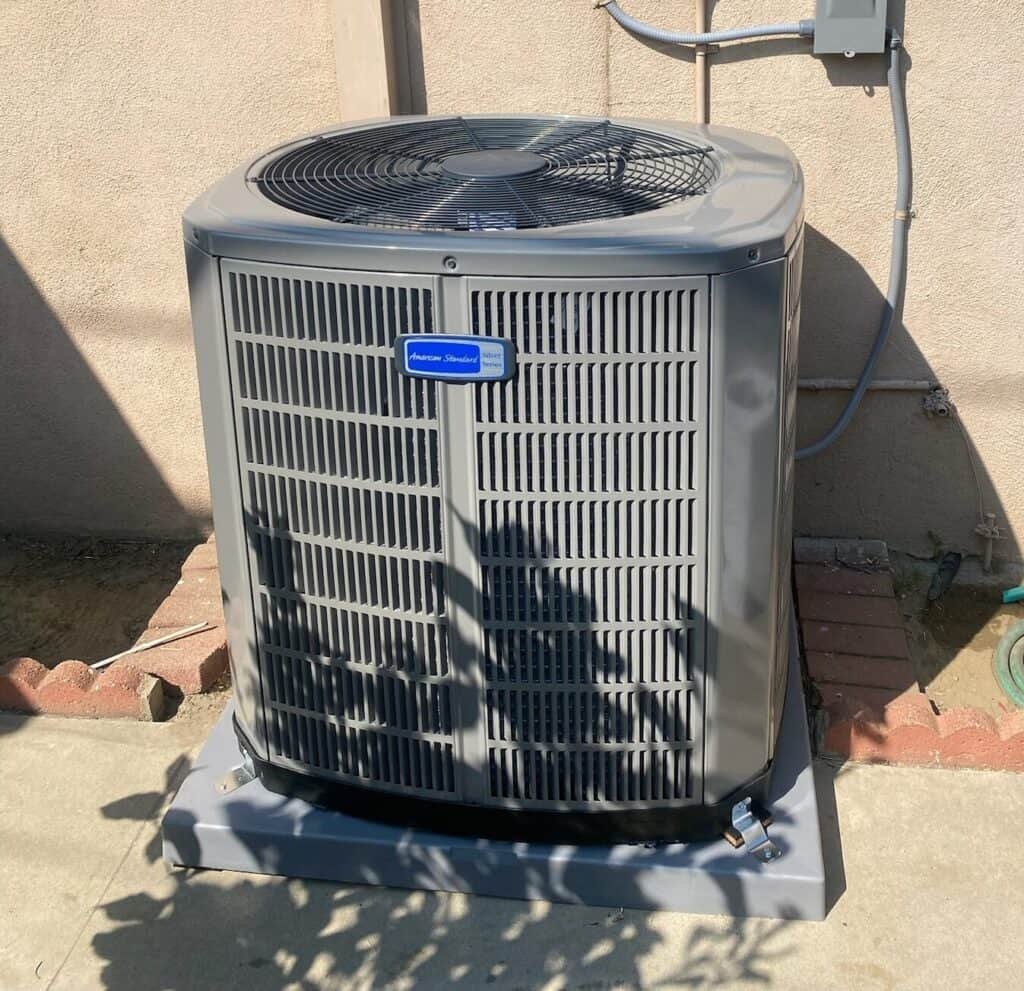
When a heat pump stops heating in Los Angeles or Ventura County, the weather is rarely the reason. Our winters sit in the range heat pumps handle best, so a system that blows cool air, runs without warming the house, or won’t start in heat mode usually has a setting, airflow or parts problem that can be found and fixed.
This guide comes from Reliable Heating and Air, a family-owned HVAC contractor that repairs heat pumps across the San Fernando Valley, Los Angeles, Ventura County and Santa Clarita. Start with the checks below. Most take a few minutes and need no tools. Have a gas furnace instead? See heater not working: 10 things to check.
The short version:
- A short burst of cool air and a quiet, steaming outdoor unit on a cold, damp morning is usually a normal defrost cycle.
- Thermostat mode, a recently replaced thermostat, a clogged filter and a tripped breaker explain a lot of no-heat calls.
- Cold air that never warms up, an outdoor unit buried in ice, or a fan that isn’t spinning needs a technician.
- Emergency heat keeps the house warm for a while, but it runs on electric resistance heat and costs much more to operate.
First, make sure it isn’t defrosting
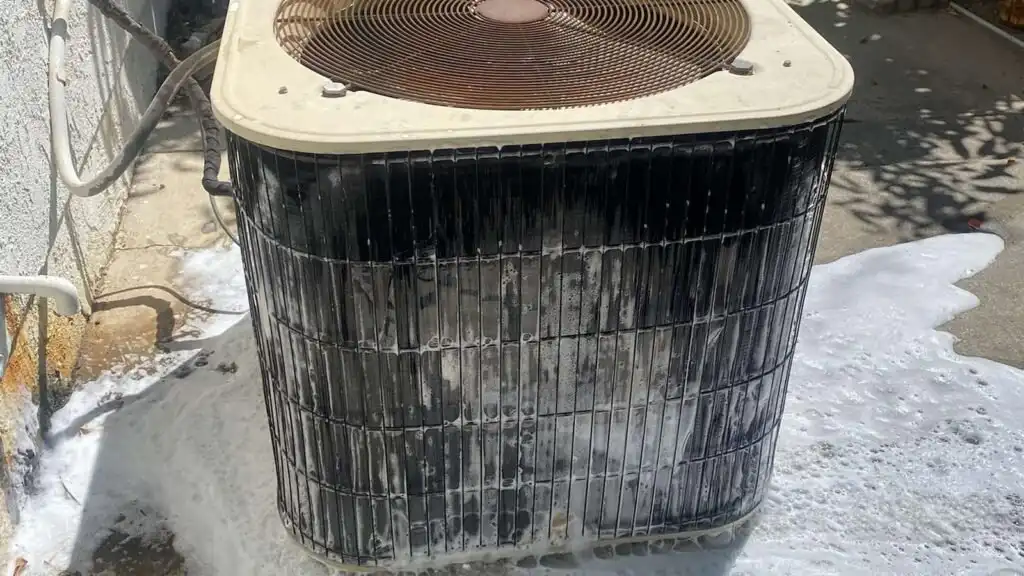
On cold, damp mornings, frost can form on the outdoor coil while the heat pump pulls heat from the outside air. To clear it, the system briefly reverses into cooling mode: the outdoor fan stops, the unit may hiss or release a cloud of steam, and the air at your vents turns cooler for a few minutes. That is a normal defrost cycle, handled by the same reversing valve the U.S. Department of Energy describes in its guide to air-source heat pumps.
A defrost cycle should finish on its own, usually within several minutes. If the outdoor unit stays coated in ice, the fan never restarts, or the house keeps getting colder, the system is not clearing itself, and that points to a fault.
Heat pump air feels cooler than furnace air
If you are used to a gas furnace, heat pump air can feel lukewarm at the vent even when the system is working normally. A heat pump delivers air at a lower temperature over longer run times instead of short blasts of very hot air. The real test is the room: if the temperature is climbing toward the setpoint, the system is heating. If the air at the vent is cold, or the house holds steady or loses ground for an hour, something is wrong.
Quick checks before you call
These are safe for any homeowner and fix a real share of no-heat calls:
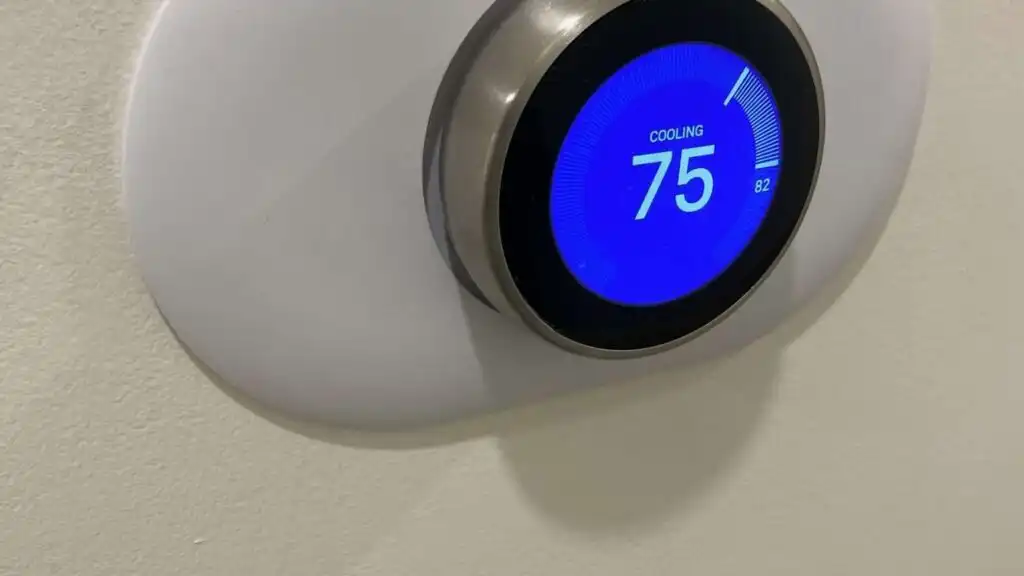
- Thermostat mode and setpoint. Mode on Heat, the setpoint a few degrees above room temperature, and fresh batteries if the thermostat uses them.
- A recently replaced thermostat. A heat pump needs a thermostat set up for a heat pump. If the reversing valve setting (often labeled O or B) is wrong, the system cools when you ask for heat and heats when you ask for cooling.
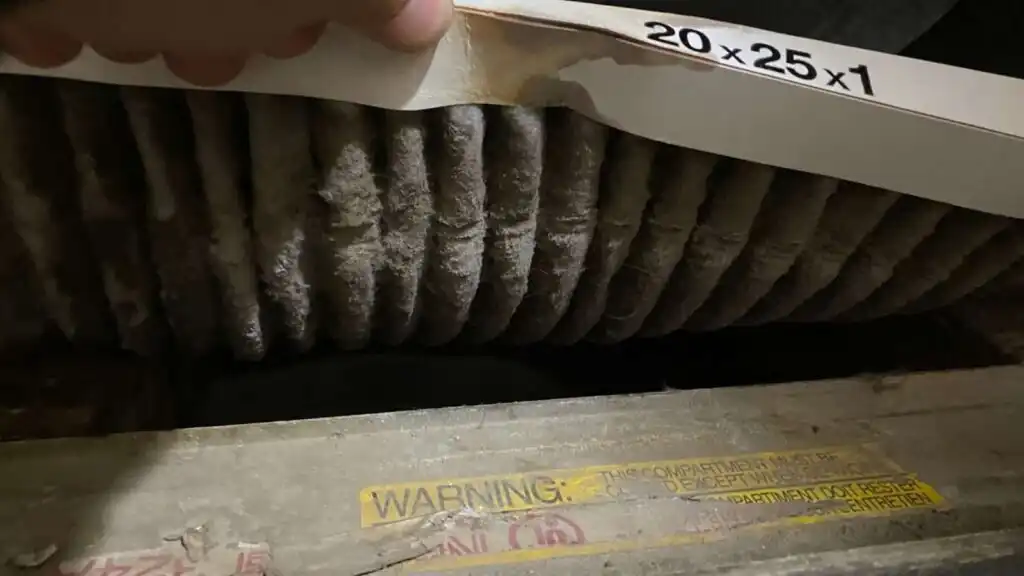
- The air filter. A clogged filter starves the indoor coil of airflow, and in heating mode the system can overheat and shut itself off. Replace it if it is gray and you can’t see light through it.
- Breakers. The outdoor unit and the indoor air handler are on separate circuits, and electric backup heat often has its own breaker. Reset a tripped breaker once. If it trips again, leave it off and call.
- The outdoor unit. Make sure it is running, the fan is turning, and leaves, mulch or a cover aren’t blocking it.
- Vents and returns. Open the supply registers and keep the return grille clear of furniture and boxes.
What not to do: don’t chip or pry ice off the outdoor coil, don’t pour hot water on it, and don’t keep resetting a breaker that trips. Each of those can turn a moderate repair into a major one.
Still no heat?
Schedule a heat pump repair visit with Reliable Heating and Air. Same-day service is available when the schedule allows, and the diagnostic fee is credited toward approved repairs.
Prefer to book online? Schedule service here. If it can’t wait, see our emergency HVAC repair page.
Common reasons a heat pump won’t heat
The reversing valve is stuck in cooling
The reversing valve switches a heat pump between heating and cooling. If its solenoid coil fails or the valve sticks, the system keeps running in cooling mode and blows cold air no matter what the thermostat says. A technician confirms it by checking the control signal to the valve and the temperatures of the refrigerant lines.
Defrost controls or sensors have failed
If the defrost board or its coil sensor fails, the unit stops clearing frost. Ice builds over the coil, airflow drops and heat output falls off. This often shows up on the first few cold mornings of the season.
Low refrigerant from a leak
A heat pump uses the same refrigerant to heat as it does to cool. A slow leak shows up as weak heat, longer run times and frost patterns on the outdoor coil. Adding refrigerant without finding the leak only buys time; see refrigerant leak repair for how we find and fix leaks.
The outdoor fan or its capacitor
If the outdoor fan isn’t spinning while the compressor runs, the unit can’t move air across the coil and heating stops. A failed fan motor or run capacitor is the usual cause. Replacing a condenser fan motor runs $695 to $895 with us, excluding variable-speed motors.
Airflow problems indoors
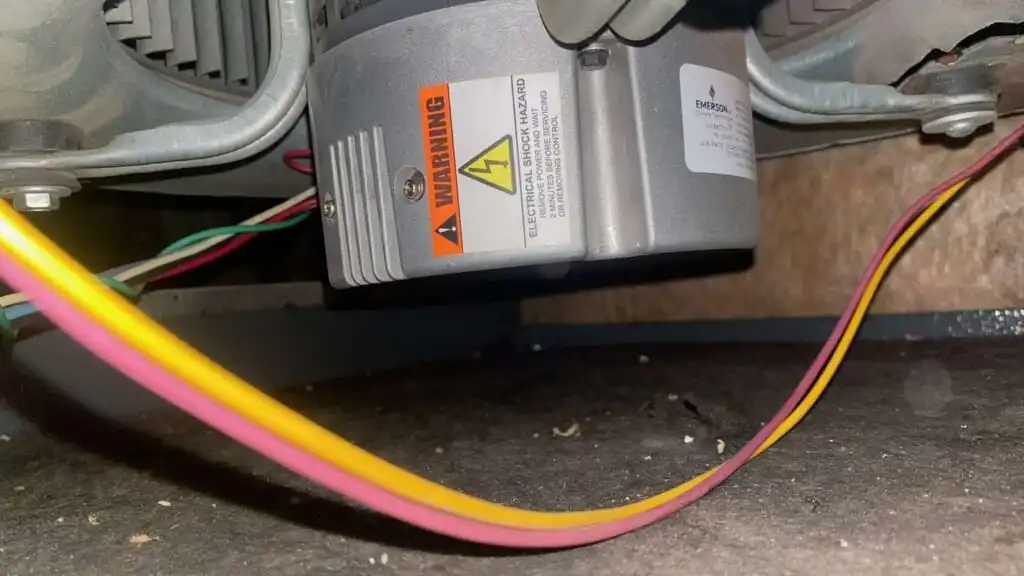
A clogged filter, a dirty indoor coil or a failing blower motor cuts airflow across the indoor coil. In heating mode that can trip the system’s pressure or temperature limits, so it runs for a few minutes and shuts off.
Backup heat isn’t working
Many heat pump air handlers include electric heat strips that help on the coldest mornings and during defrost. If a heat strip, its controls or its breaker fails, you may only notice on cold days: the house warms slowly, or the air turns cold during every defrost cycle.
The compressor has failed
If the compressor won’t start, or starts and trips its breaker, the outdoor unit can’t produce heat at all. A compressor replacement runs $3,200 to $4,800, which is when the repair-versus-replace question gets serious.
Repair or replace?
Most heat pump heating problems are repairs: a capacitor, a fan motor, a sensor, a control board, or a leak found and fixed. The math changes with the compressor. At $3,200 to $4,800, a compressor is roughly a third of a complete replacement, which runs $11,200 to $15,000 for a 2.5-ton heat pump with a matched air handler, including the permit, Title 24 / HERS testing and haul-away of the old equipment.
On a system that has needed several repairs, or one that is well into its second decade, that comparison is worth making before you approve a major repair. Our guide to how long heat pumps last in Southern California can help. Replacement estimates are free and come with no obligation, and if another company has already told you to replace, we are glad to give a second opinion.

Will a heat pump keep up in a Southern California winter?
In most homes here, yes. Heat pumps lose capacity as outdoor temperatures drop toward freezing and below, which is why cold-climate advice focuses on backup heat. In the Los Angeles basin and along the Ventura County coast, nights that cold are uncommon, though inland valleys see some frosty mornings. See do heat pumps work in cold weather for the details, and heat pump vs. furnace in Southern California if you are weighing a switch.
Keep it from happening again
A once-a-year check before winter catches the parts behind most no-heat calls: weak capacitors, dirty coils, drifting sensors and slow leaks. Change filters on schedule and keep plants and debris a couple of feet away from the outdoor unit. Reliable’s maintenance plans start at $15 a month or $150 a year for one standard system, and our heat pump maintenance guide covers what a good visit includes.
Heat pump not heating FAQs
A short burst of cool air during a defrost cycle is normal. Cold air that lasts usually means the system is stuck in cooling mode, the thermostat is set up for the wrong type of system, the outdoor fan or compressor isn’t running, or the unit is low on refrigerant. Check the thermostat mode and the filter first, then call if nothing changes.
That is a defrost cycle. The system is melting frost off the outdoor coil, and the steam is that frost evaporating. It should finish on its own within several minutes, and then the fan restarts.
Aux heat means the electric backup heat is helping the heat pump, which is normal during defrost and on cold mornings. Emergency heat turns the outdoor unit off and heats with the electric backup alone. It is meant for when the heat pump itself has failed and costs much more to run, so use it only until the system is repaired.
Turn it off, or switch to emergency heat if you need warmth, and call. Running a heat pump buried in ice strains the compressor. Don’t chip the ice off; it is easy to damage the coil fins and tubing.
It depends on the cause. With us, a condenser fan motor runs $695 to $895 (excluding variable-speed motors) and a compressor runs $3,200 to $4,800. You get the exact price after the diagnosis and before any work starts, and the diagnostic fee is credited toward approved repairs.
Run the quick checks first. Call if the air is cold and stays cold, the outdoor unit stays iced over, a breaker trips again after one reset, or you hear grinding or loud buzzing from the outdoor unit. We offer same-day service when the schedule allows; we don’t operate a 24/7 dispatch line.
Heat pump still not heating?
Reliable Heating and Air repairs heat pumps across the San Fernando Valley, Los Angeles, Ventura County and Santa Clarita, including Thousand Oaks, Woodland Hills, Santa Clarita and Camarillo. You get the price before any work begins, and the diagnostic fee is credited toward approved repairs.
Schedule service online or email reliablehvacla@gmail.com.
Licensed and insured, CSLB #1135270.