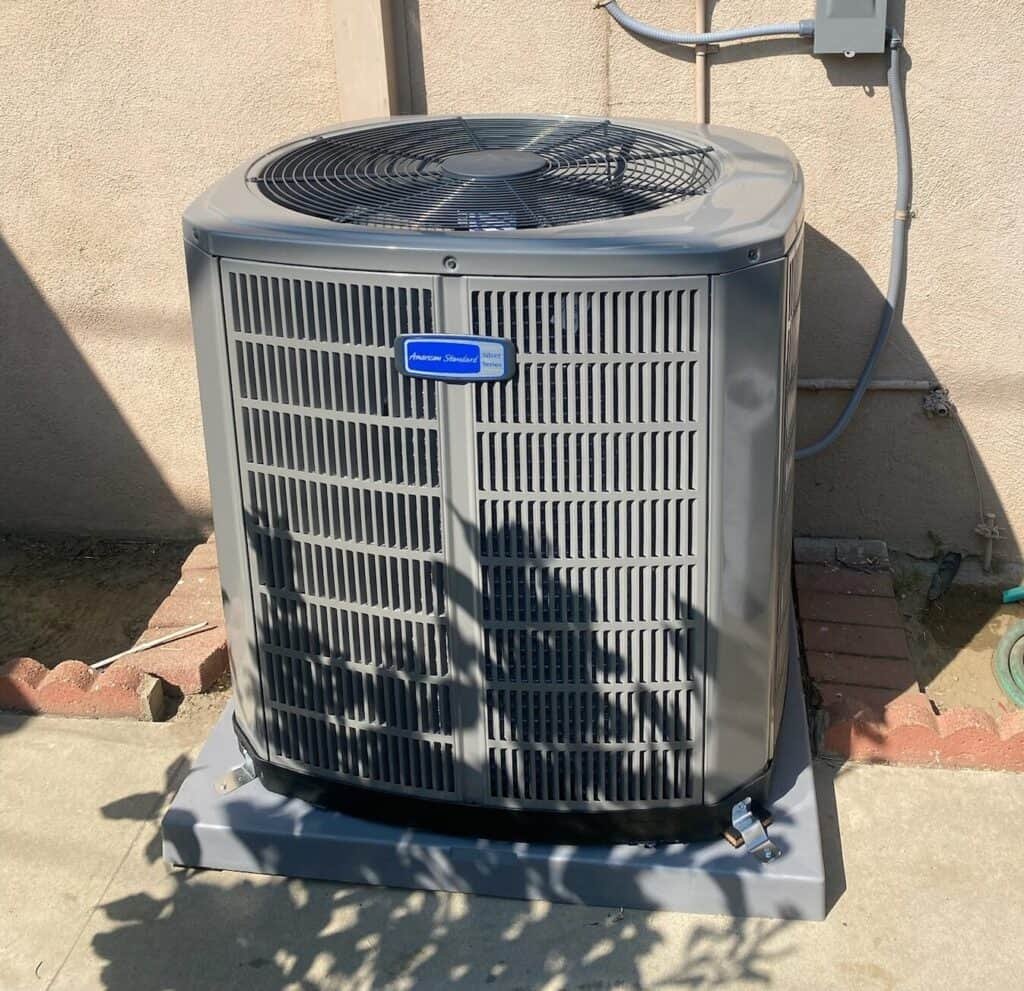
Your heating and cooling system is the single largest energy user in most Los Angeles and Ventura County homes — bigger than the water heater, the pool pump, and everything plugged into a wall outlet combined. With Southern California electricity rates among the highest in the country, the gap between an average system and an efficient one shows up on your bill every month for the next 15 to 20 years.
2026 is also a genuinely confusing year to be shopping. The federal tax credit that helped pay for heat pumps expired at the end of 2025. New equipment ships with a different refrigerant than the systems installed two years ago. California’s energy code changed on January 1. And the efficiency number printed largest on the yellow sticker is not the one that matters most in our climate.
This guide covers what actually makes energy efficient HVAC systems efficient in Los Angeles and Ventura County, what is worth paying extra for, what is not, and what is left of the rebate landscape.
Key Takeaways
- In our hot, dry inland climate, EER2 — efficiency measured at a steady 95°F — predicts your July electric bill better than the headline SEER2 number does.
- The federal 25C tax credit, worth up to $2,000 on a heat pump, expired December 31, 2025 and is not available for systems placed in service in 2026.
- Statewide HEEHRA and TECH Clean California heat pump rebates were fully reserved as of February 2026. A San Fernando Valley program tied to Aliso Canyon launched July 31, 2026.
- Every new system sold in 2026 uses a low-GWP refrigerant such as R-454B or R-32. Your existing R-410A system is still legal and still serviceable.
- An oversized system or leaky attic ducts will erase the savings from a high-efficiency unit. Sizing and duct condition matter more than brand.
What “Energy Efficient” Actually Means on an HVAC System
Efficiency in HVAC is not a marketing word. It is a set of measured ratios, each testing a different thing. Knowing which one applies to your situation is most of the battle when you are comparing quotes.
SEER2, EER2, HSPF2 and AFUE, explained
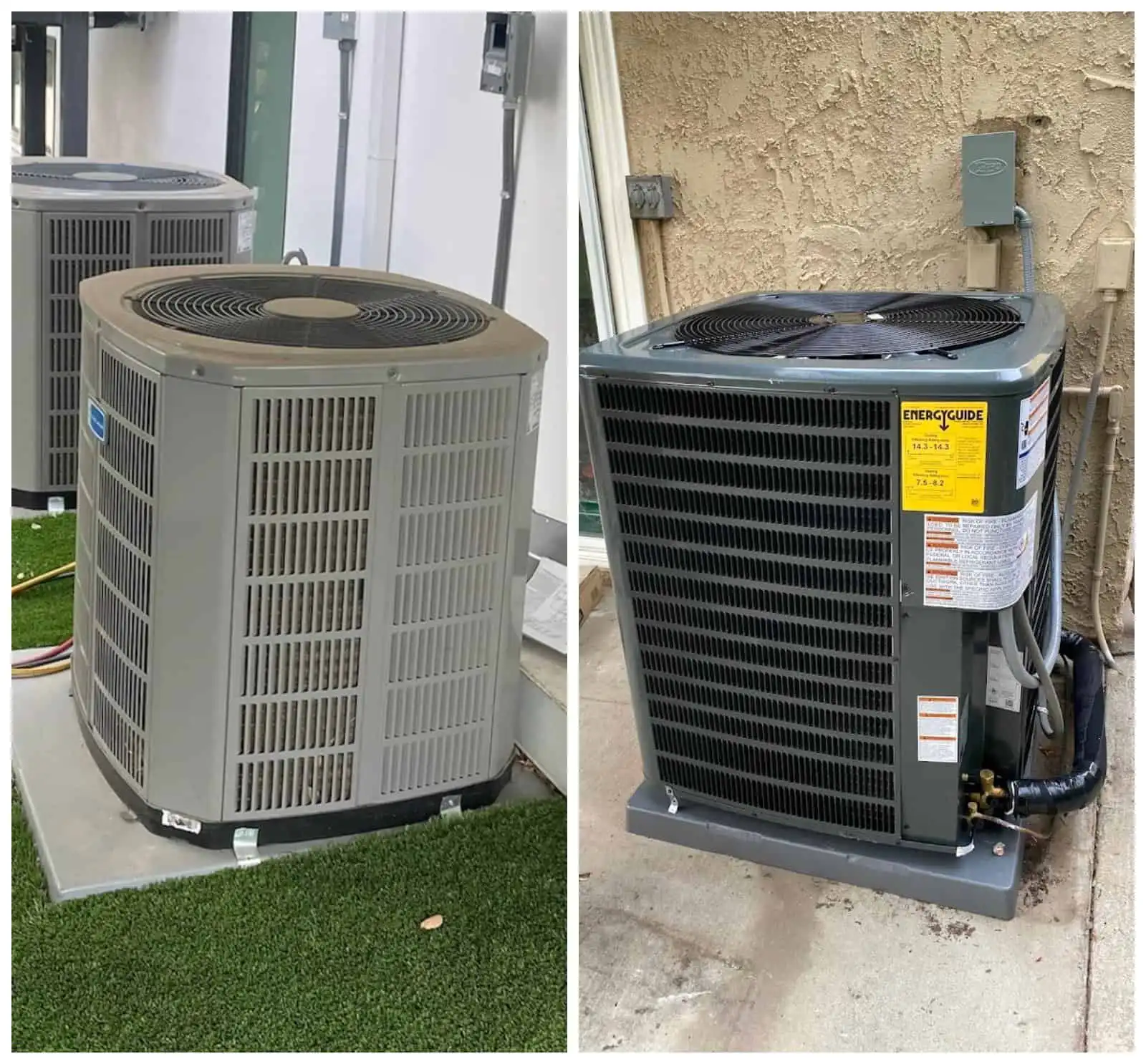
If you shopped for a system before 2023, you saw SEER, EER and HSPF. The Department of Energy replaced those with SEER2, EER2 and HSPF2, tested under higher external static pressure that better reflects a real duct system. The numbers came out slightly lower, so a 16 SEER2 unit is roughly equivalent to a 17 SEER unit under the old test. Do not compare an old brochure to a new one.
| Rating | What it measures | Applies to | Minimum allowed in California |
|---|---|---|---|
| SEER2 | Cooling efficiency averaged across a range of outdoor temperatures over a season | Air conditioners, heat pumps | 14.3 for split ACs under 45,000 BTU/h (13.8 at 45,000 and above) |
| EER2 | Cooling efficiency at a steady 95°F outdoor temperature | Air conditioners, heat pumps | 11.7 for split ACs under 45,000 BTU/h (11.2 at 45,000 and above) |
| HSPF2 | Heating efficiency averaged over a heating season | Heat pumps | 7.5 for split heat pumps (national standard) |
| AFUE | Percentage of fuel burned that becomes usable heat | Gas furnaces | 80% for standard units; condensing furnaces run 95%+ |
California sits in the DOE’s Southwest region, along with Arizona, Nevada and New Mexico. That region is the only one in the country with a minimum EER2 requirement attached to air conditioners, and that detail tells you something important about how to shop here.
Why EER2 matters more than SEER2 in Los Angeles and Ventura County
SEER2 is a seasonal average. It blends performance at 82°F, at 87°F, at 95°F and weights the milder conditions heavily, because most of the country spends most of its cooling season in mild weather. Southern California inland does not.
In Woodland Hills, Simi Valley, Thousand Oaks, Santa Clarita, Moorpark and the rest of the Valley, the hours that drive your bill are 95°F to 110°F afternoons. EER2 is the number measured at exactly those conditions. Two systems can carry the same SEER2 rating and behave very differently at 105°F, and the one with the higher EER2 is the one that will hold its capacity and cost less to run when you actually need it.
Closer to the coast — Oxnard, Ventura, Malibu, Port Hueneme, Camarillo — peak temperatures are milder and run times are shorter, so SEER2 is a more reasonable proxy and the payback on a very high EER2 system is longer. Where your house sits changes the right answer.
The features that actually move the number
- Inverter (variable speed) compressors. Instead of cycling fully on and fully off, the compressor modulates its output to match the load. It runs longer at lower power, which is both more efficient and noticeably more comfortable. This is the single biggest efficiency jump available in residential equipment.
- Variable speed ECM blower motors. The indoor fan is running whenever the system runs. An ECM motor uses a fraction of the power of an older PSC motor and allows better airflow control.
- Smart thermostats. Useful, but the savings come from the schedule, not the brand. A smart thermostat on an oversized system with leaky ducts saves very little.
- Commissioning. Correct refrigerant charge and correct airflow at startup are worth more real-world efficiency than two SEER2 points. This is entirely down to the installer.
What Is the Most Energy Efficient HVAC System in 2026?
For the large majority of homes in Los Angeles and Ventura County, the most energy efficient HVAC system that is also practical to install is an inverter-driven air-source heat pump. Here is how the realistic options compare.
Ducted inverter heat pumps
One system handles both heating and cooling, with no gas burned at the house. In a climate this mild, a heat pump spends the winter operating in its efficient range rather than fighting freezing temperatures, which is exactly the condition where heat pumps perform best. Top-tier residential models reach the high teens to low twenties in SEER2. If your home already has usable ducts, this is usually the strongest combination of efficiency, comfort and cost. Our guide on heat pump vs AC in Southern California covers the comparison in detail.
Ductless and multi-zone mini splits
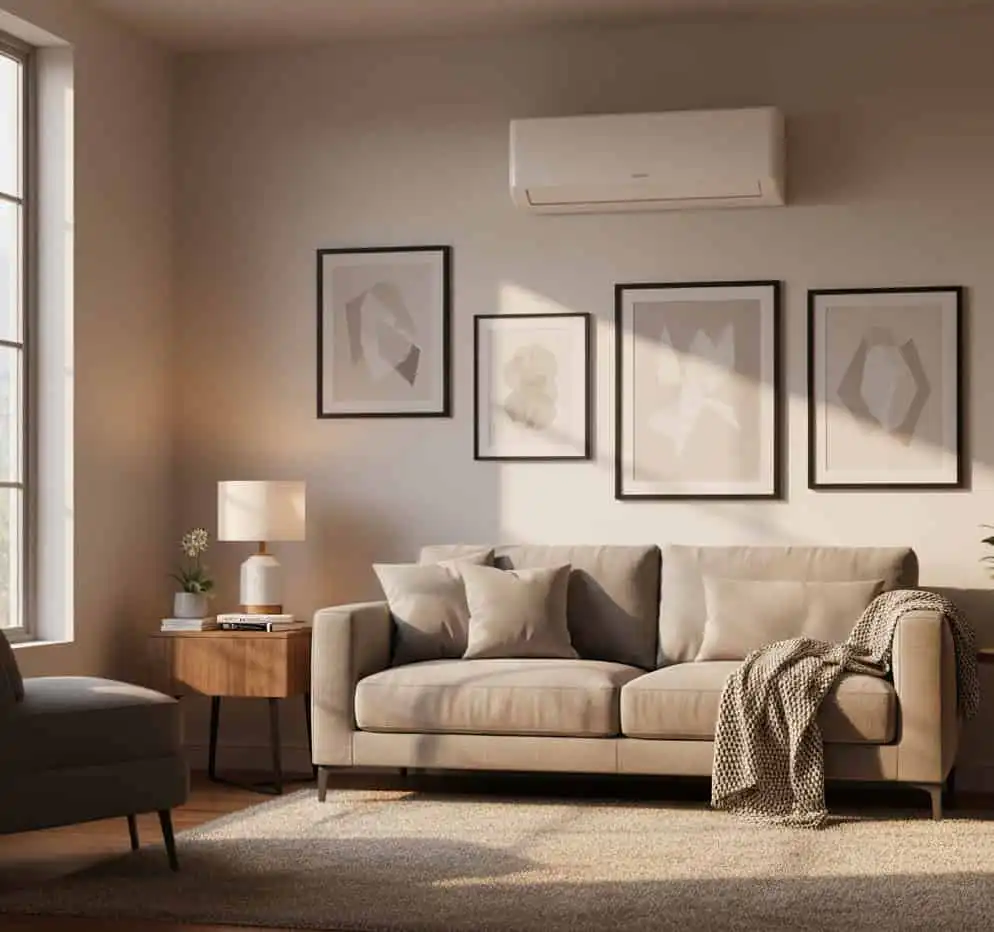
Ductless systems skip ducts entirely, which removes the largest source of energy loss in a typical Southern California house. Efficiency ratings are the highest available in residential equipment, and each zone is controlled separately, so you stop paying to condition empty rooms. The trade-off is visible indoor heads and more units to keep clean. They are the obvious answer for additions, converted garages, ADUs, older homes with no ductwork, and rooms that never quite keep up. See our ductless mini-split installation page for how these are laid out.
Dual fuel systems
A heat pump paired with a gas furnace, switching between them based on outdoor temperature and cost. In Southern California the number of hours cold enough to favor the furnace is small, so dual fuel is usually worth it only when you are keeping a relatively new, efficient furnace and adding cooling. If the furnace is aging out anyway, a straight heat pump is simpler. We walk through this in heat pump vs furnace in Southern California.
What about geothermal and VRF?
Both come up in efficiency articles, and both deserve an honest answer for this region.
Geothermal heat pumps post the highest efficiency numbers of any HVAC technology, because they exchange heat with stable ground temperatures instead of hot outdoor air. The catch is the ground loop: it requires drilling or trenching, adequate lot space, and permitting, and it typically costs several times what an air-source heat pump costs. In a climate with mild winters and short heating seasons, there simply is not enough heating load to earn that back. Residential geothermal is very rare in Los Angeles and Ventura County, and for the overwhelming majority of homes here it is not the practical choice.
Variable Refrigerant Flow (VRF) is excellent technology, but it was designed for commercial buildings and very large multi-zone properties. For a typical 1,200 to 2,500 square foot home, a multi-zone mini split or a well-designed ducted inverter heat pump delivers the same zoning and comparable efficiency at a much lower installed cost.
| System type | Typical efficiency | Best fit here | Watch out for |
|---|---|---|---|
| Single-stage AC + gas furnace | 14.3–16 SEER2 | Tight budget, ducts already in good shape | Lowest efficiency tier; still burns gas |
| Two-stage AC + furnace | 15–17 SEER2 | Middle-ground upgrade | Smaller comfort gain than variable speed |
| Ducted inverter heat pump | 16–20+ SEER2 | Most homes with usable ductwork | Duct condition decides the real-world result |
| Ductless / multi-zone mini split | 18–25+ SEER2 | No ducts, additions, ADUs, problem rooms | Visible indoor heads; more units to service |
| Dual fuel | Varies by changeover point | Keeping a newer, efficient furnace | More complex controls to set up correctly |
| Geothermal | Highest on paper | Rare — large lots, new construction | Drilling cost rarely pencils out in this climate |
Two 2026 Rules That Change What You Can Buy
New systems use R-454B or R-32, not R-410A
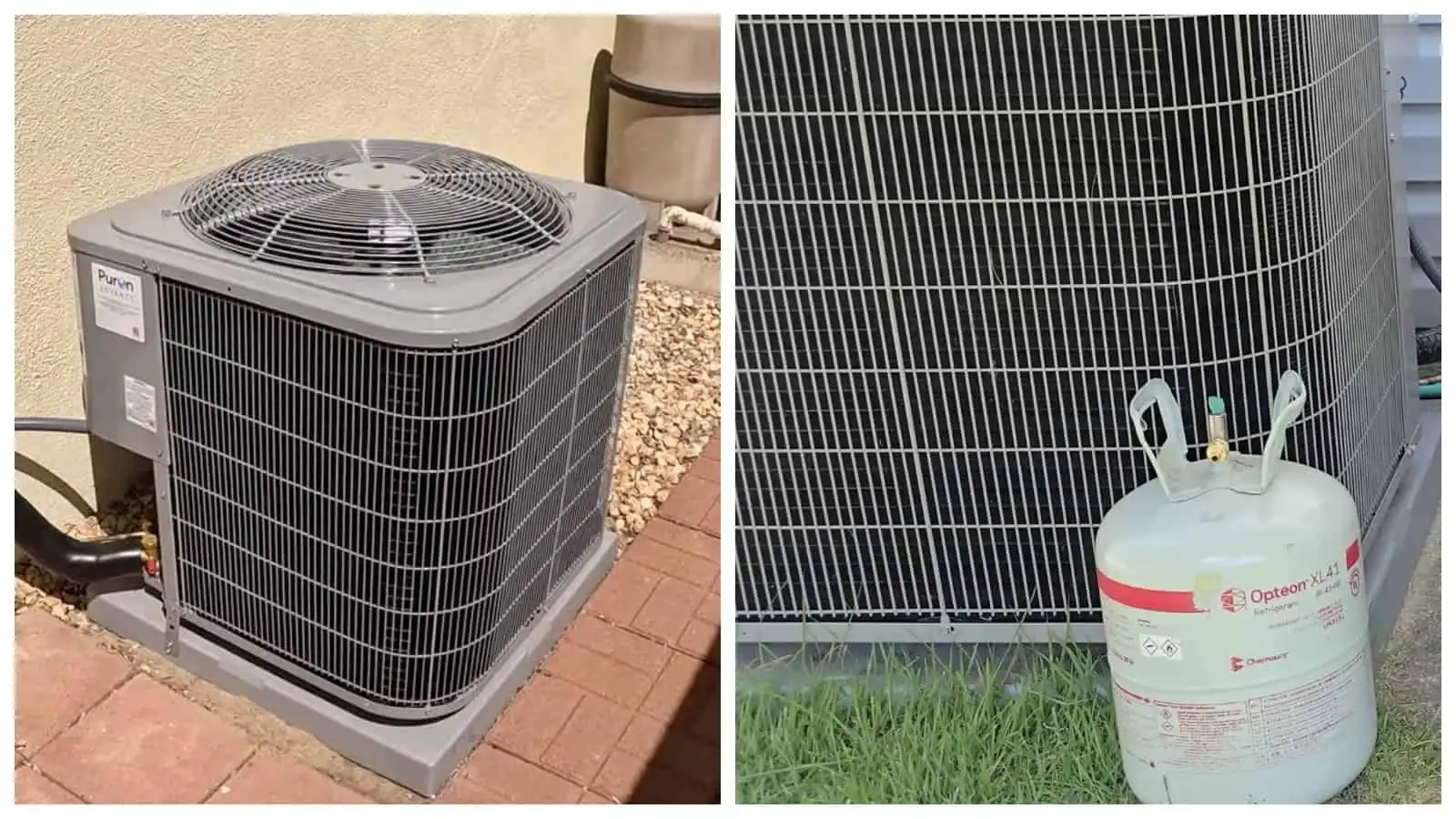
Under the federal AIM Act, residential systems manufactured for the US market have had to use refrigerant with a global warming potential below 750 since January 1, 2025. R-410A has a GWP of 2,088, which put it over the line. The replacements you will see on 2026 quotes are R-454B (GWP around 466) and R-32 (GWP 675, common in mini splits).
Both are classified A2L, or mildly flammable, which changes how equipment is handled: technicians need specific training, leak detection requirements differ, and some installations need different line set or sensor provisions. It is a reasonable question to ask any contractor bidding your job.
Two things this does not mean. Your existing R-410A air conditioner is legal, safe, and does not need to be replaced. And R-410A is still produced and sold for servicing existing equipment, though supply tightens and prices rise as production allowances step down through 2029, 2034 and 2036. We cover the details in our R-410A phase-out guide.
California’s 2025 Energy Code took effect January 1, 2026
The California Energy Commission’s 2025 Building Energy Efficiency Standards (Title 24, Part 6) apply to permit applications filed on or after January 1, 2026. The update expands heat pump use in new residential construction, pushes electric-readiness, and strengthens ventilation requirements.
For a replacement in an existing home, the alteration requirements are what affect you. Depending on your climate zone, swapping a furnace, coil or condenser can trigger HERS-verified duct leakage testing and refrigerant charge verification. Any licensed contractor pulling the permit will know which apply at your address — and a contractor who suggests skipping the permit is telling you something useful about how they work.
Rebates, Tax Credits and Incentives in 2026: What Is Actually Left
This is where most articles online are badly out of date. Here is the accurate picture as of September 2026.
- Federal 25C tax credit: expired. The Energy Efficient Home Improvement Credit — up to $2,000 for a qualifying heat pump and up to $1,200 for other efficiency improvements — ended for property placed in service after December 31, 2025. Systems installed in 2026 do not qualify. If a contractor quotes you a price “after the federal credit,” ask them to show you where that credit still exists.
- Statewide HEEHRA / TECH Clean California: fully reserved. Single-family heat pump rebate funding was reported fully reserved statewide as of February 2026, with Central and Southern California filling in early January. A waitlist exists, but waitlisted projects only qualify if the equipment is installed after a reservation is approved.
- San Fernando Valley: currently active. TECH Clean California launched a San Fernando Valley residential incentive campaign on July 31, 2026, aimed at households in the area affected by the Aliso Canyon gas storage facility. It covers heat pump HVAC and heat pump water heaters through participating, trained contractors.
- Utility programs. Southern California Edison and SoCalGas run efficiency and electrification programs on funding cycles that open and close. Confirm current status and amounts directly before treating any figure as real.
- Manufacturer promotions and financing. Seasonal equipment rebates and low-rate financing are often worth more in 2026 than the public programs, and are far more predictable.
One piece of advice worth more than any single rebate: do not let incentive money pick your equipment. California program funding has been unpredictable for three years running. Choose the system that makes sense for your house and your bills, then apply whatever incentives happen to be open. Our California heat pump rebates guide goes deeper, and our real savings breakdown runs the math without assuming a rebate at all.
How to Choose the Right Energy Efficient HVAC System for Your Home
- Read EER2 next to SEER2. Inland, weight EER2 heavily. Coastal, SEER2 is a fair proxy. Ask for both numbers on every quoted model.
- Decide ducted or ductless based on the house you have. Good existing ducts favor a ducted inverter heat pump. No ducts, or ducts in bad shape and hard to reach, often makes ductless the better value once duct replacement is priced in.
- Have the ducts tested before you pick equipment. The result may change which system is worth buying. Related reading: can a heat pump use your existing ductwork.
- Compare quotes on scope, not the headline price. Two bids thousands of dollars apart usually differ in duct work, line sets, electrical, permits, HERS testing and warranty — not in profit. Our breakdown of what AC installation quotes actually include shows where the money goes, and the heat pump cost guide does the same for heat pumps.
- Check the contractor, not just the brand. Verify an active CSLB license, ask about A2L refrigerant training, and confirm they pull permits. Equipment brand matters far less than most homeowners expect — see the best heat pump brands for Southern California.
The Part Most Homeowners Skip: Your Ductwork
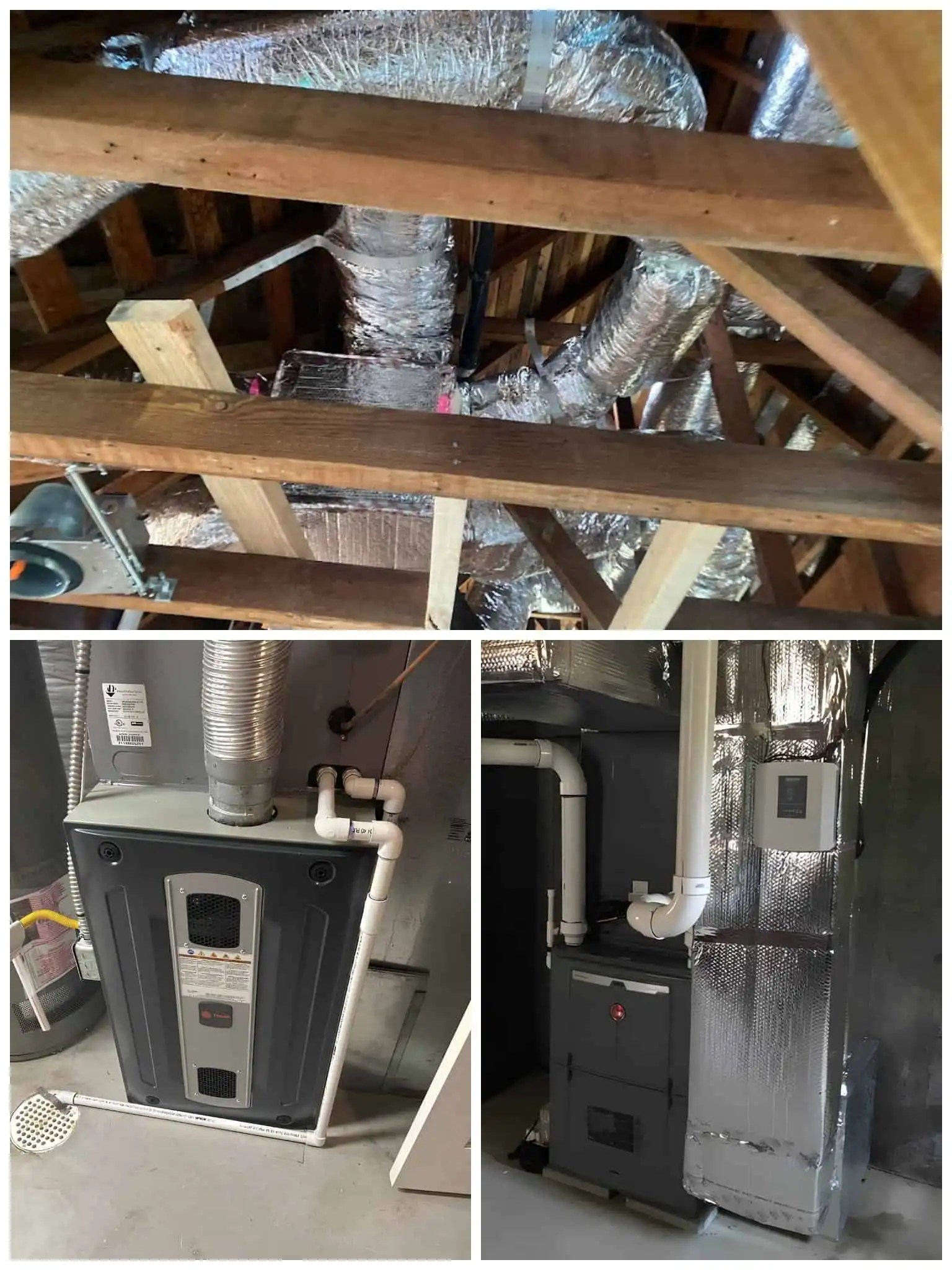
In a typical Southern California house, the ducts run through an attic that reaches 130°F to 150°F on a summer afternoon. Older duct systems commonly leak 20% to 30% of the air they carry, and much of that leaks into that superheated attic. Insulation on older flex duct is often thin by current standards, and crushed or kinked runs strangle airflow at the far end of the house.
Put a 20 SEER2 heat pump on that duct system and you do not get 20 SEER2 performance. You get an expensive system compensating for a distribution problem. This is the most common reason a homeowner spends real money on efficiency and does not see it on the bill.
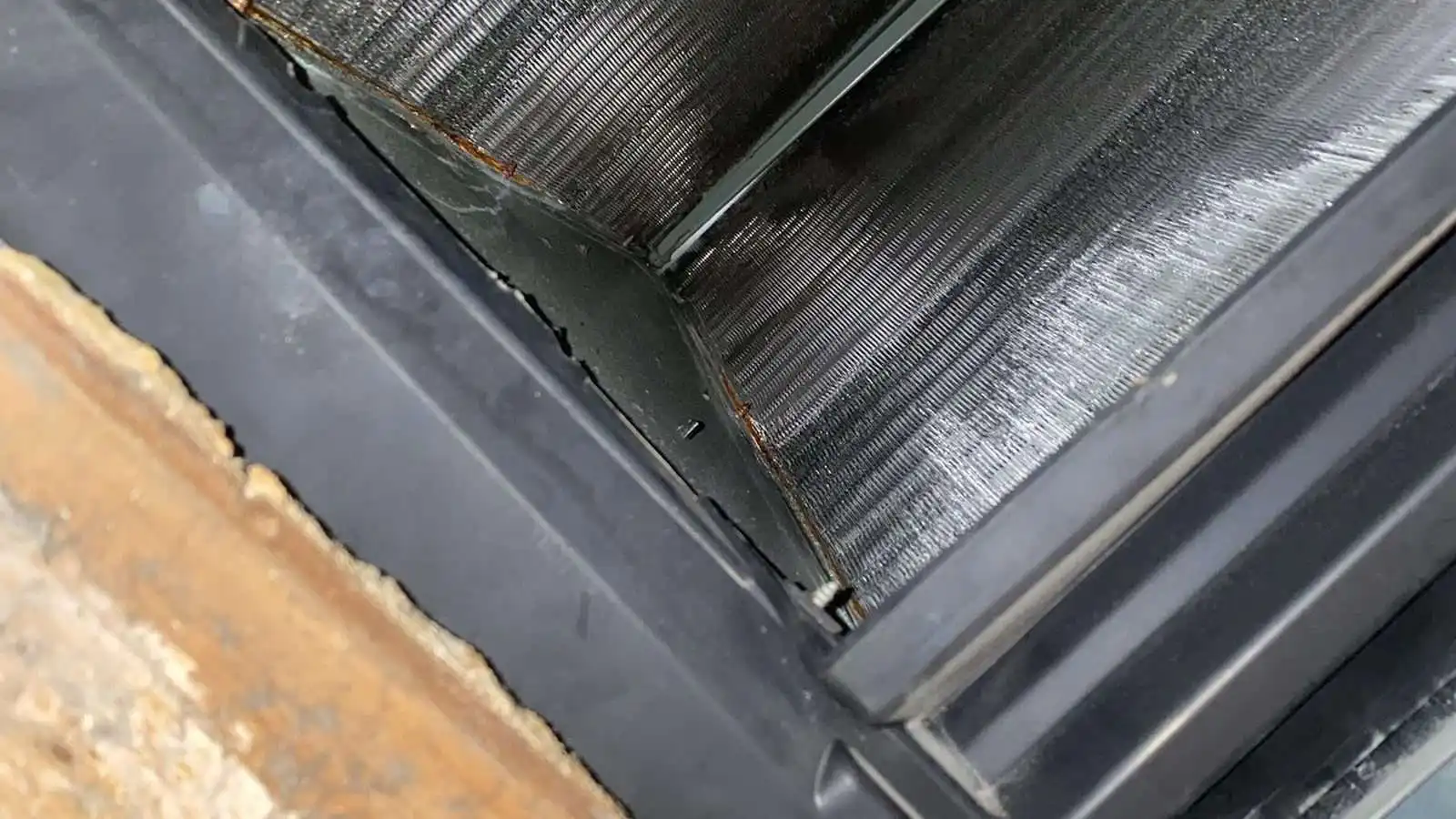
What to ask for: a duct leakage test, sealing at plenums, boots and connections, insulation brought up to current requirements, replacement of crushed runs, and a return path sized for the equipment. It is not glamorous work, and it is frequently the highest-return dollar in the whole project.
Keeping It Efficient After Installation
- Change filters every one to three months — and check sooner after Santa Ana wind events, which push ash and fine dust into filters and condenser coils across both counties.
- Get an annual professional tune-up. Coil cleaning, refrigerant verification, electrical checks and airflow measurement keep a system near its rated efficiency instead of drifting away from it. See heat pump maintenance and AC maintenance.
- Keep 18 to 24 inches clear around the outdoor unit, and rinse the coil when it is visibly dusty.
- Use the thermostat schedule, but go easy on deep setbacks with a heat pump. Recovering from a large temperature drop can bring on backup heat, which costs more than it saved.
- Do not close vents in unused rooms. It raises static pressure, hurts efficiency and can damage the blower. Zoning is the correct way to solve that problem.
Systems that are maintained properly also last longer — see how long heat pumps last in Los Angeles and Ventura County.
Frequently Asked Questions
What is the most energy efficient HVAC system for a Los Angeles home?
For most homes, an inverter-driven air-source heat pump. It handles both heating and cooling, performs well in our mild winters, and reaches the high teens to low twenties in SEER2. Homes without usable ductwork usually do better with a multi-zone ductless mini split, which carries even higher ratings because it avoids duct losses entirely.
Is a higher SEER2 rating always worth the extra cost?
No. Above roughly 18 SEER2, the added cost climbs faster than the energy savings for most Southern California homes, and the payback stretches past ten years. The exception is a home with heavy inland cooling load and long run times, where the higher-efficiency equipment — particularly a strong EER2 — has enough operating hours to earn the difference back.
Are there still HVAC rebates in California in 2026?
Some, but far fewer than in prior years. The federal 25C tax credit expired December 31, 2025. Statewide HEEHRA and TECH Clean California single-family heat pump rebates were fully reserved as of February 2026. A San Fernando Valley program tied to Aliso Canyon launched July 31, 2026, and utility programs open and close on their own funding cycles, so current status has to be confirmed before you count on it.
Do I have to replace my R-410A air conditioner in 2026?
No. Existing R-410A systems are legal to own and operate, and R-410A is still available for servicing them. What changed is manufacturing: new residential systems must use lower-GWP refrigerant such as R-454B or R-32. Expect R-410A service costs to rise gradually as production allowances step down.
What SEER2 rating is required in California?
California is in the DOE’s Southwest region. Split system air conditioners under 45,000 BTU/h must meet 14.3 SEER2 and 11.7 EER2; units at 45,000 BTU/h and above must meet 13.8 SEER2 and 11.2 EER2. Split system heat pumps follow the national standard of 14.3 SEER2 and 7.5 HSPF2.
How much can an energy efficient HVAC system actually save?
It depends far more on what you are replacing than on what you are installing. Moving from a failing 10 SEER system to a modern inverter heat pump can cut cooling energy use substantially, while going from 16 SEER2 to 20 SEER2 is a much smaller change. Duct condition, sizing and installation quality can swing the real-world result by more than the equipment rating does.
Is a heat pump more efficient than a gas furnace in Southern California?
In terms of energy delivered per unit of energy purchased, yes — a heat pump moves heat rather than creating it, so it delivers several units of heat per unit of electricity, while even a 95% AFUE furnace cannot exceed the energy in the gas it burns. Whether that translates into a lower bill depends on your electricity and gas rates, which is why it is worth running the numbers for your specific home.
Do I need a permit to replace my HVAC system?
Yes. HVAC replacements require a permit in Los Angeles and Ventura County jurisdictions, and depending on your climate zone the work may also require HERS-verified duct leakage testing and refrigerant charge verification under Title 24. Permitted work protects your warranty, your insurance position and the resale of your home.
Getting It Right the First Time
Choosing among energy efficient HVAC systems comes down to three questions in order: what does this house actually need, what does the duct system allow, and who is installing it. Get those right and the equipment decision becomes straightforward. Get them wrong and no efficiency rating will rescue the result.
Reliable Heating and Air installs and services energy efficient HVAC systems across Los Angeles and Ventura County — including Woodland Hills, Canoga Park, Northridge, Sylmar, Santa Clarita, Calabasas, Agoura Hills, Simi Valley, Thousand Oaks, Moorpark, Camarillo, Oxnard, Ventura, Ojai, Santa Paula, Fillmore, Port Hueneme and Malibu. We are licensed in California under CSLB #1135270.
Request a free estimate or call (747) 222-6259.